
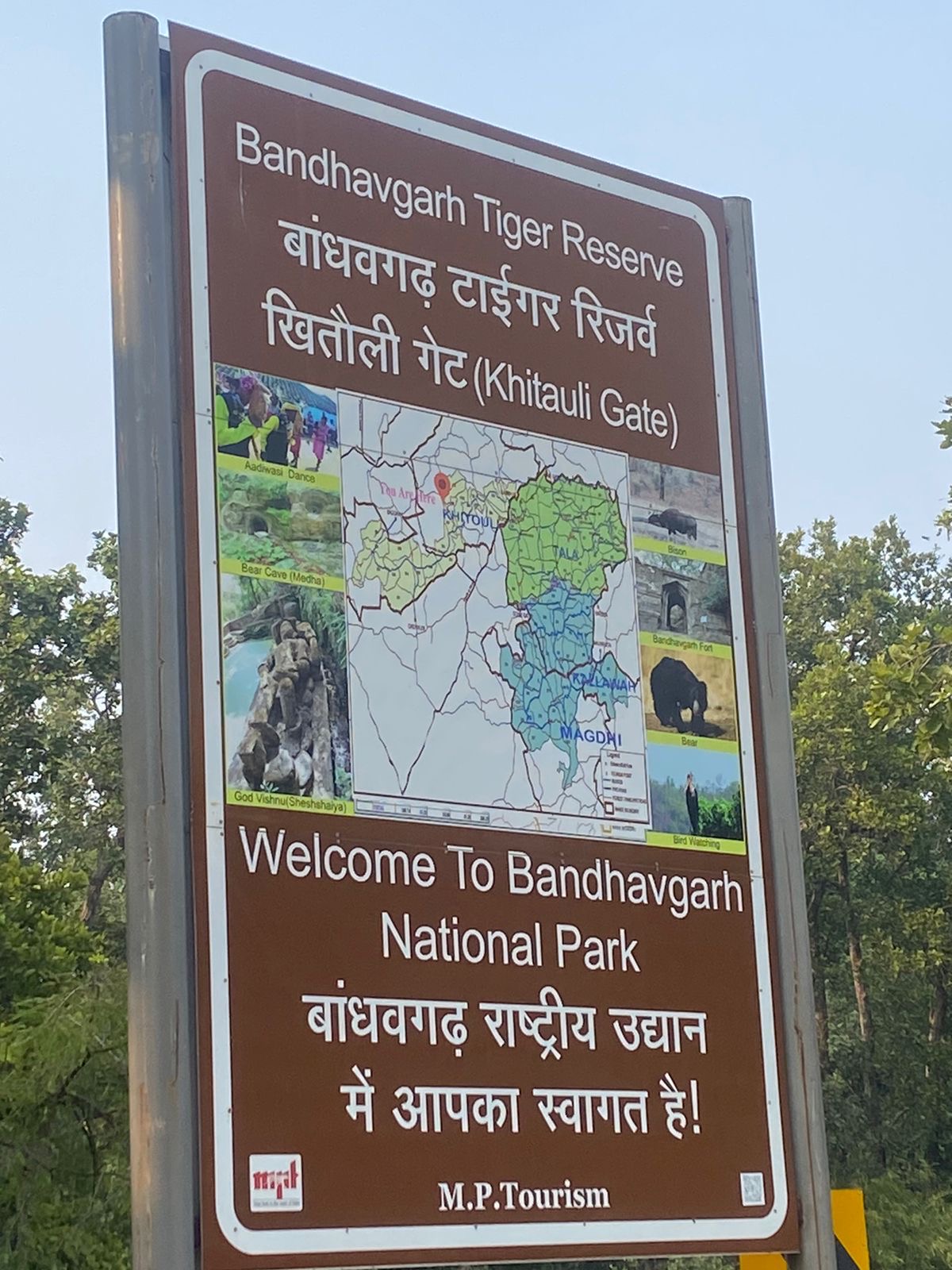
Primary scope of our visit to Madhya Pradesh was the visit to Bandhavgarh National Park (known also as Bandhavgarh Tiger Reserve) hoping to be able during our three Jeep Safaris to spot and photograph the tiger.
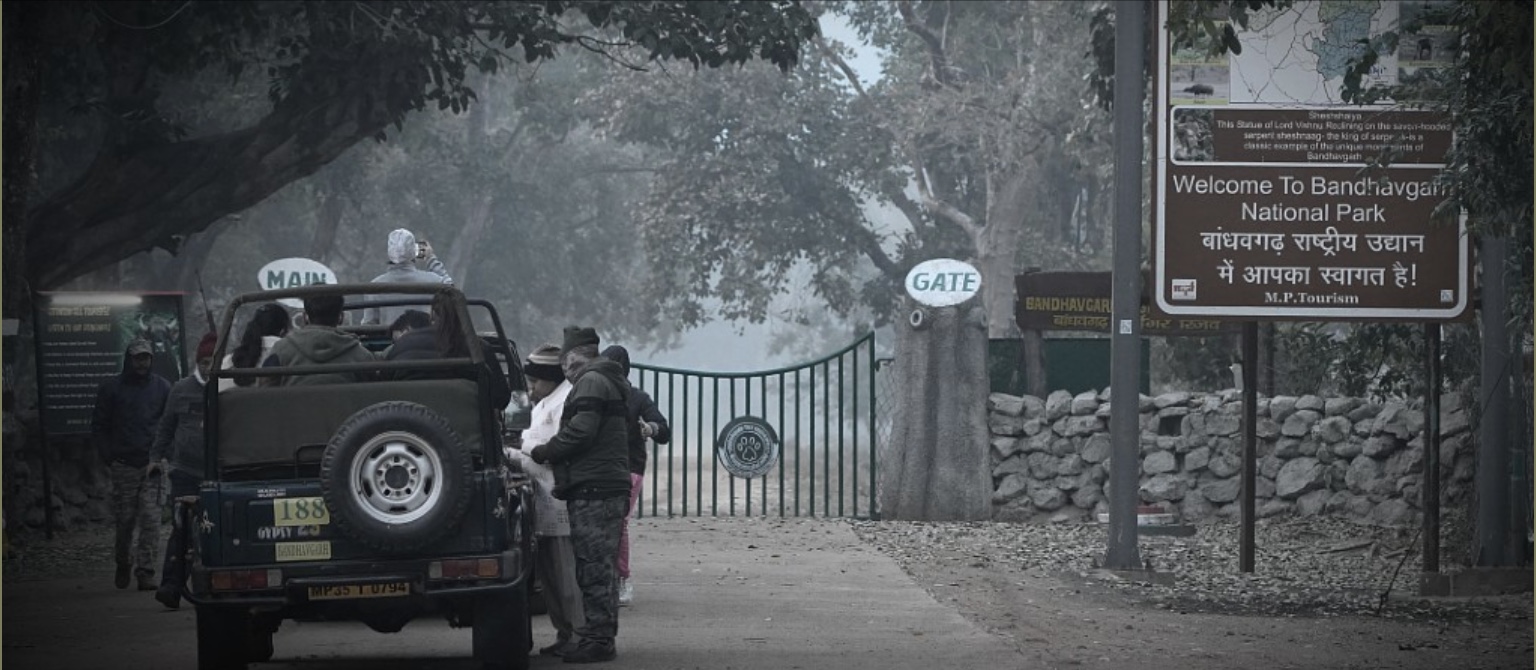
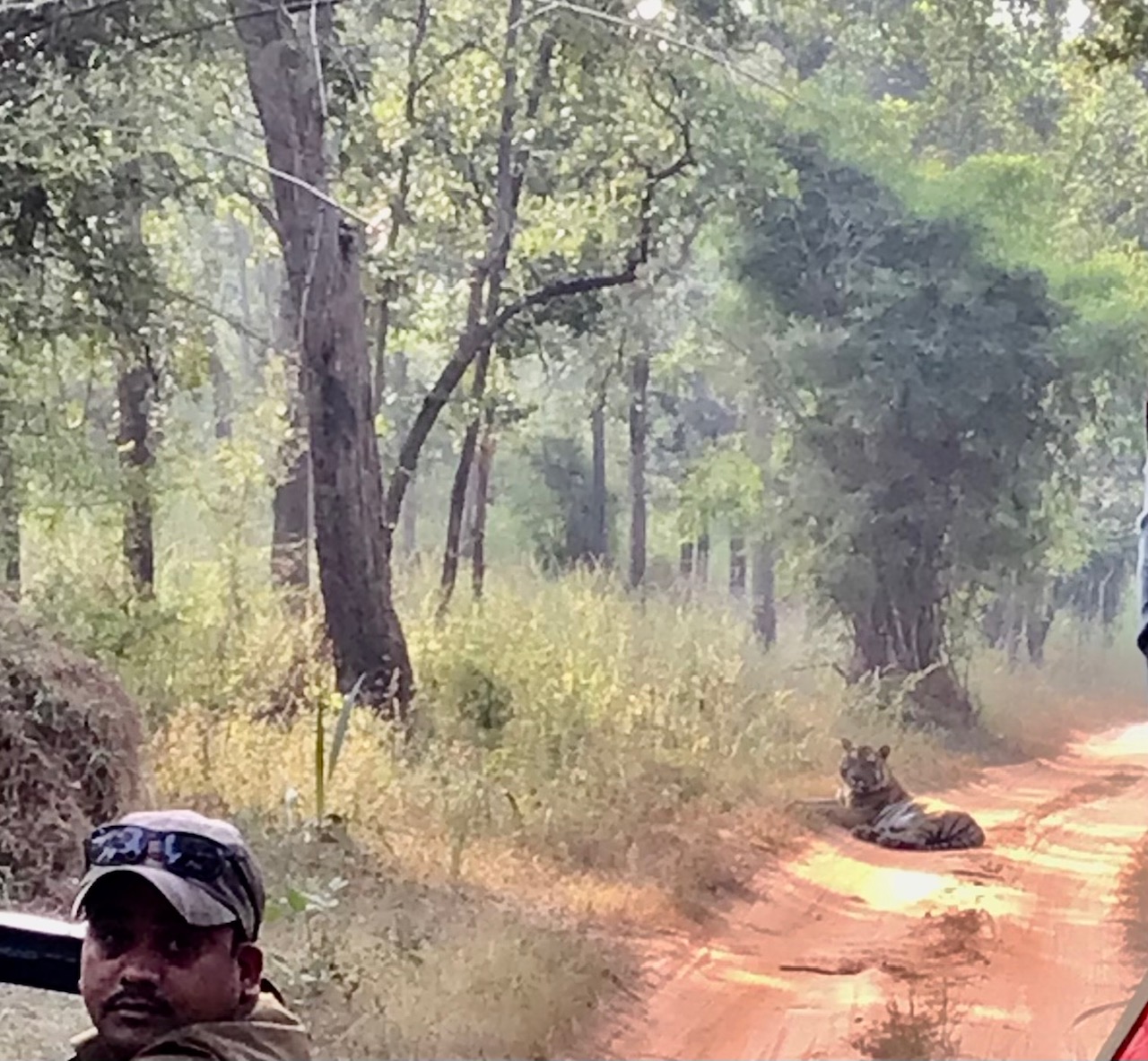
Cradled in the picturesque hills of Central India, the Tiger Reserve is one of the best places to see wild Royal Bengal tigers. The Reserve has the highest tiger density compared to any other India’s Reserves.
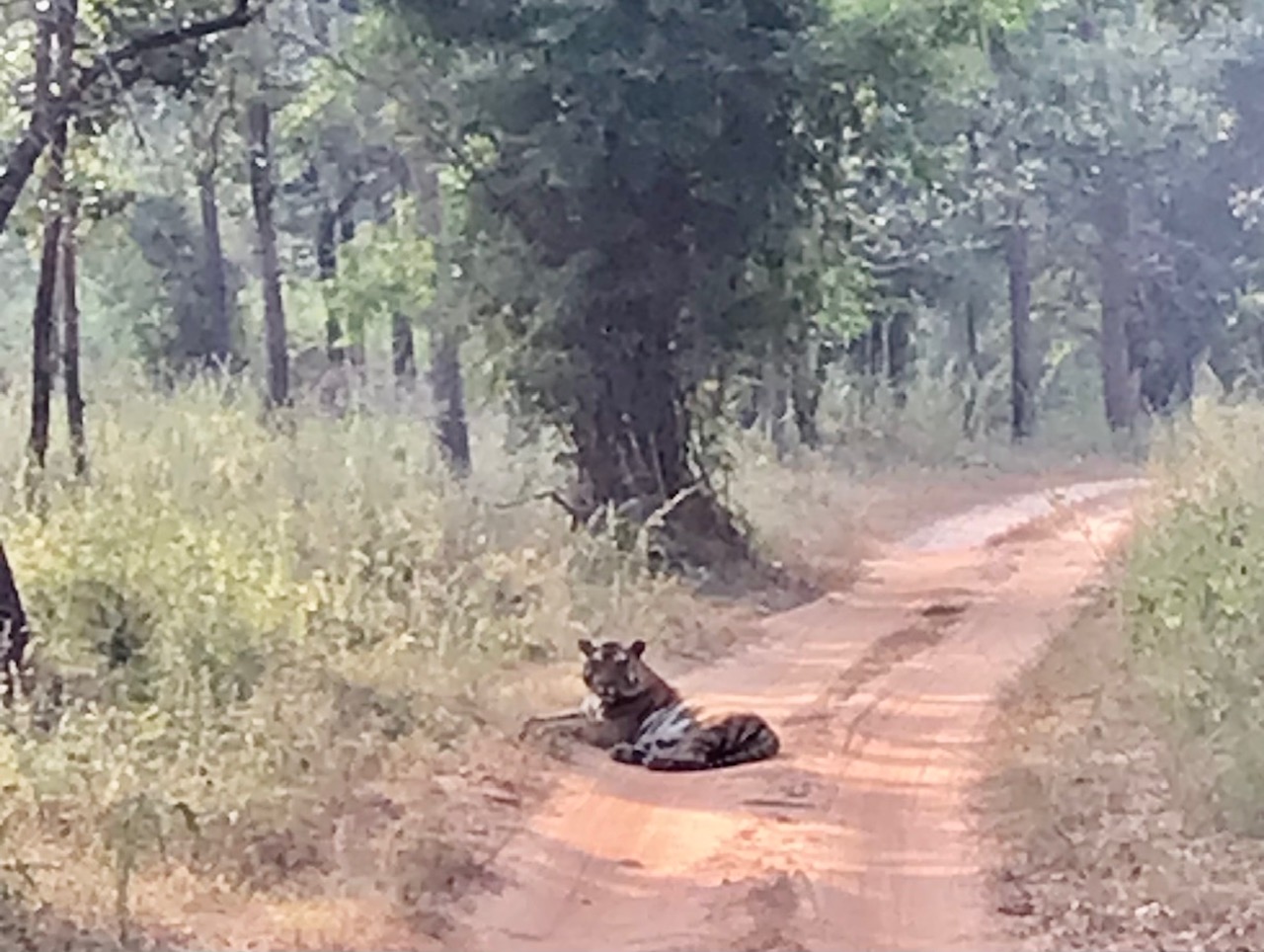
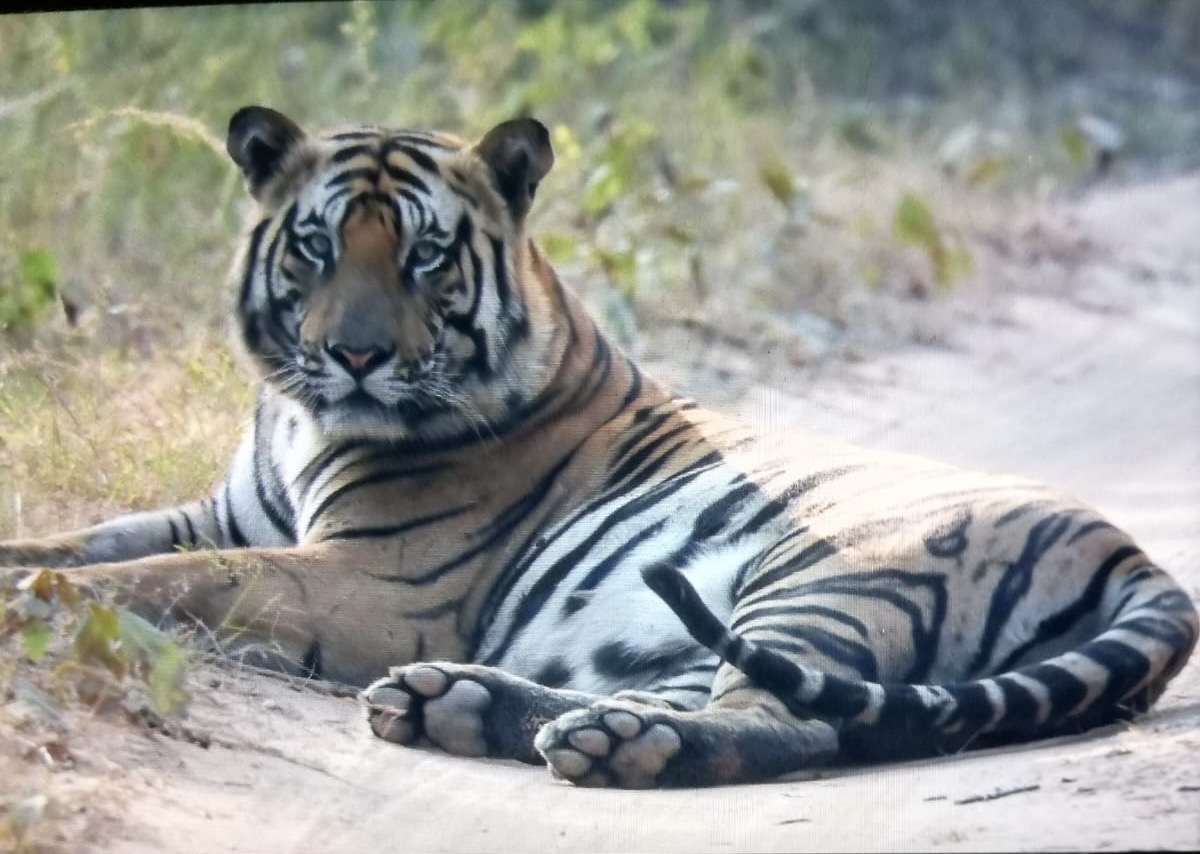
Coming closer to the Bengal tiger in its natural habitat is a magical moment, a real great experience to live and you will no doubt feel goosebumps!!!!
The Reserve is spread over 1100 sq. km. including the buffer zones. The altitude the park lies between 400 to 800 meters.
A part from the tiger population, the area is also rich in biodiversity with more than 30 species of mammals, 260 species of birds, 70 species of butterflies.
But Madhya Pradesh has, besides the Tiger Reserve Parks, other interesting places one must visit. One of them is KHAJURAHO !
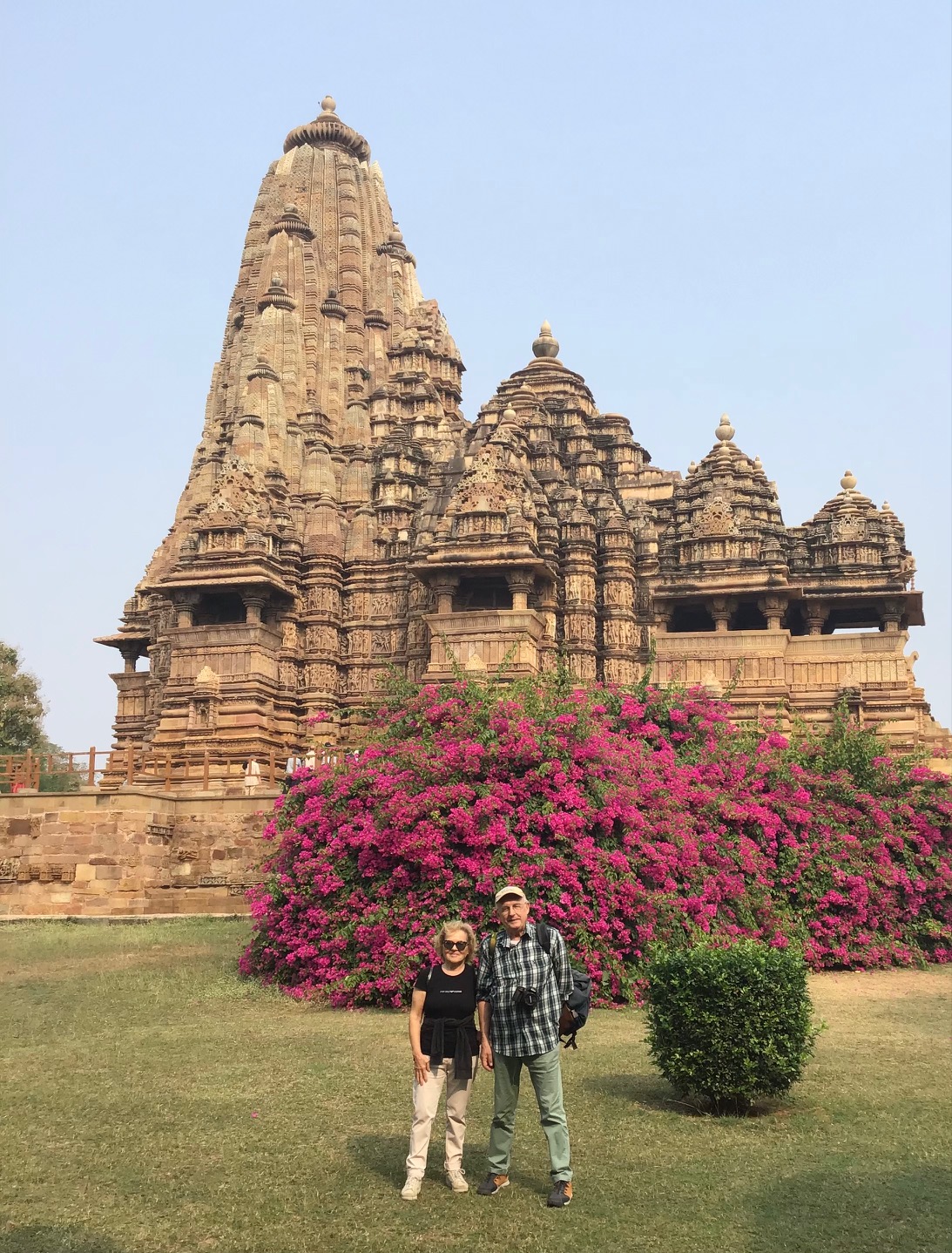
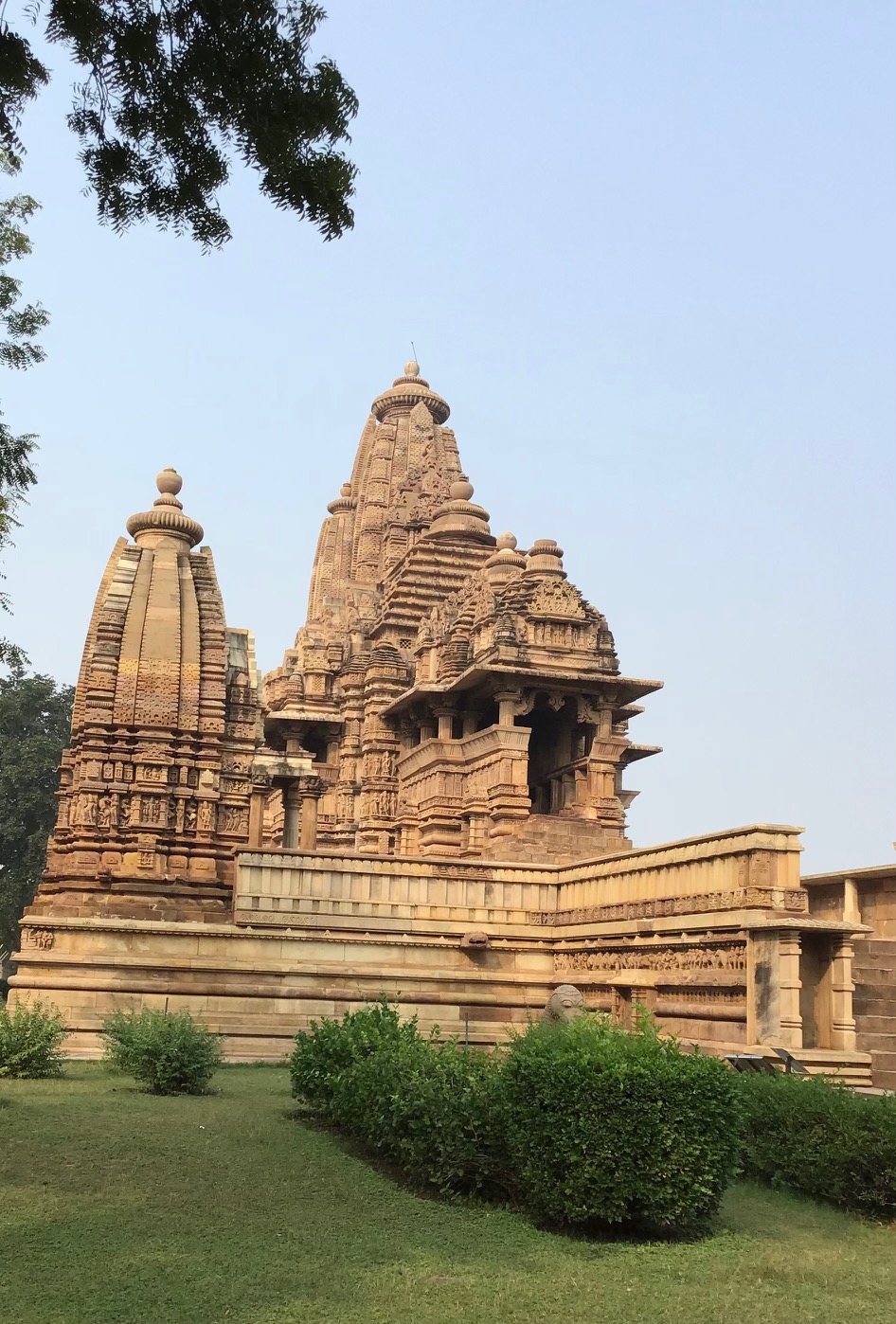
Khajuraho is home to various Hindu and Jain temples built during the Chandela dynasty in the 10th and 11th centuries. Of the 85 temples constructed during that period, 22 still exist within an area of about 6sq km2. All temples were rediscovered in the 1850’s after being neglected for centuries.
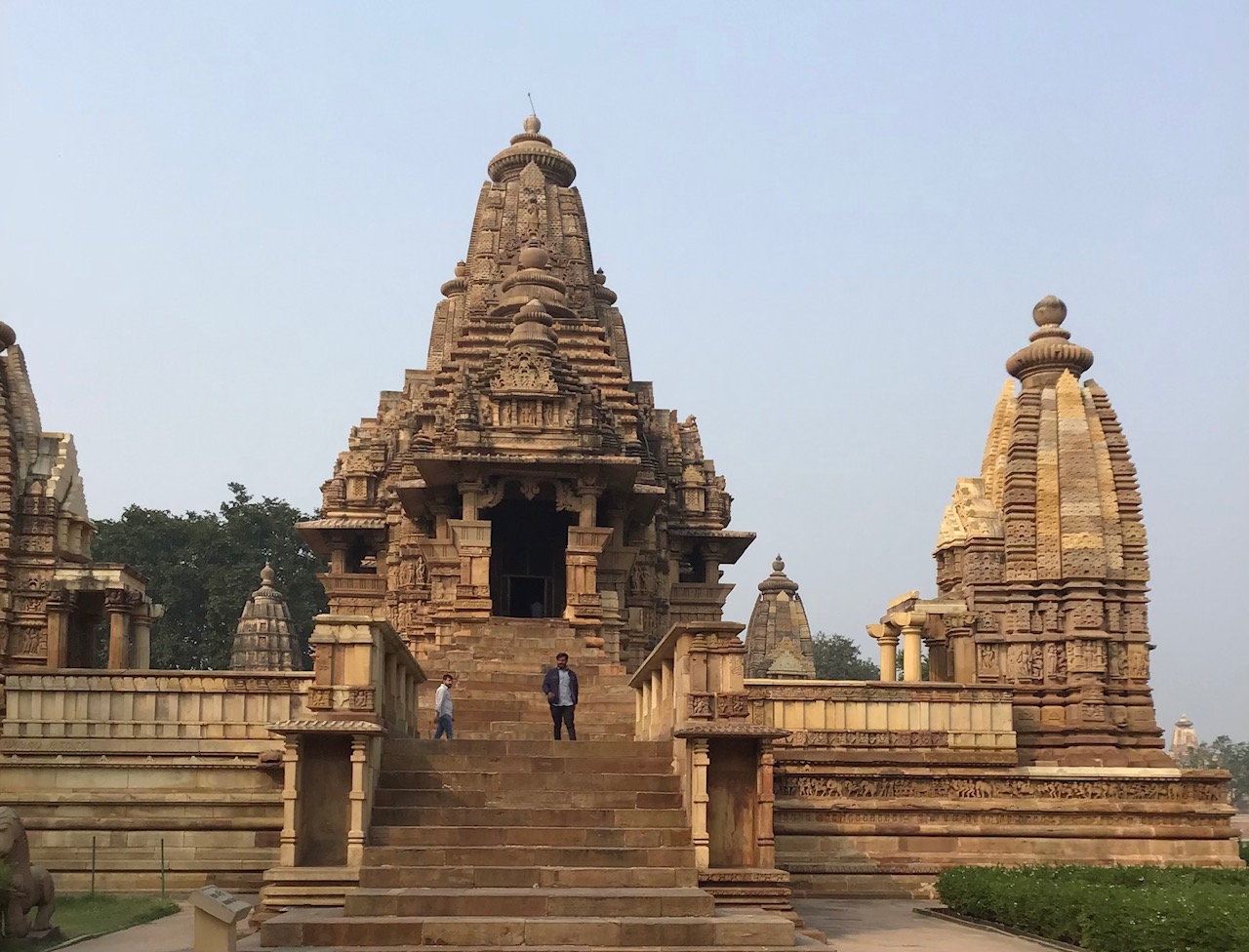
The splendor of the intricate statues is one of the reasons that makes it a popular and much appreciated site to visit.
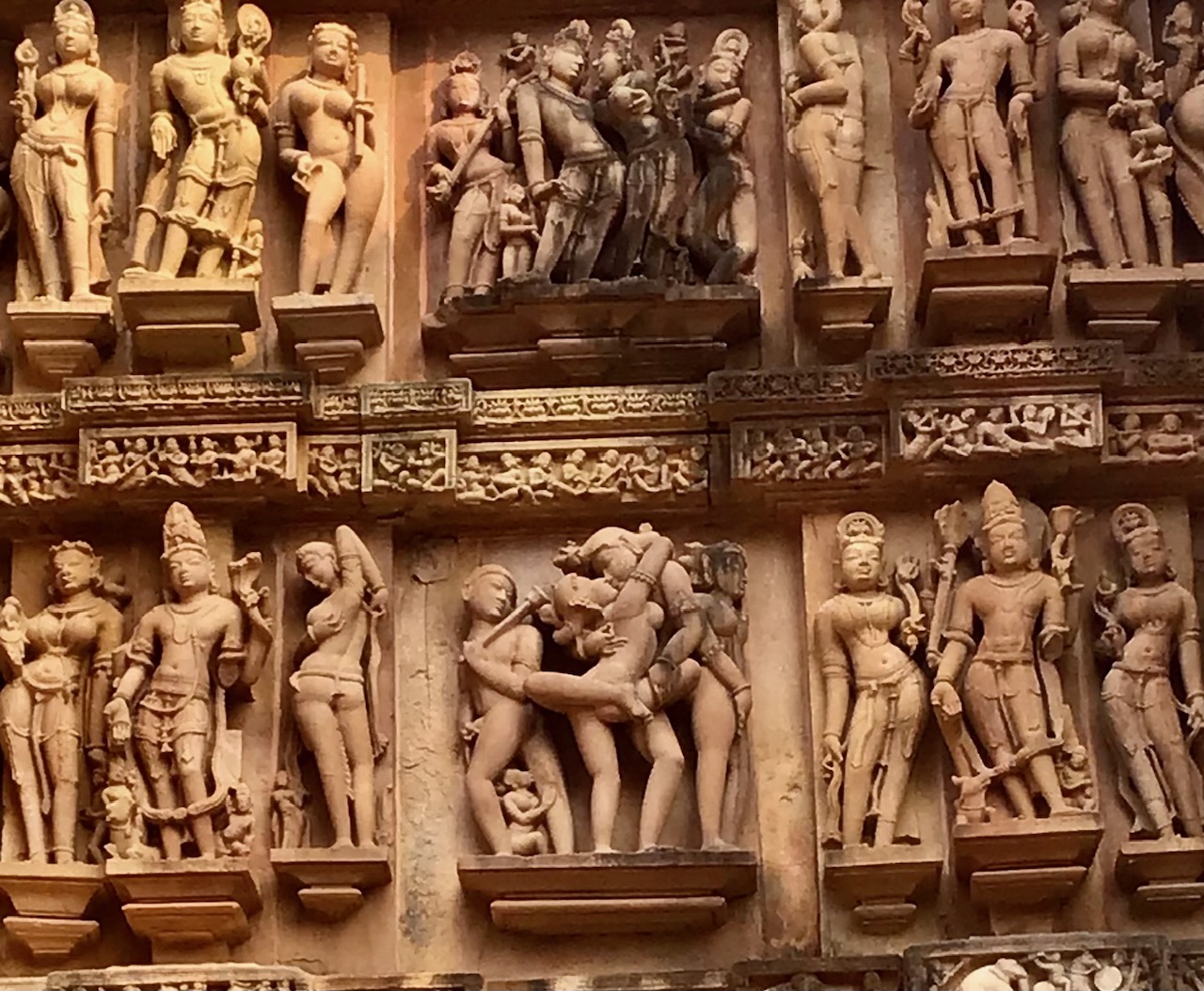
The temples of Khajuraho are magnificent examples of the Nagara style of temples. The carvings seem to be predominantly about Hindu deities and mythology. Architectural style also follows Hindu traditions. The carvings reflect the four goals (Purusartha) of life in Hinduism: Dharma (righteousness), Kama (love, desire), Artha (wealth), Moksha (liberation).
Erotic images are also very common in the temple. These sculptures are believed to reflect the idea of female beauty and fertility.
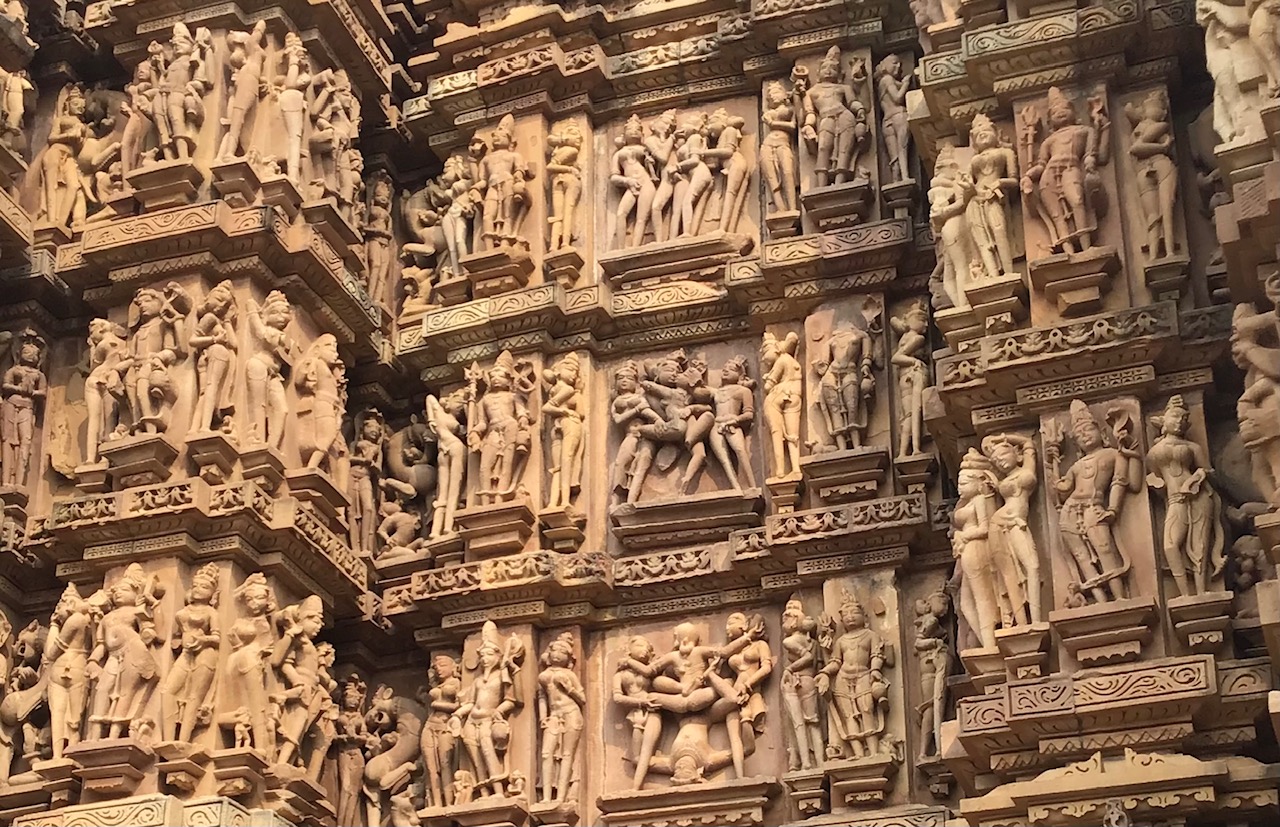
The Khajuraho group of Monuments has been listed as a UNESCO World Heritage Site since 1986 and is considered one of the “seven wonders” of India.
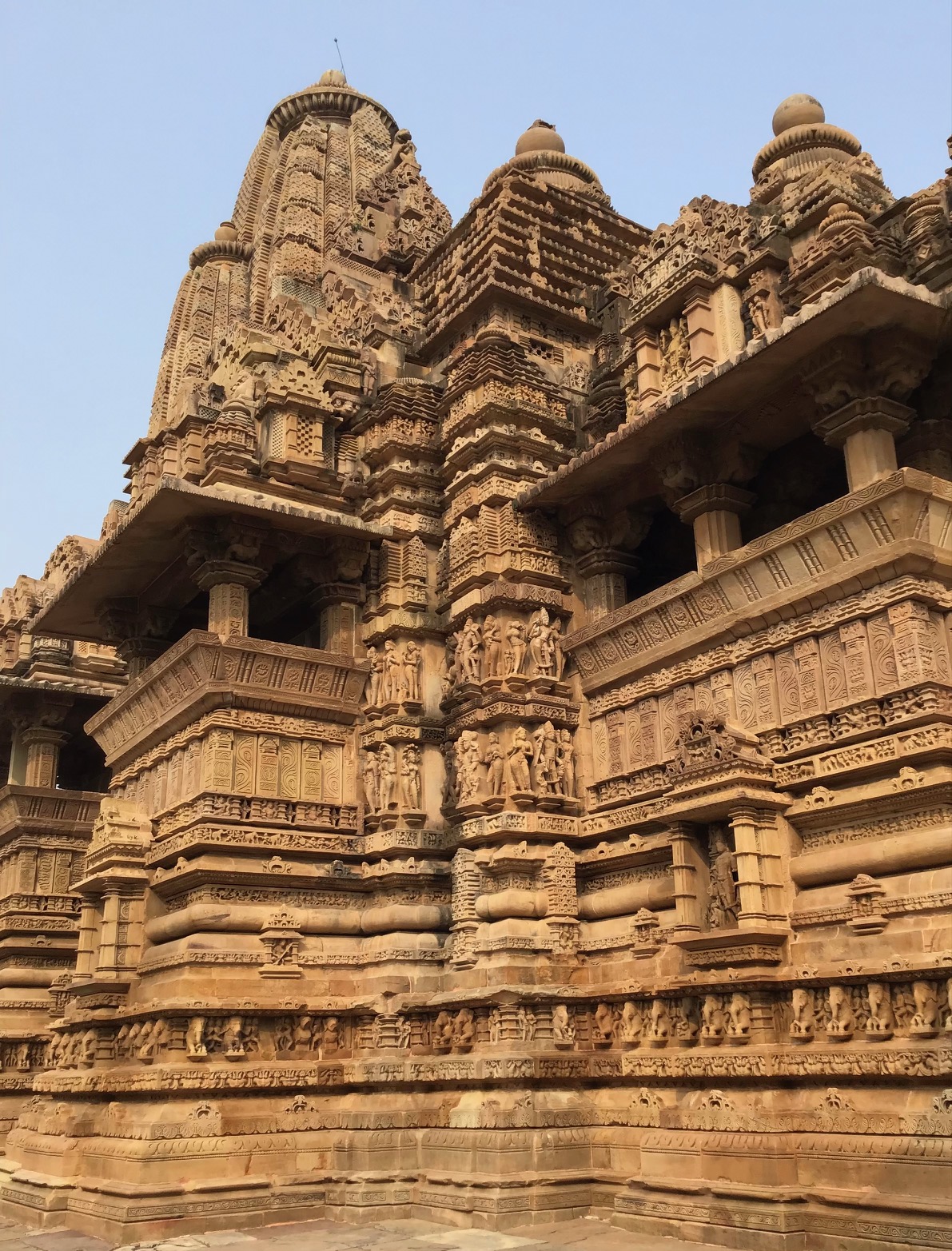
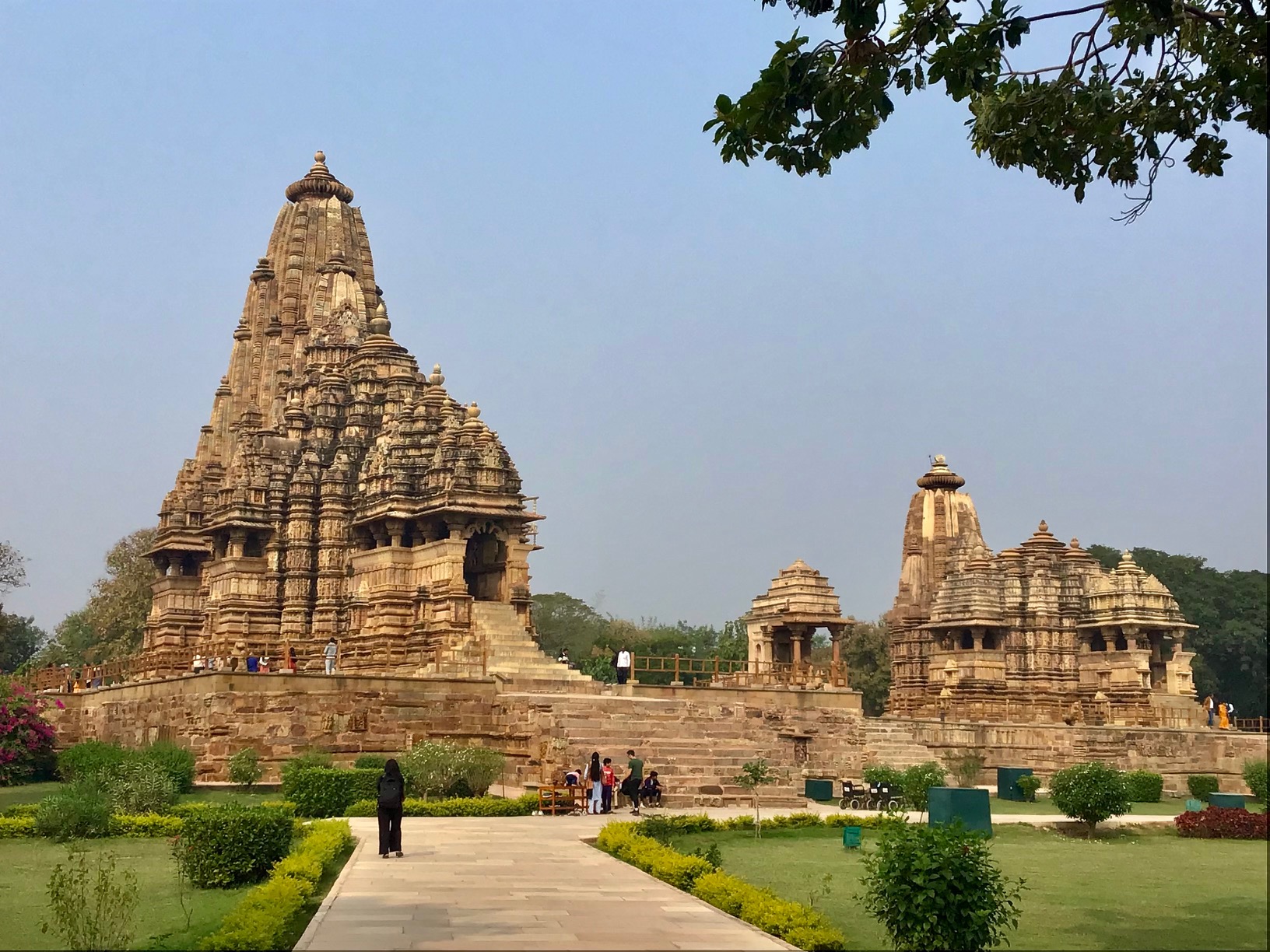
But also GWALIOR and ORCHAA need special attention
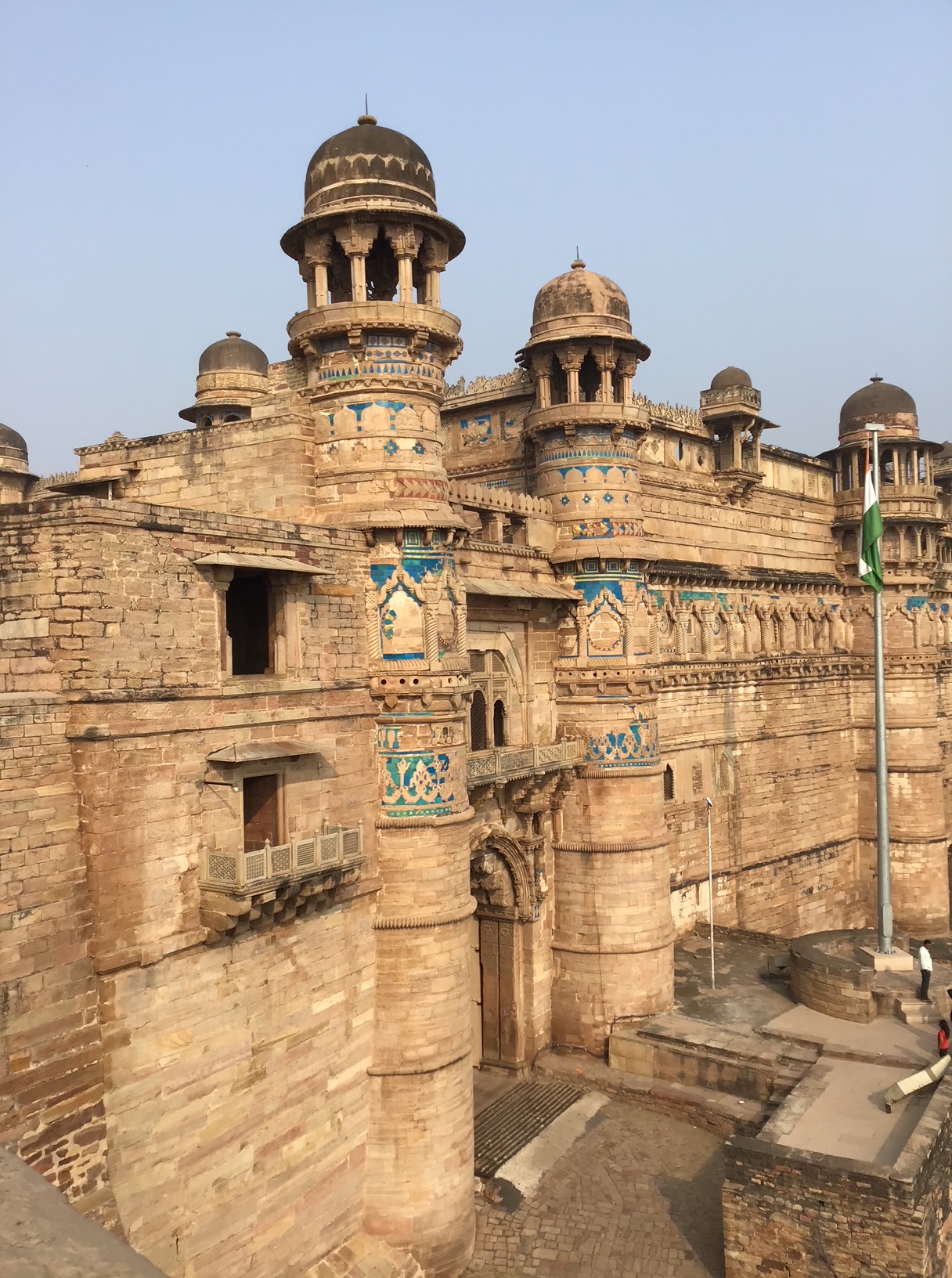
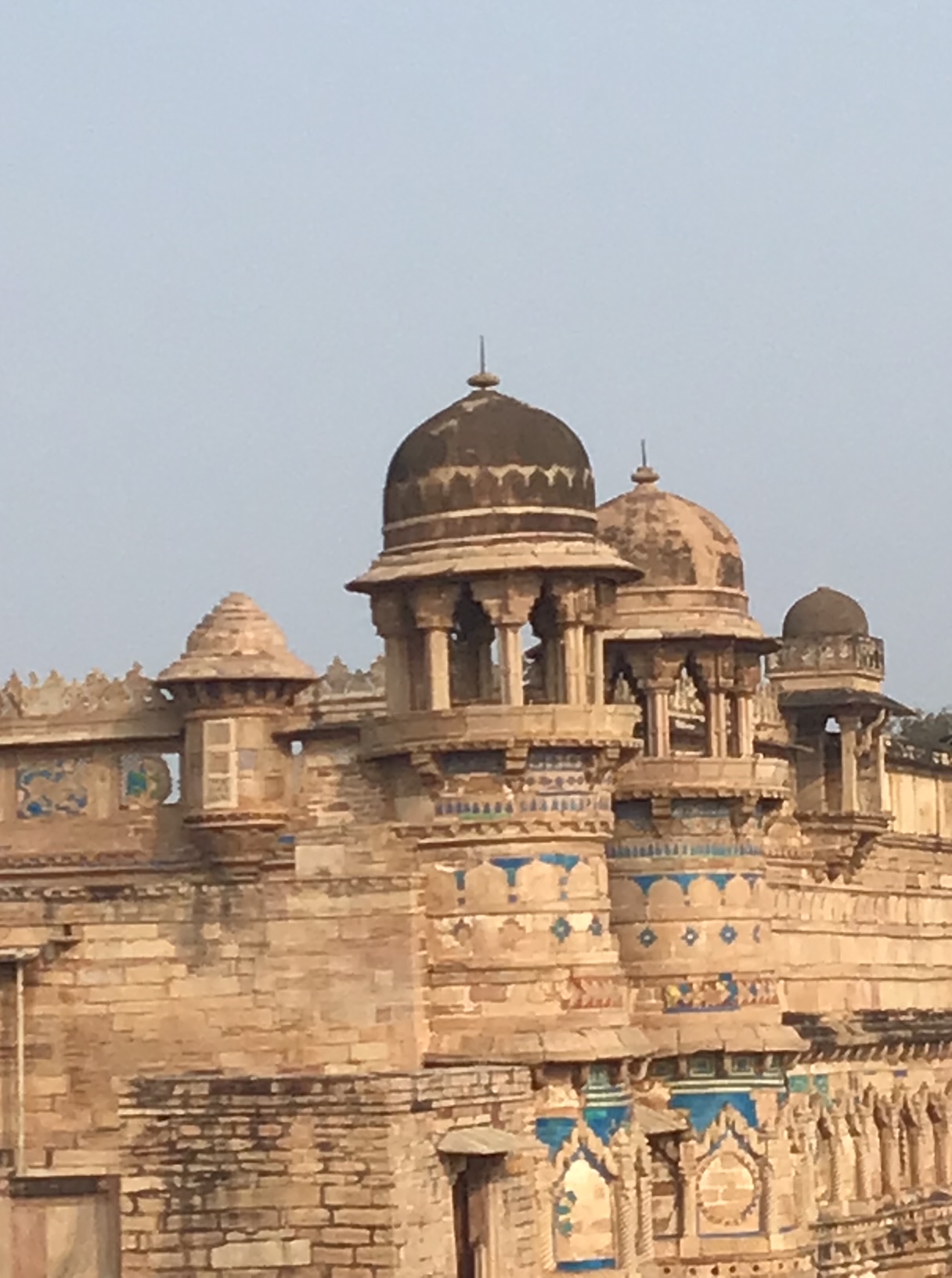
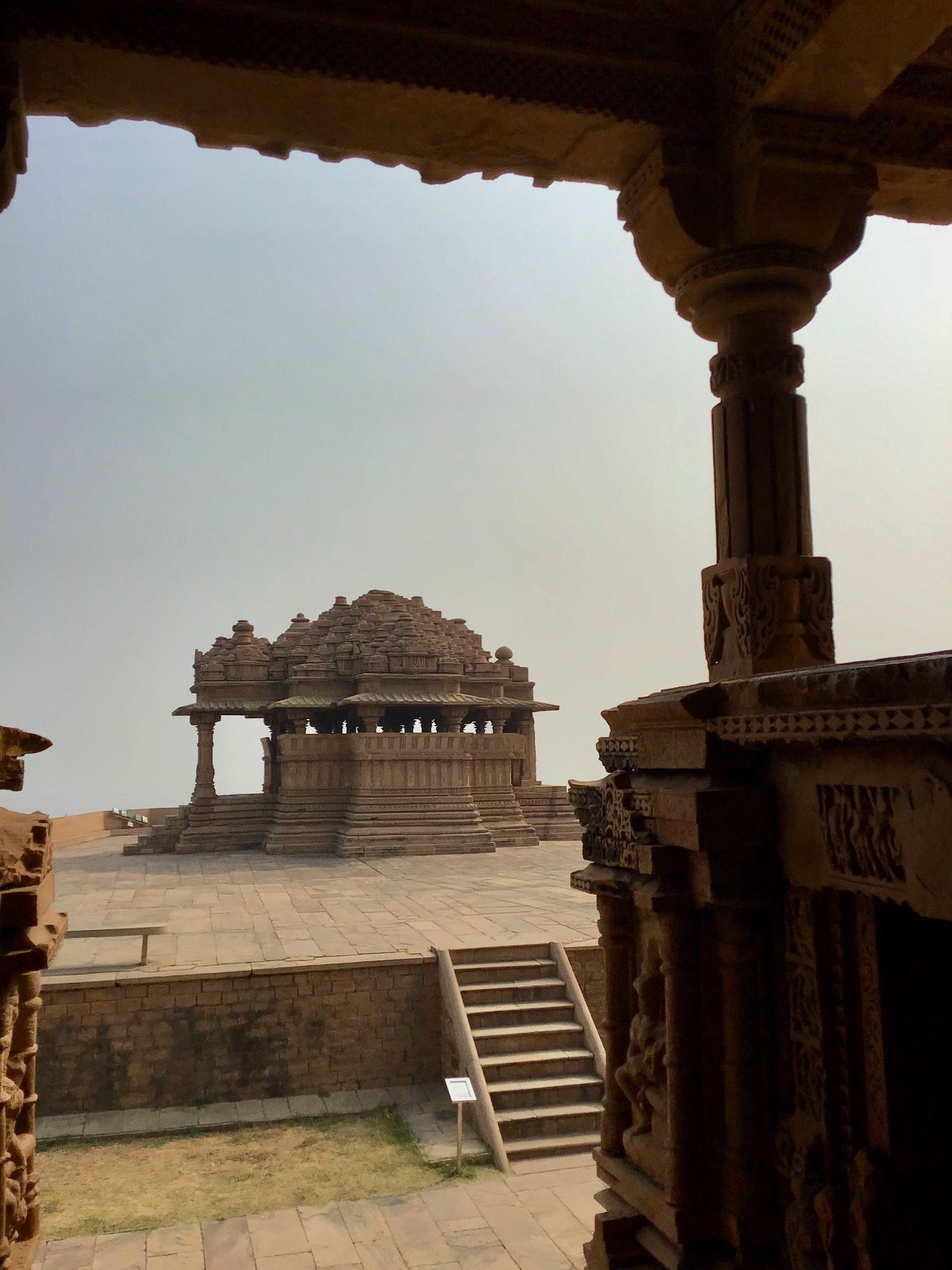
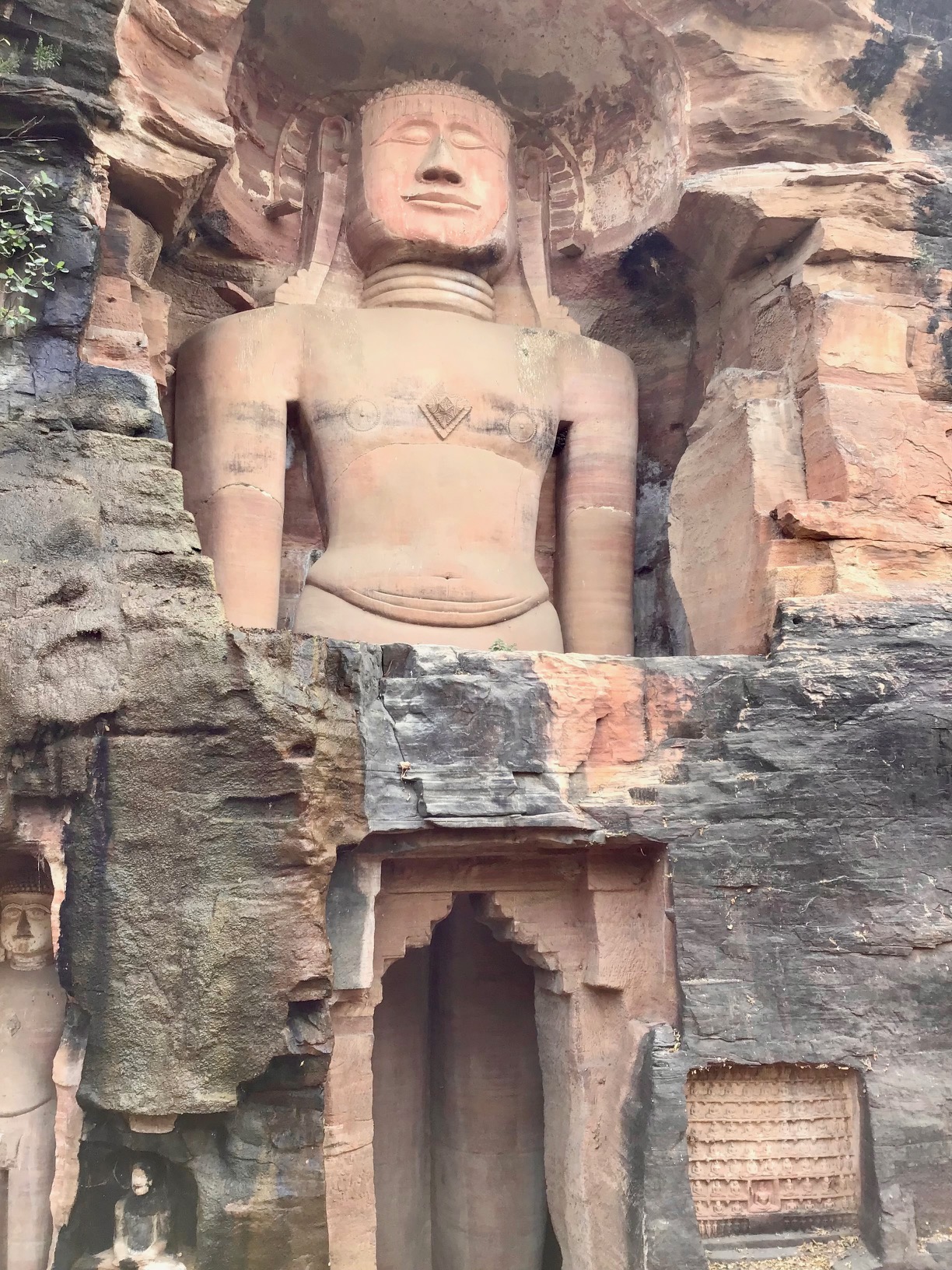
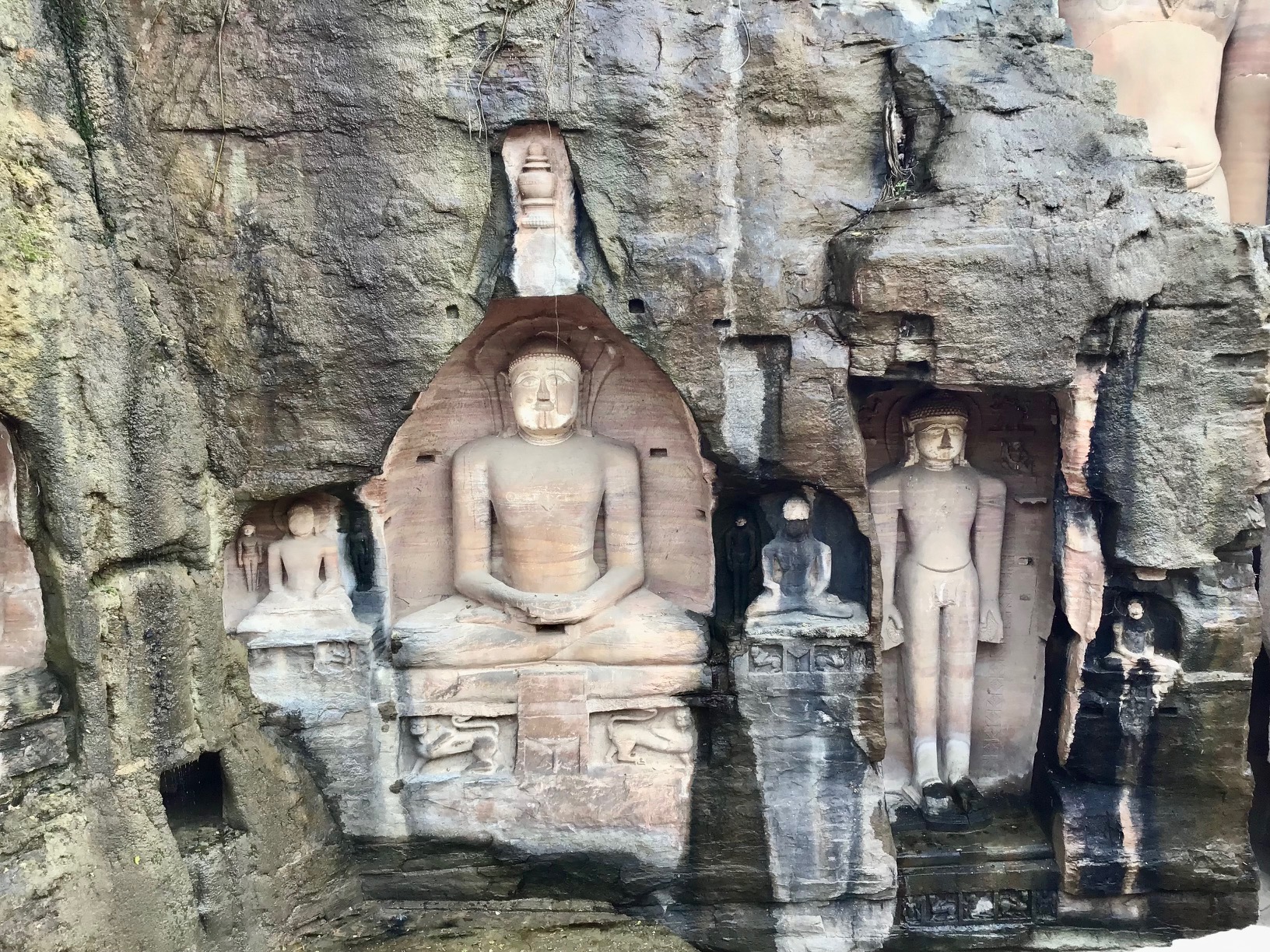
Gwalior, celebrated as the “City of Temples” is famous for its palaces and religious sites. It is rich in architectural marvels. The Fort, situated 100 m. above from the town is the main attraction. Standing on a steep mass of sandstone, the Fort dominates the city and is its most significant monument. A steep road winds upwards the Fort, flanked by statues of the Jainism religion.
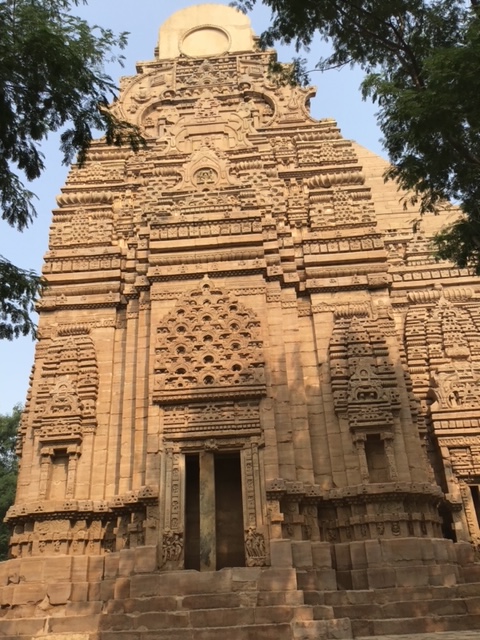
Around the walls of Gwalior Fort, Jain temples create unique monuments groups. The Gopachal rock-cut Jain monuments, called Gopachal Parvat Jain monuments are a group of rock-cut carvings dated back between the 7th and 15th centuries during the Tamar dynasty. The caves where the carvings are created, vary in dimension, some ave very small but others are very deep. On the walls you can see different representations of Jain followers such as deities or the Tirthamkars, the Jainist prophets succeeded during the hystorical cycles to reveal Jainism to the mankind. Many of the statues however were defaced and destroyed under the orders of the Muslim Emperor Babur of the Mogul Dynasty in the 16th century.
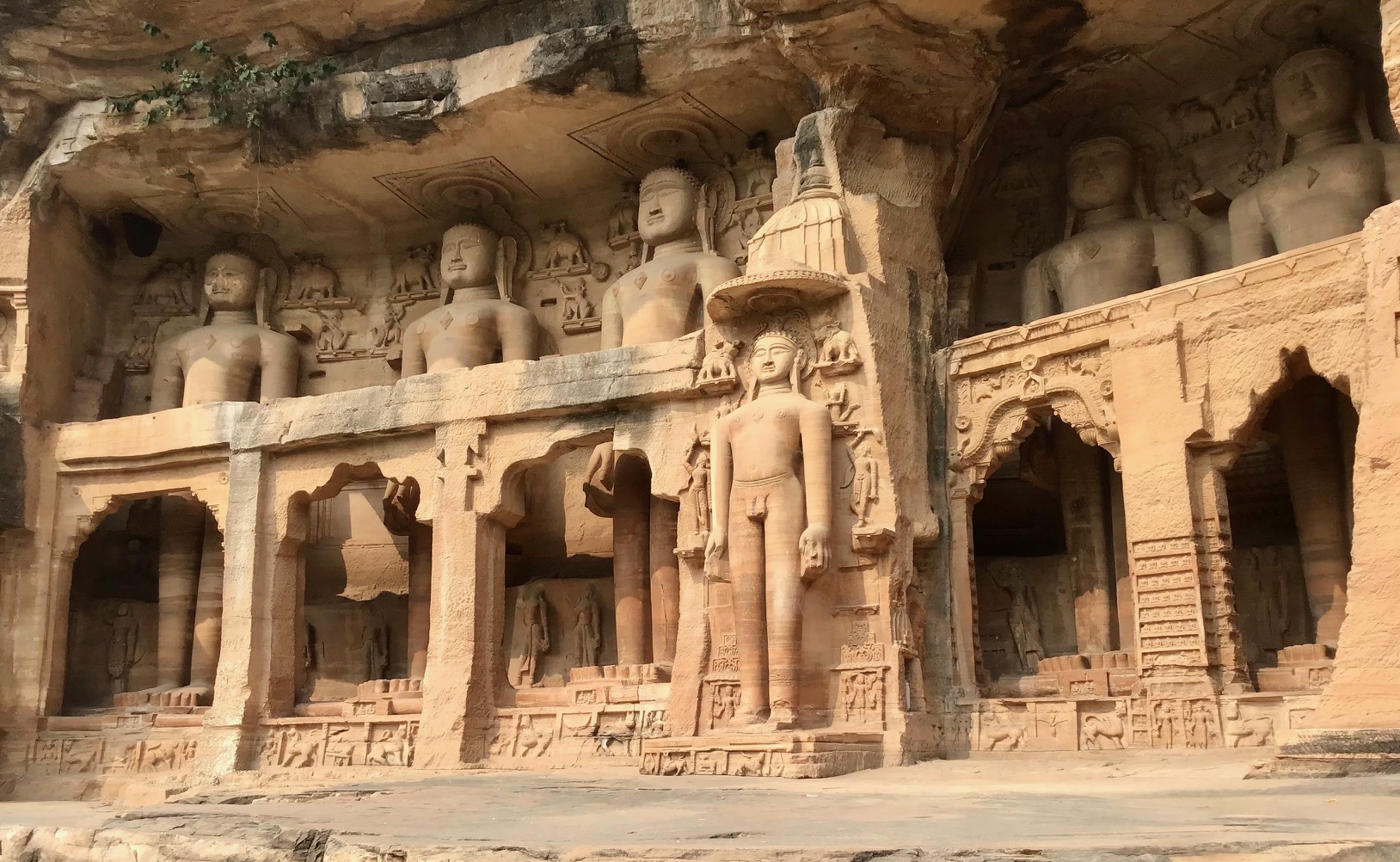

ORCHAA: Where the whispers of medieval history can be heard!
Orchaa literally means “hidden place”. Founded in the 16th century by Bundela Rajput chief, Orchaa is an historical town on the banks of the Betwa river. It’s known as the city of palaces because of the many forts and temples.

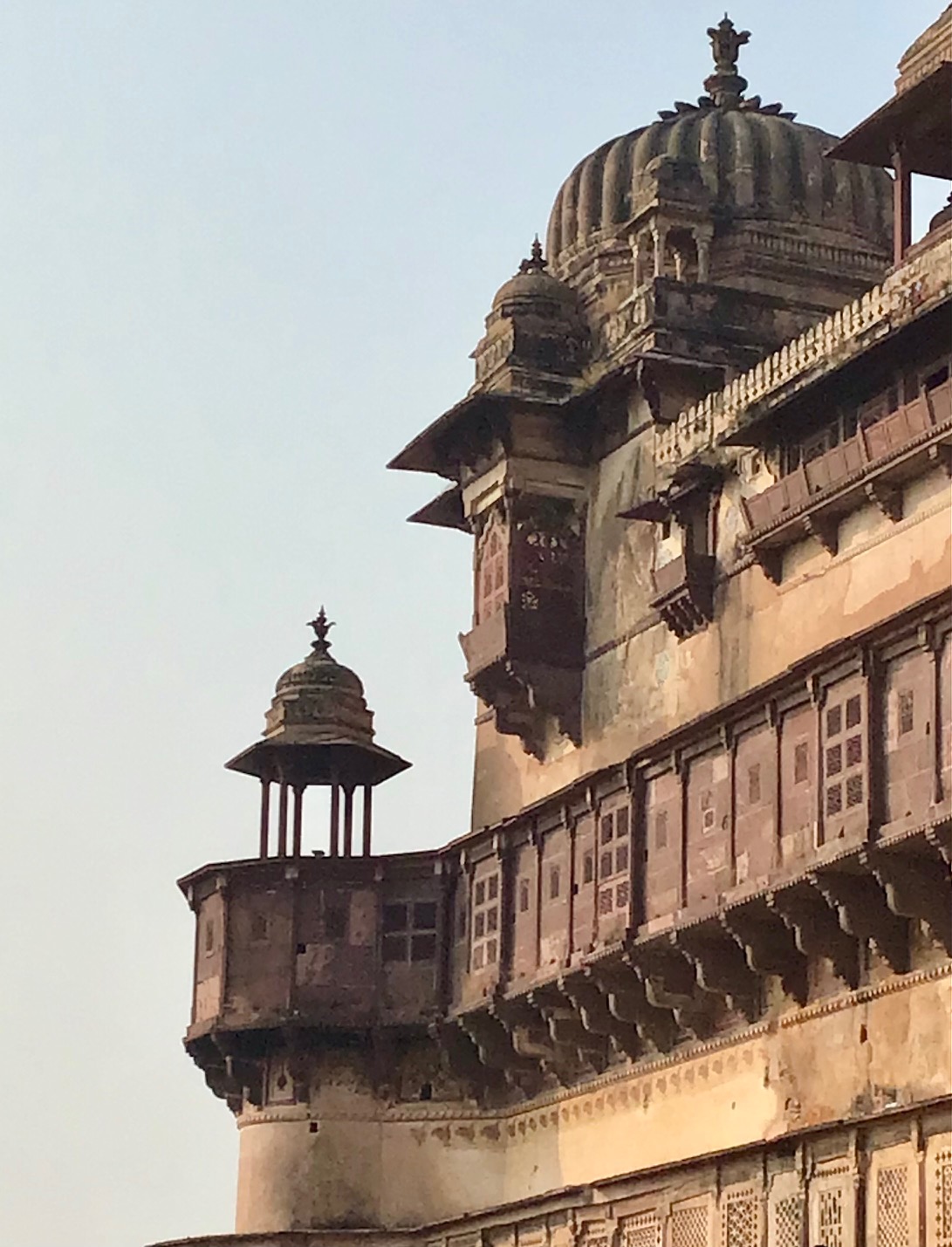
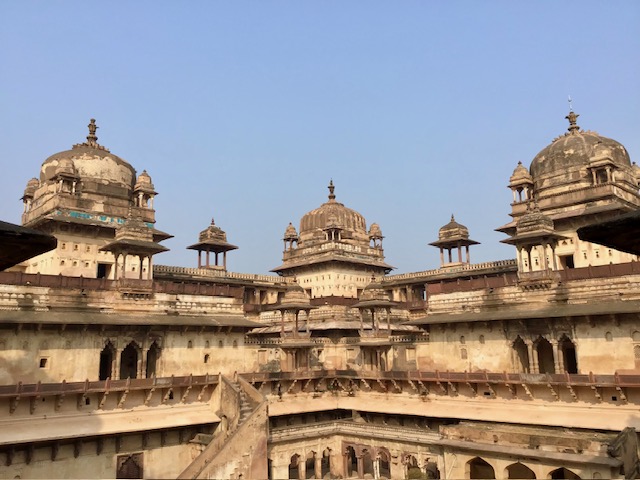

Orchaa has also 14 cenotaphs situated by the river, that serve as memorial to Orchaa Bundela rulers.
SANCHI is a famous world heritage site that is known for housing the stupas that contain leftovers pf Buddha. The great Stupa in Sanchi was specially made by Emperor Ashoka.
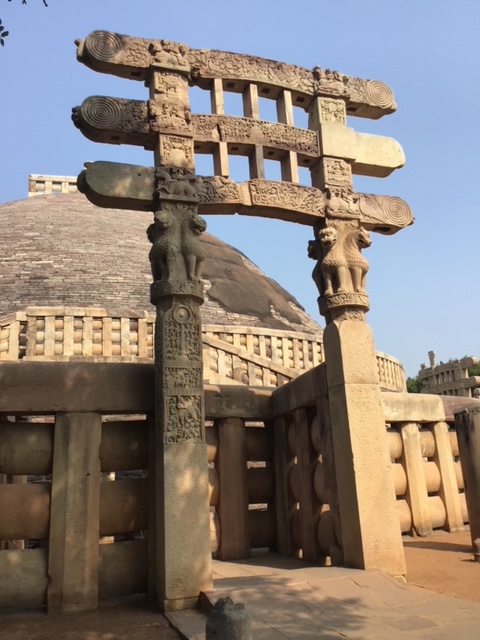
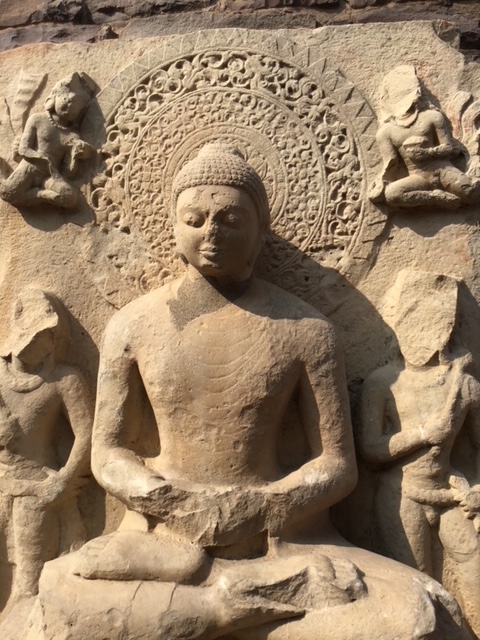
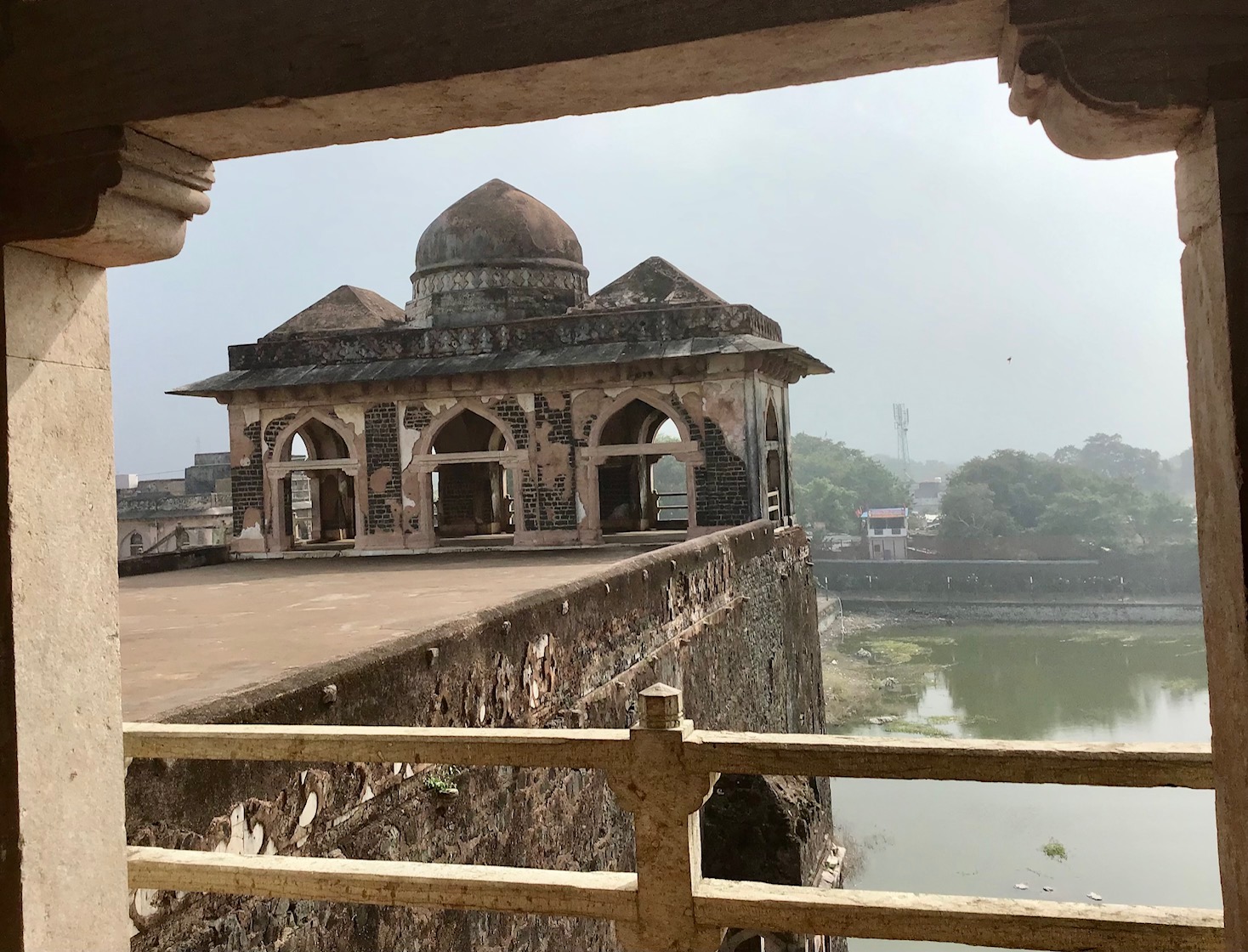
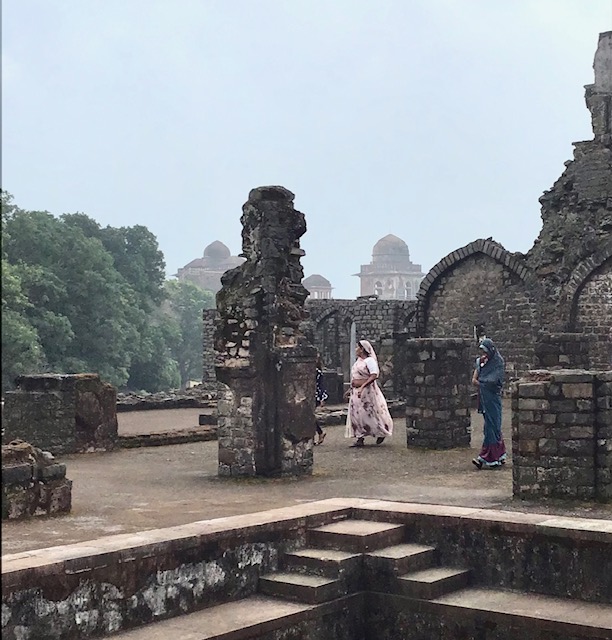
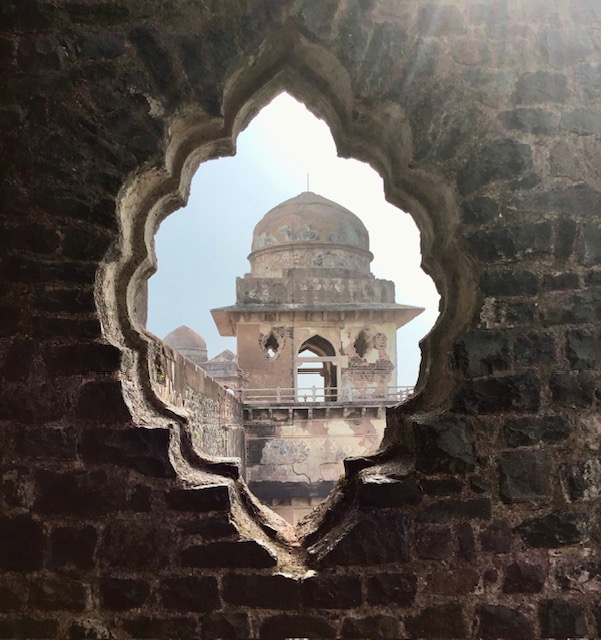
MANDU in an ancient city, now called Mandav, located in the Dar district. This fortress town on a rocky outcrop, about 100 km far from Indore, is famous and celebrated for its architecture. Due to its strategic position and natural defenses, it was an important military outpost and its military past can be seen by the circuit of battlemented wall of about 37 km with 12 gateways.
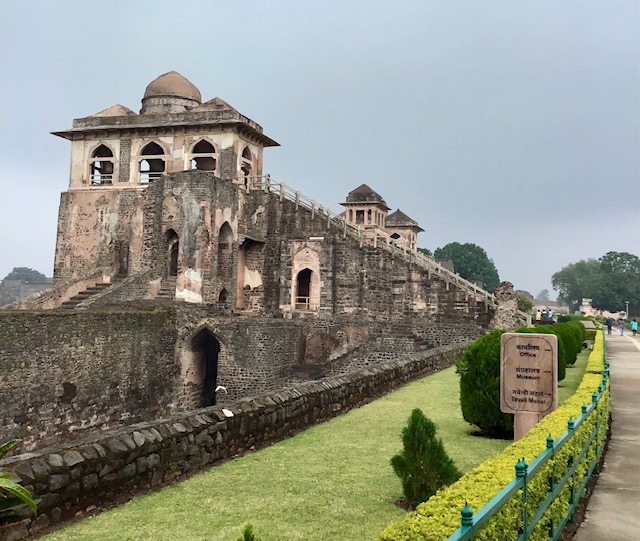
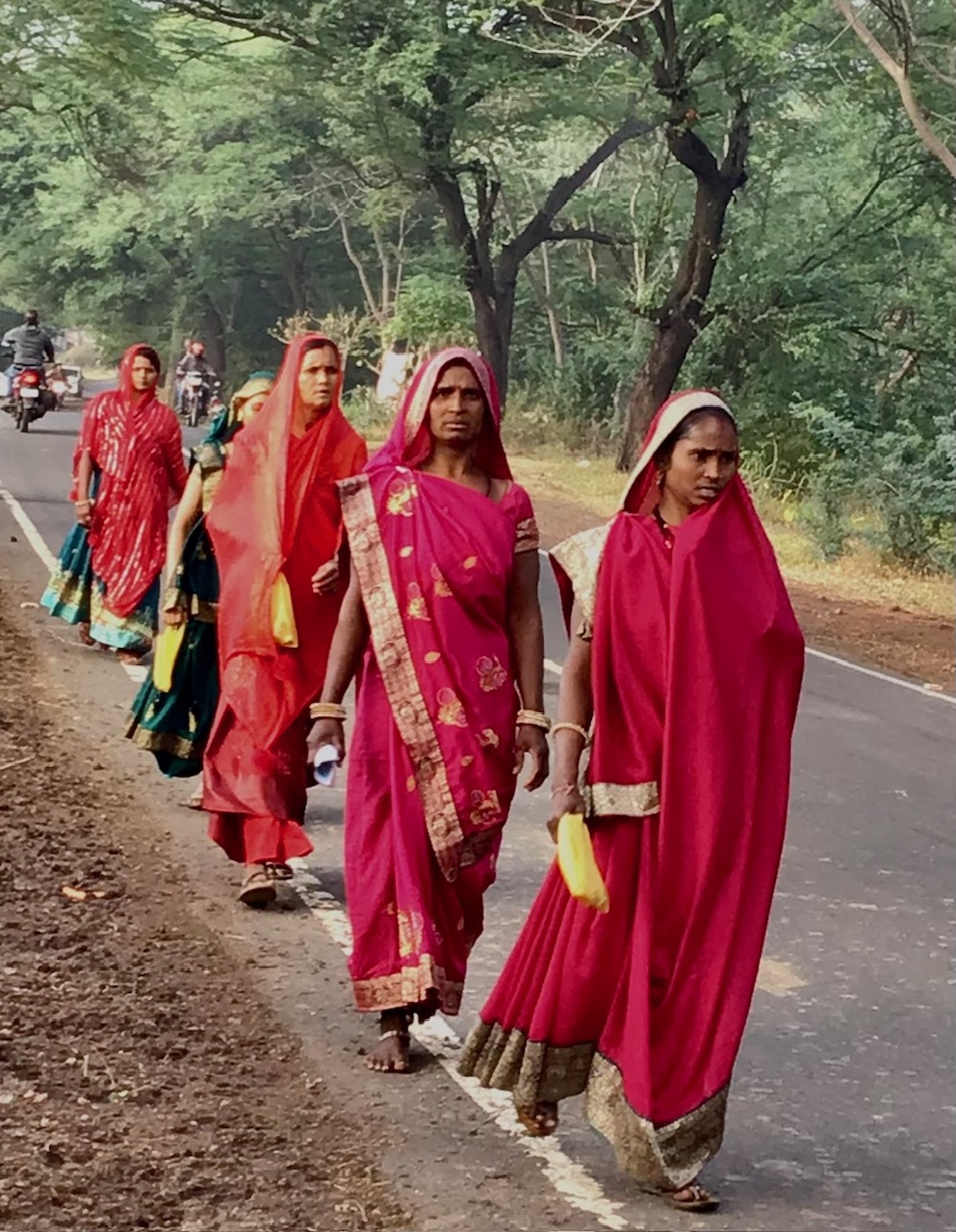
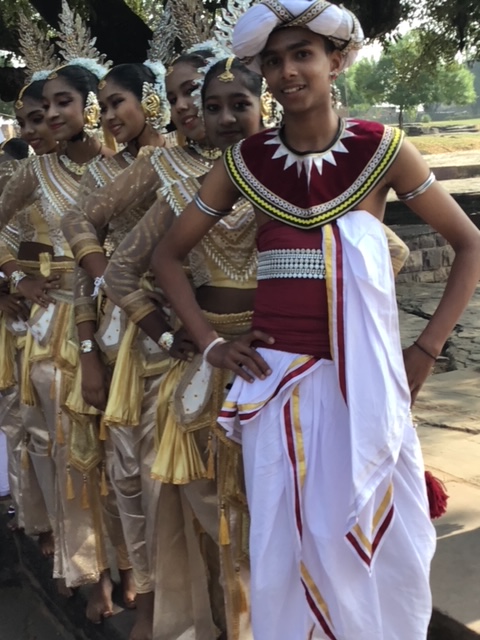
It has been an interesting trip in a State of India, Madhya Pradesh, new to us. As for the past trips in India we could once again appreciate the beauty of temples and monuments but above all the kindness and hospitality of Indian people.
NAMASTE’
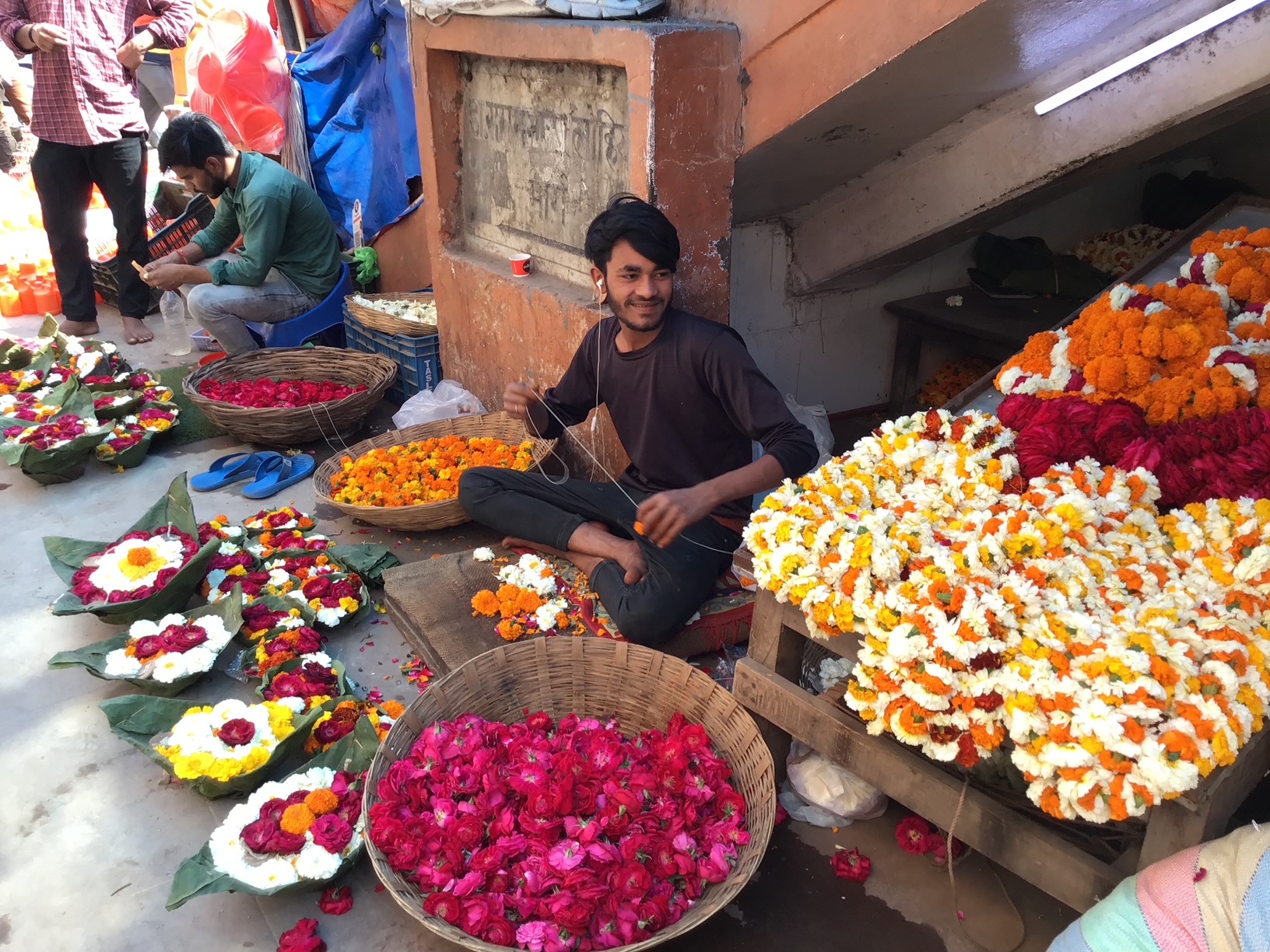
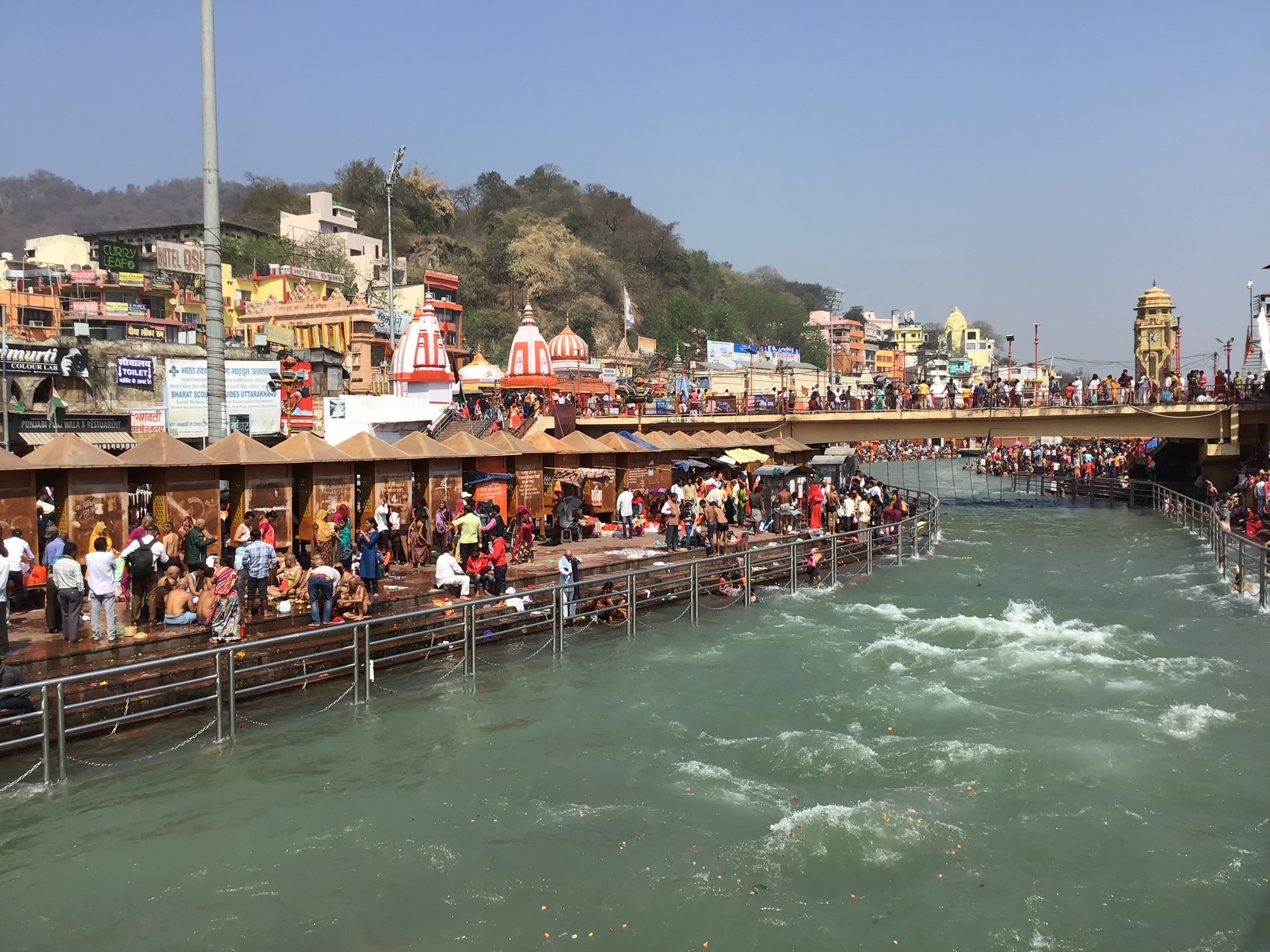
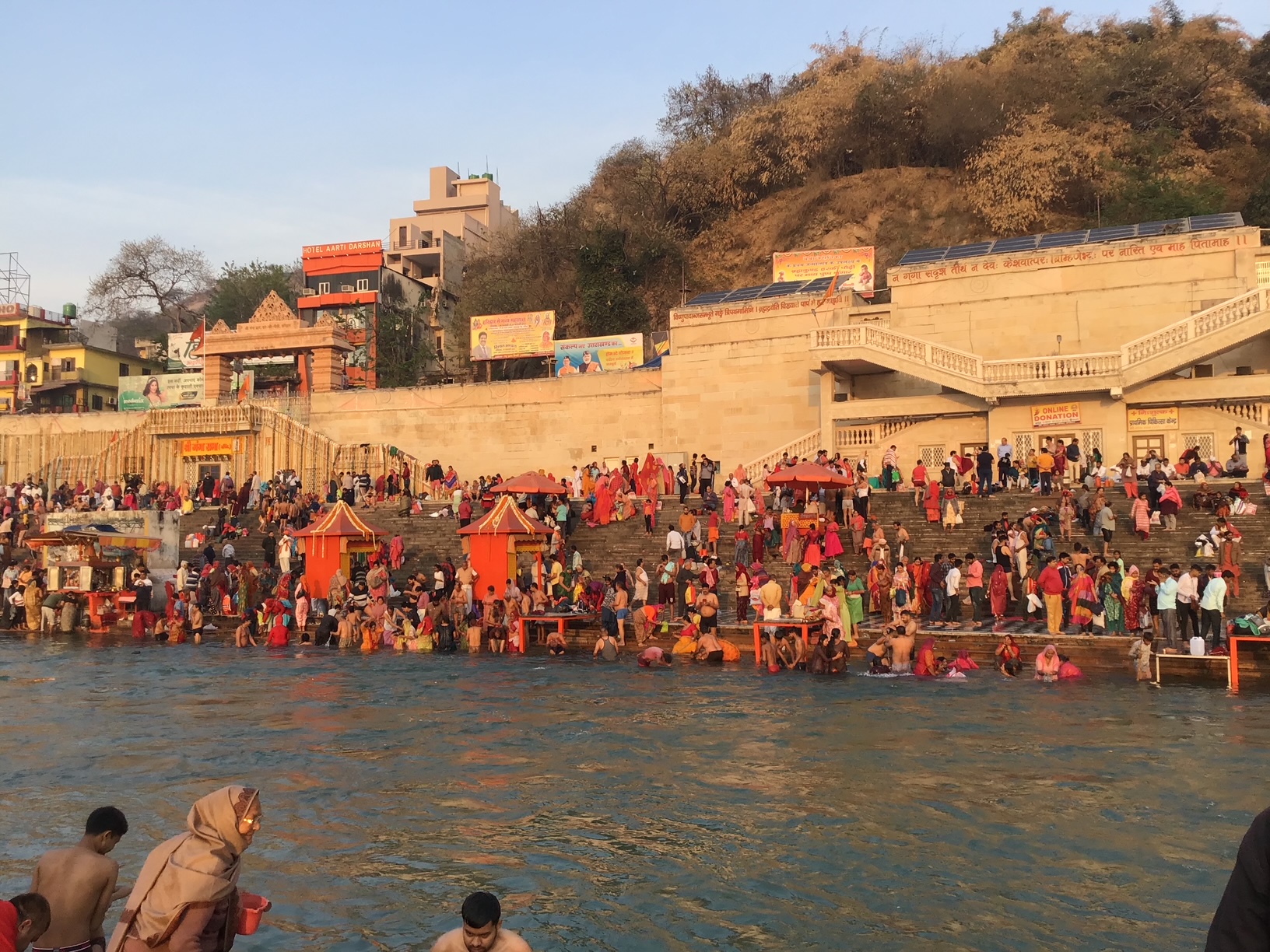
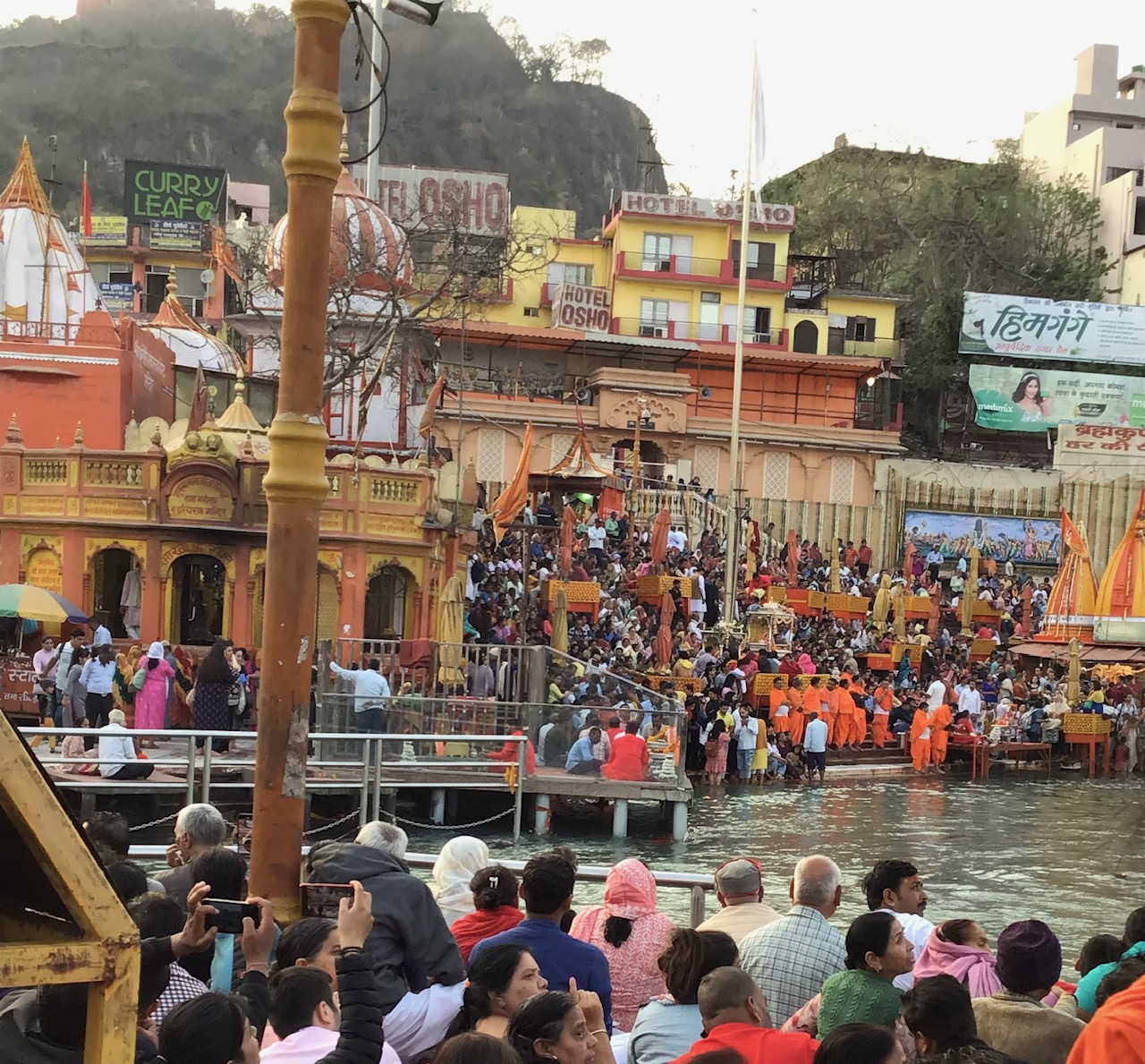
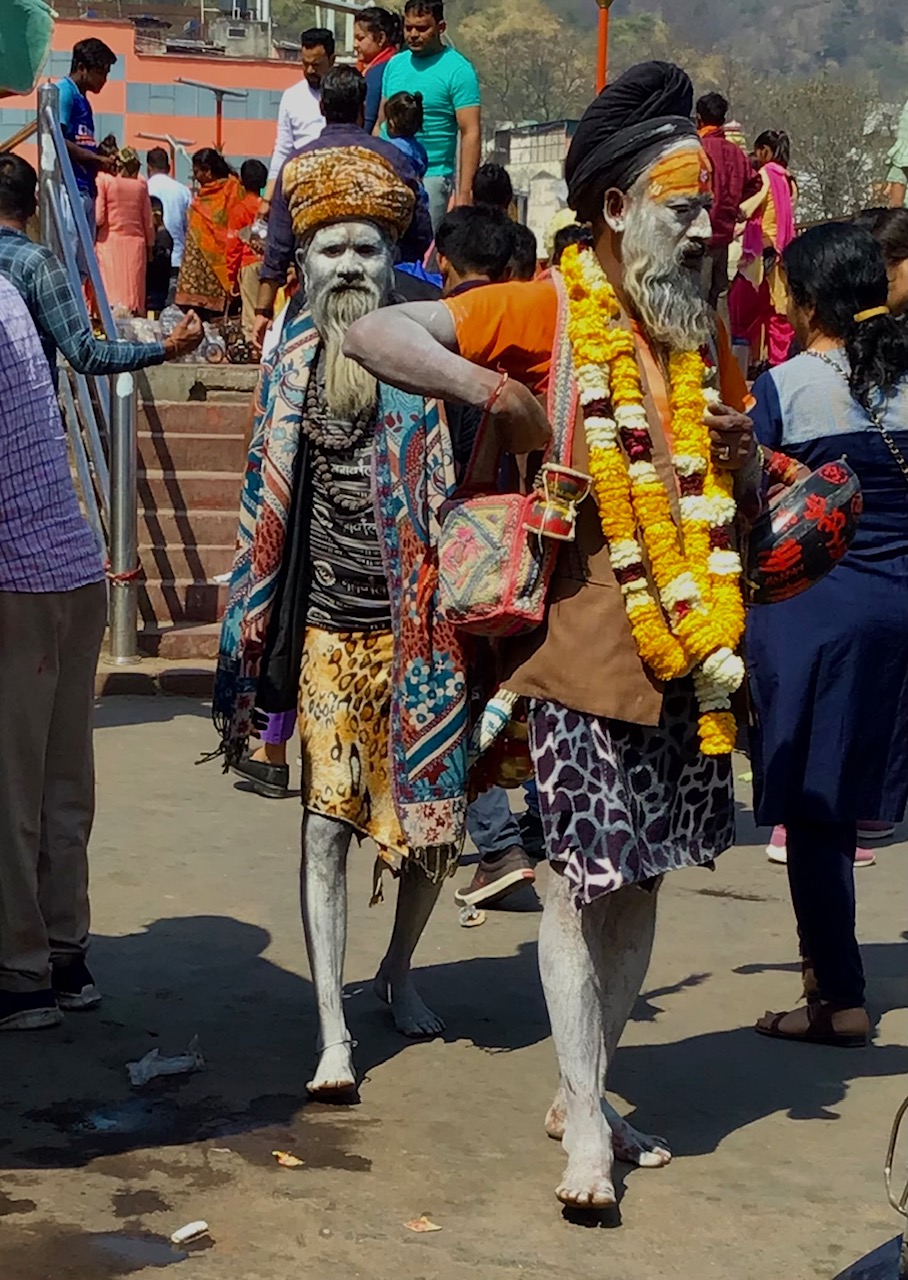
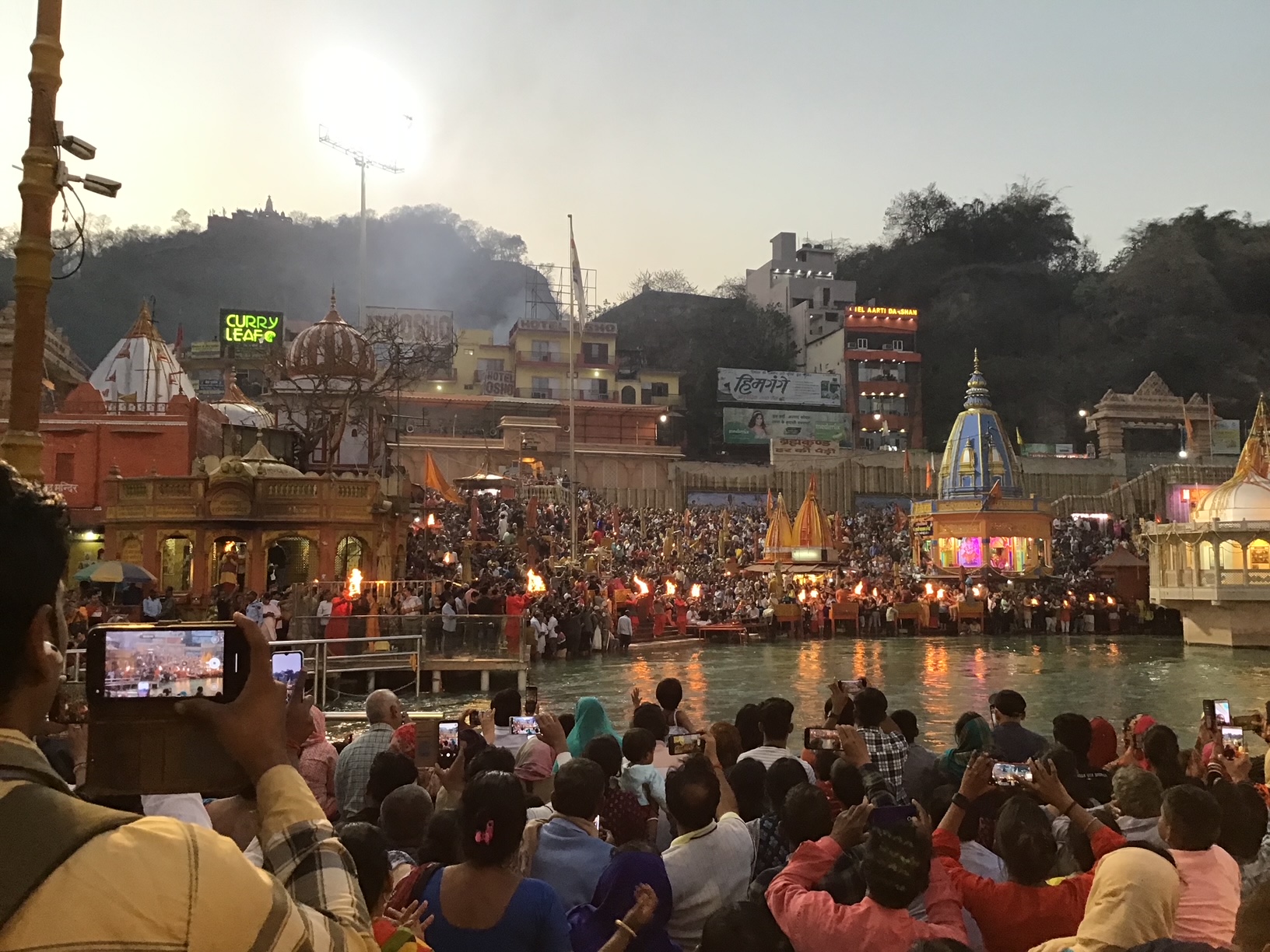
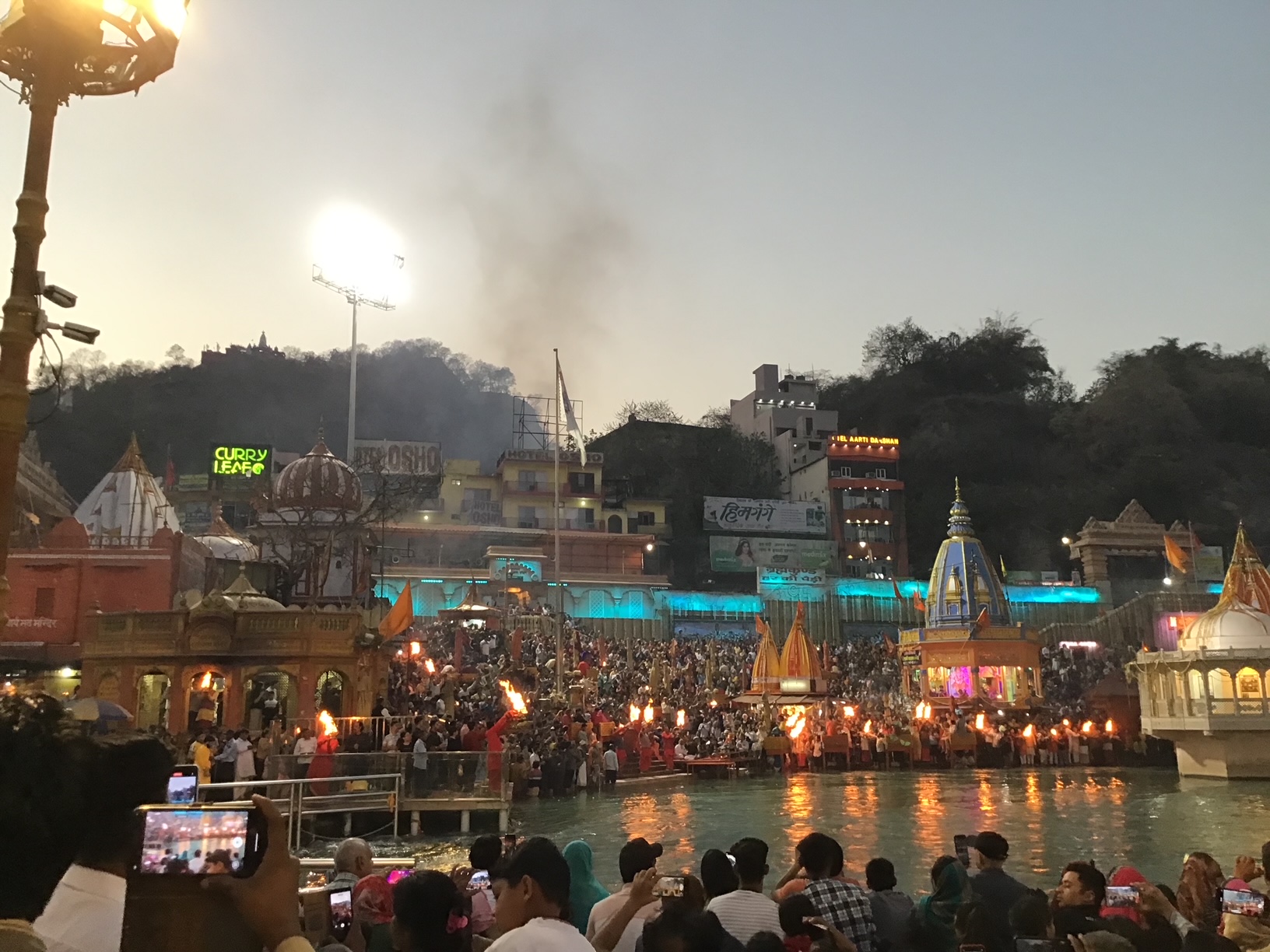
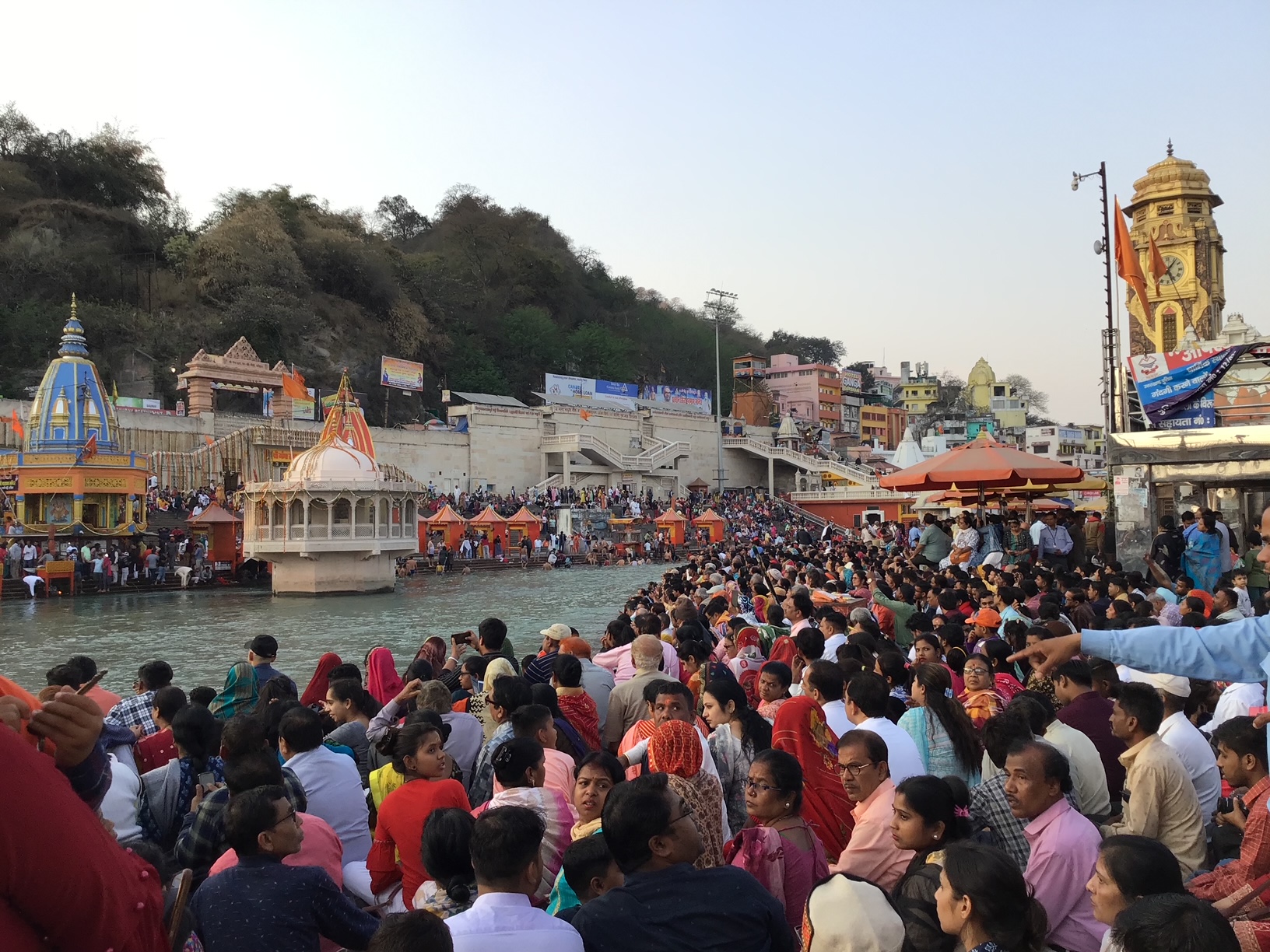
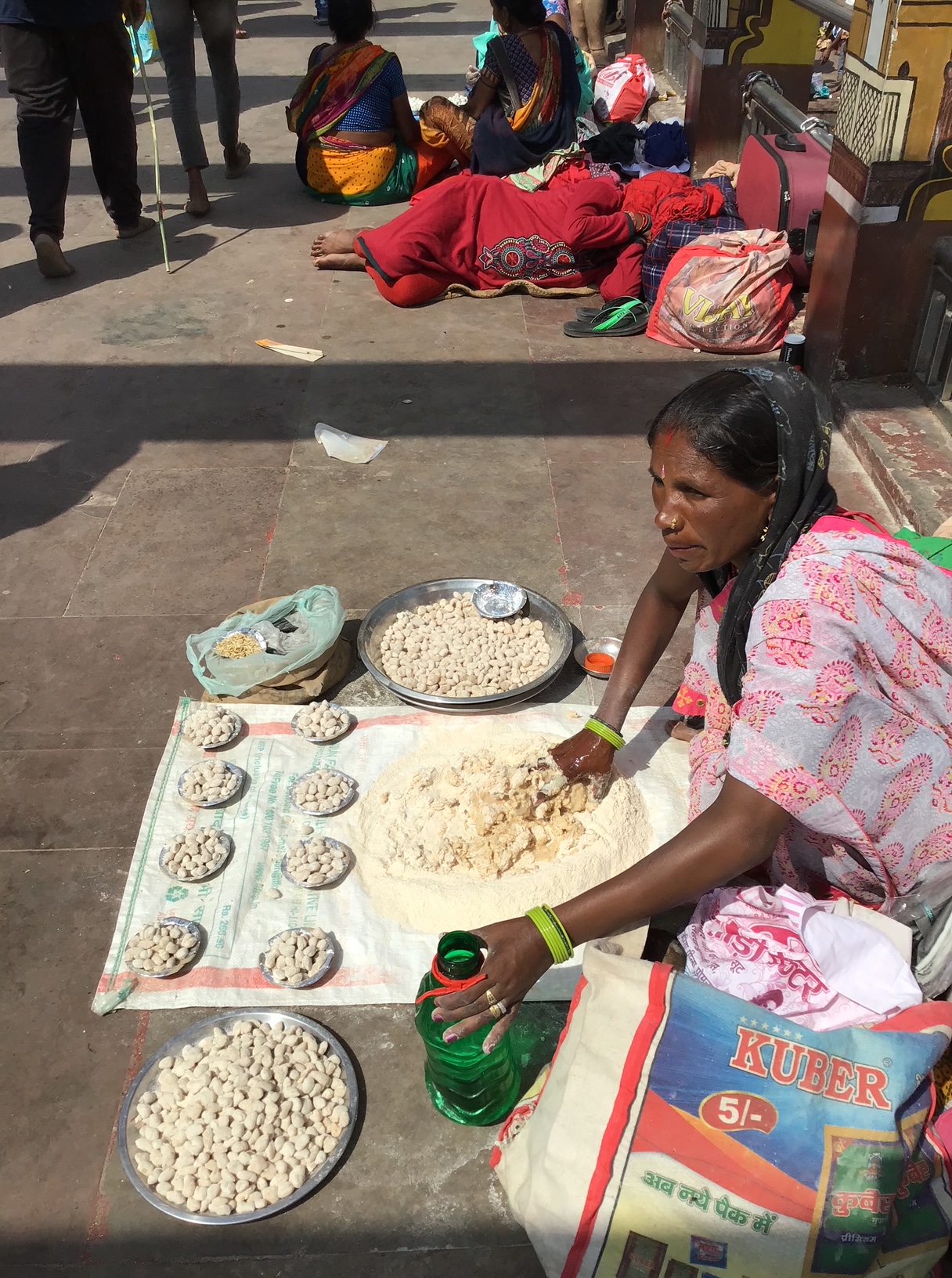








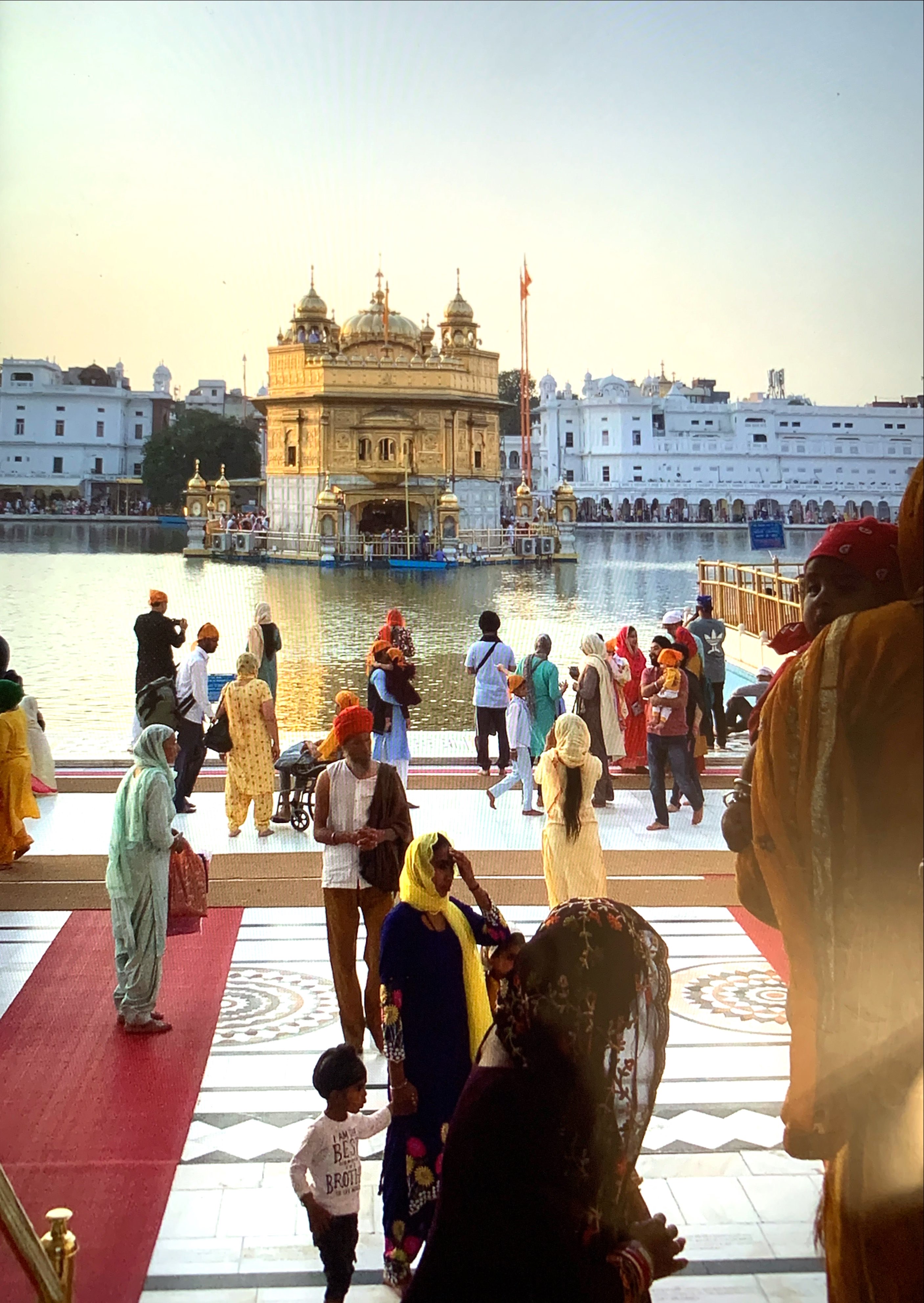
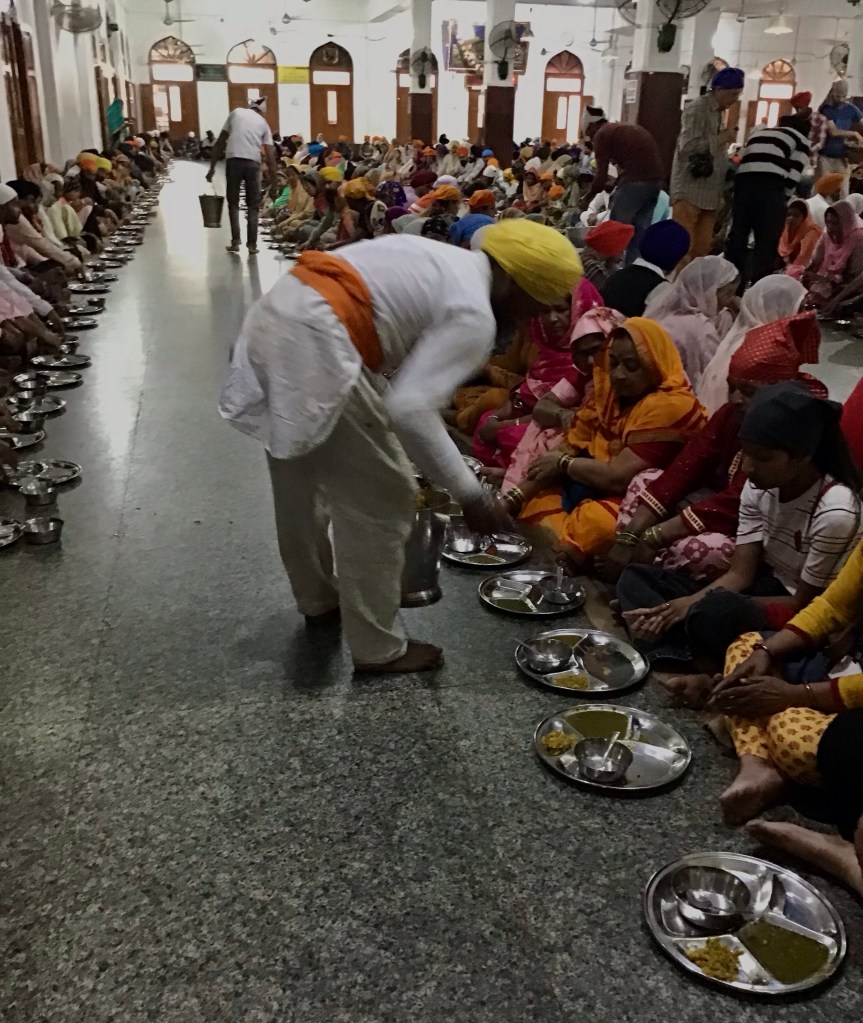
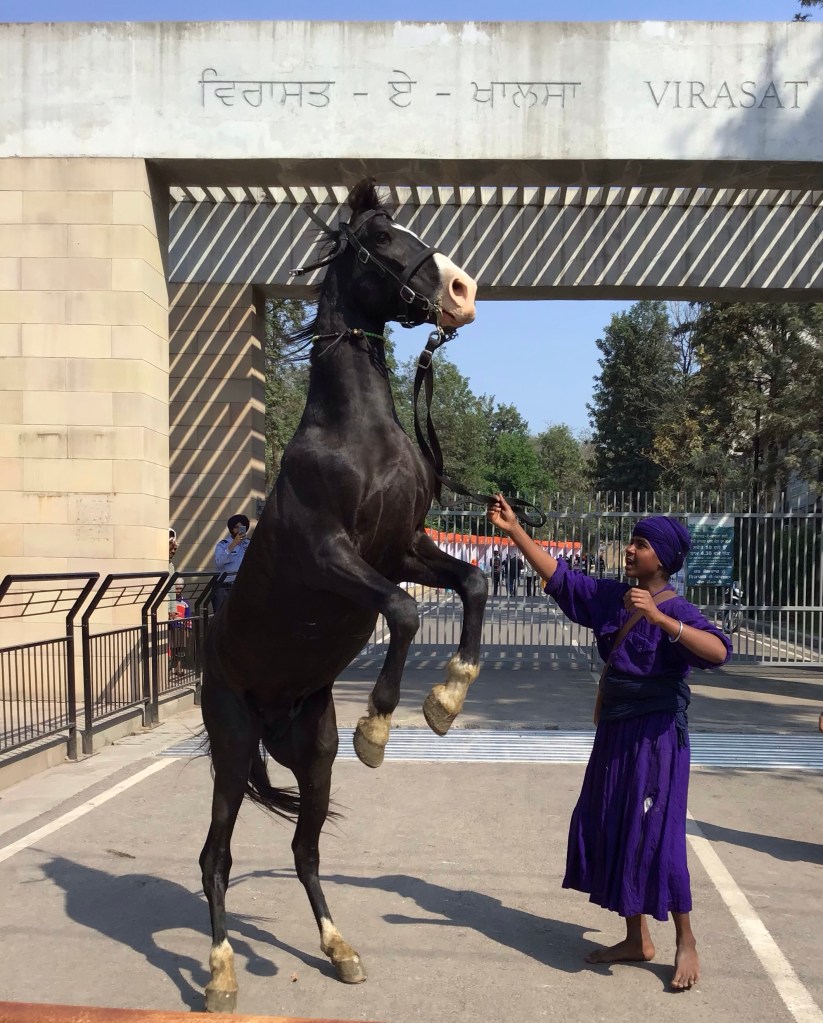


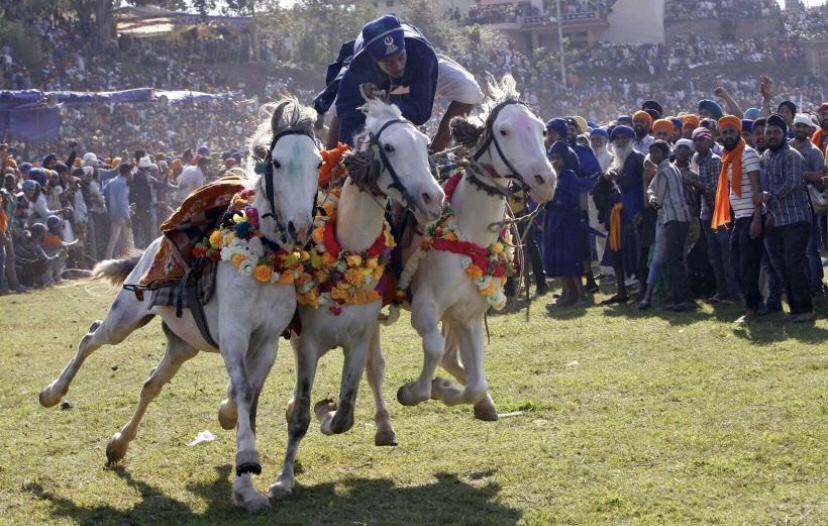
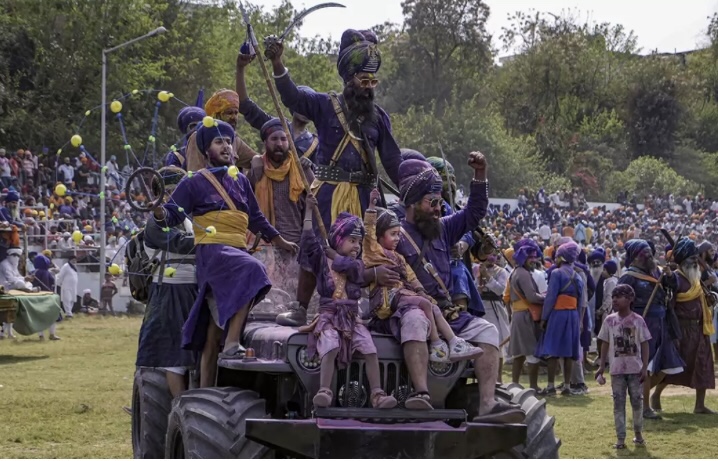
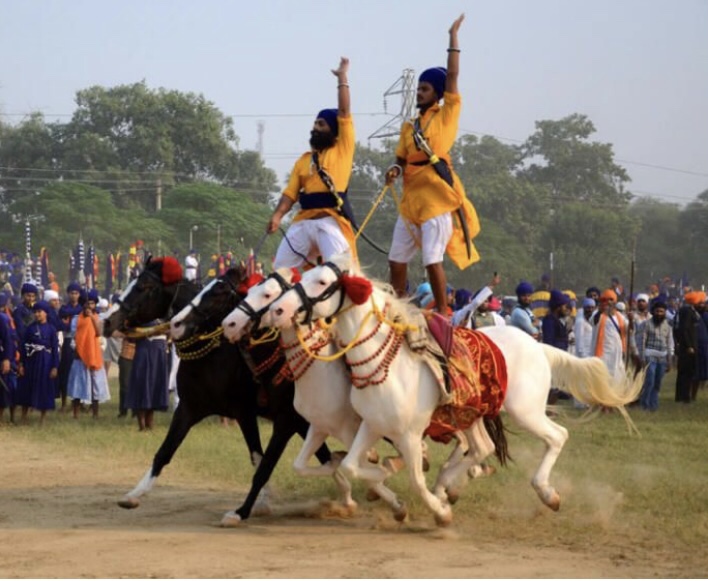

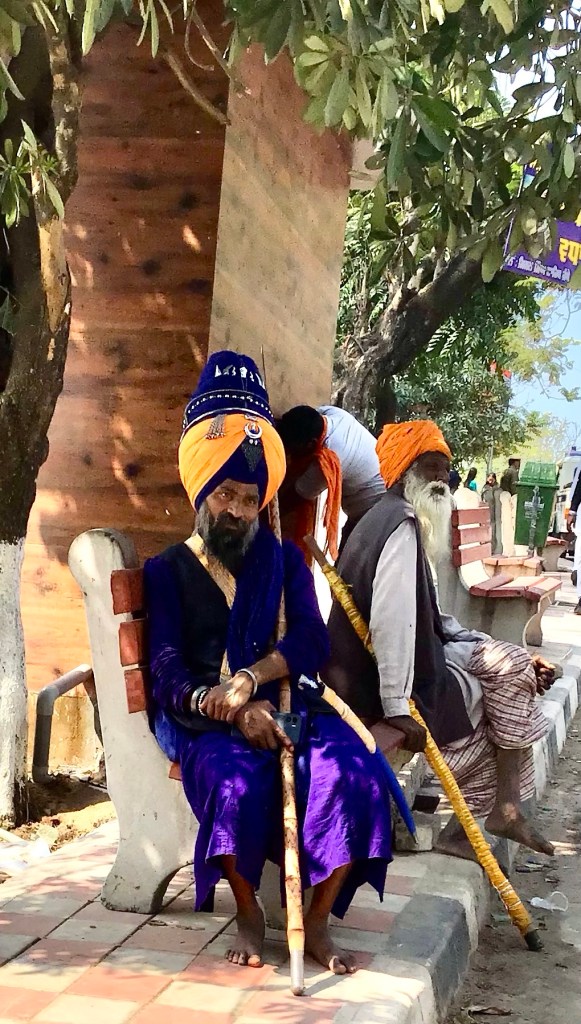
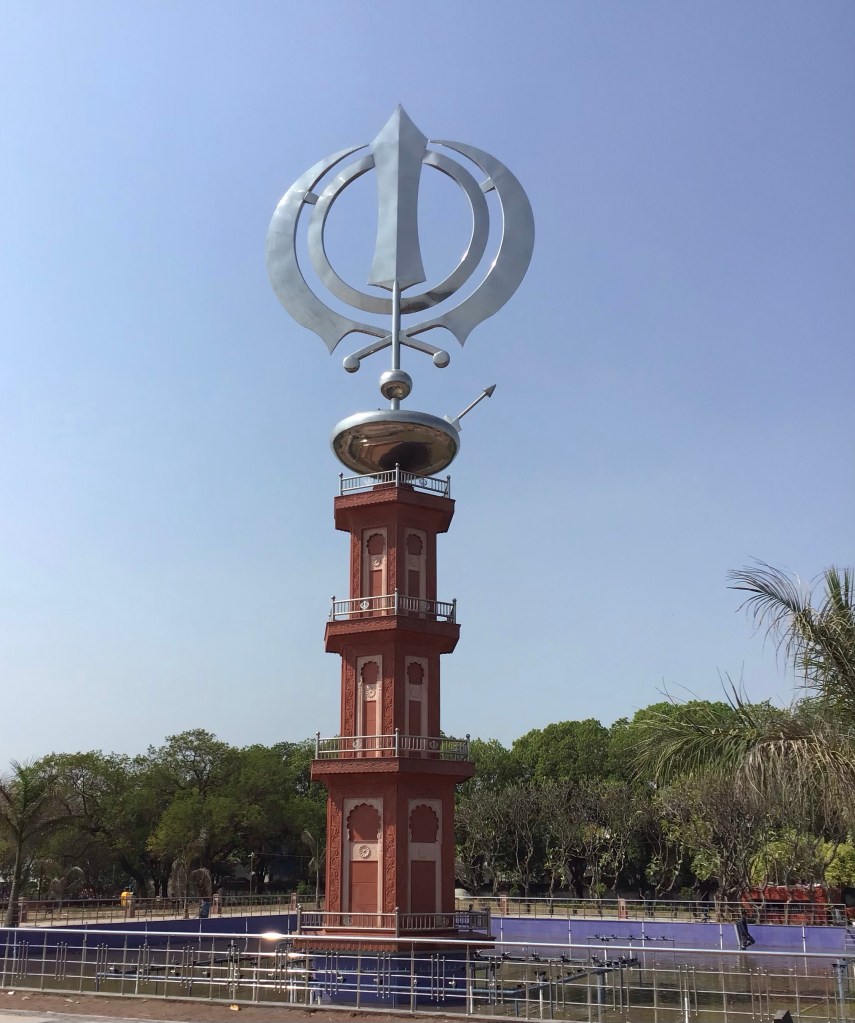











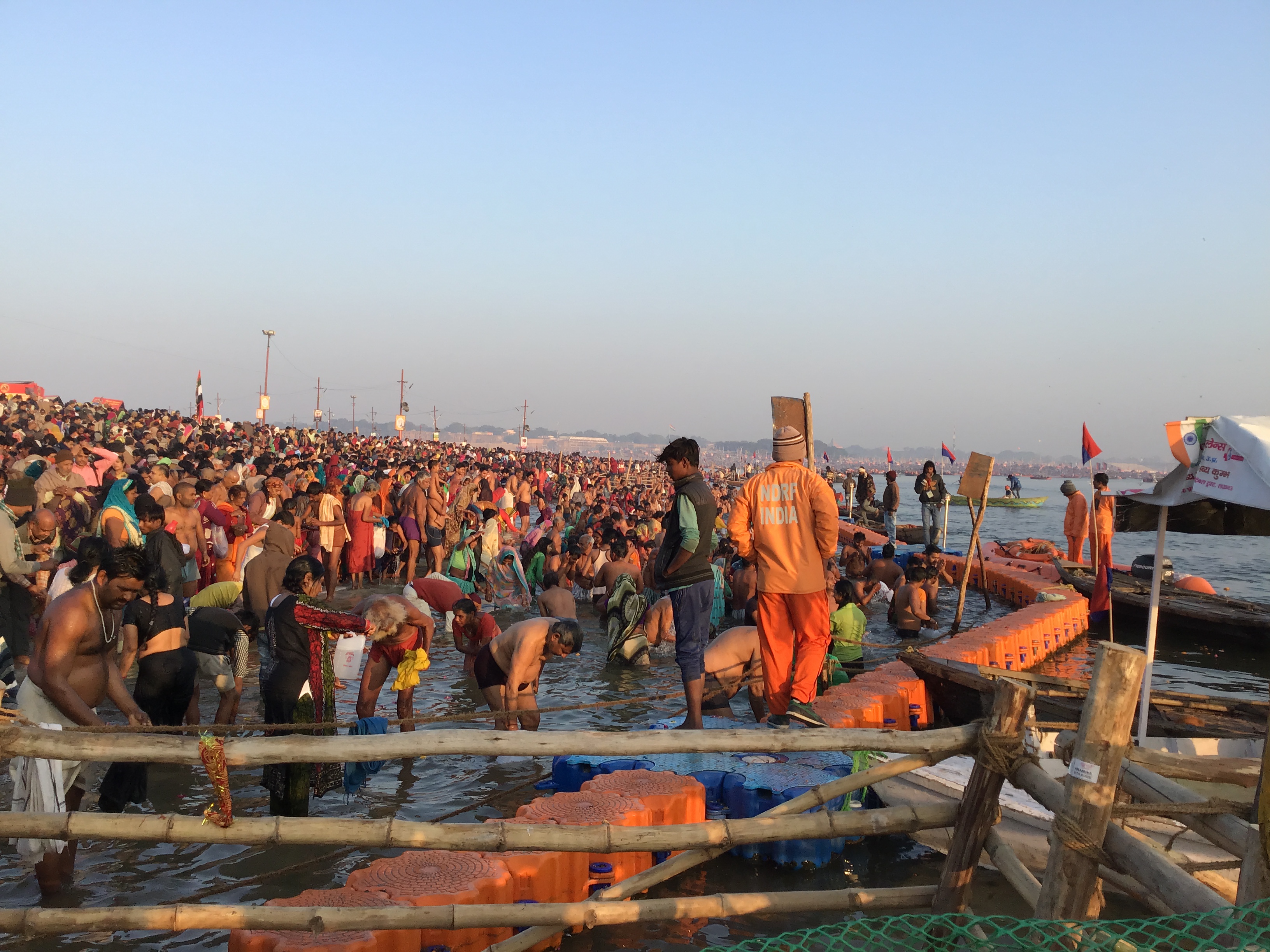
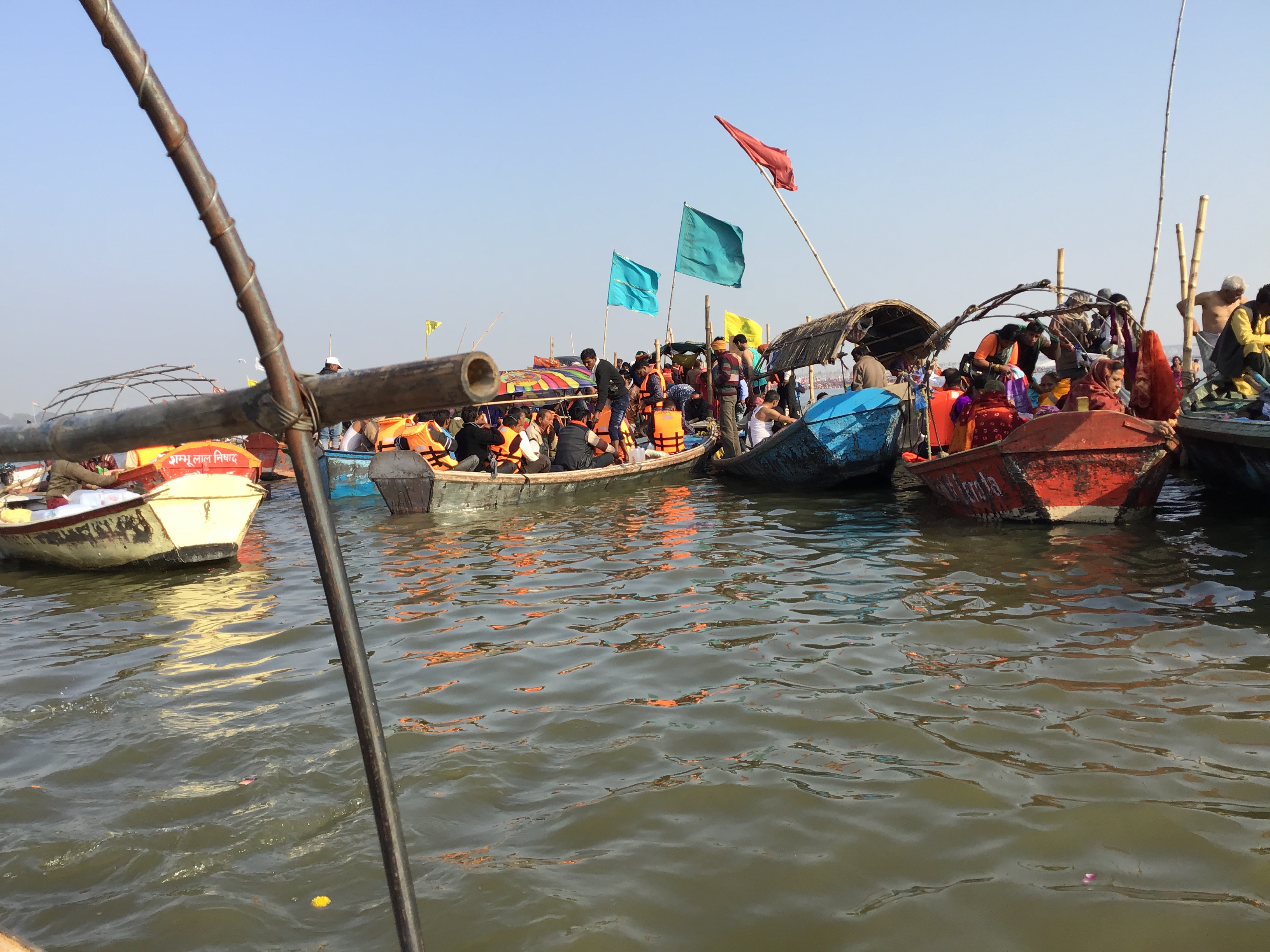
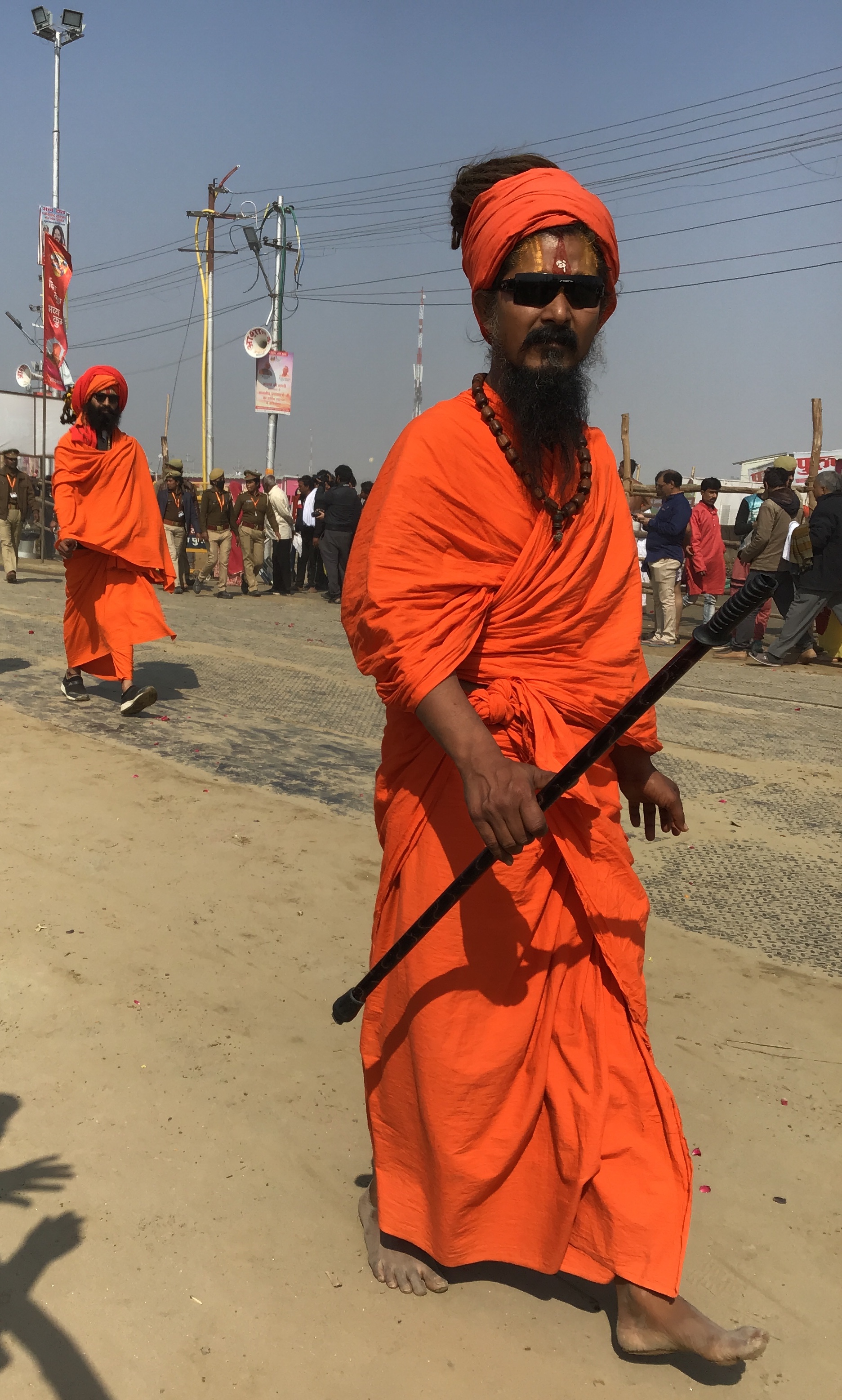
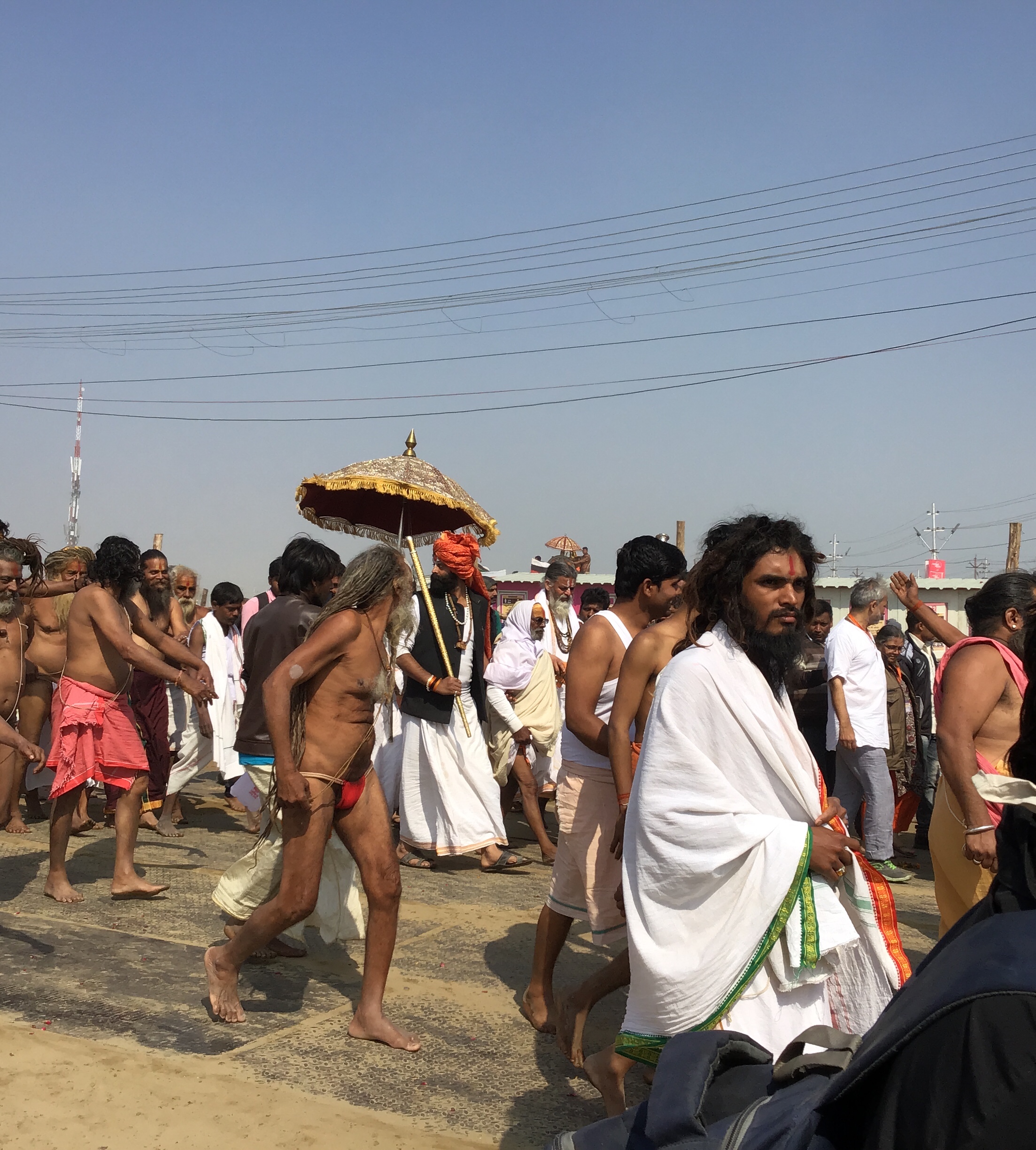
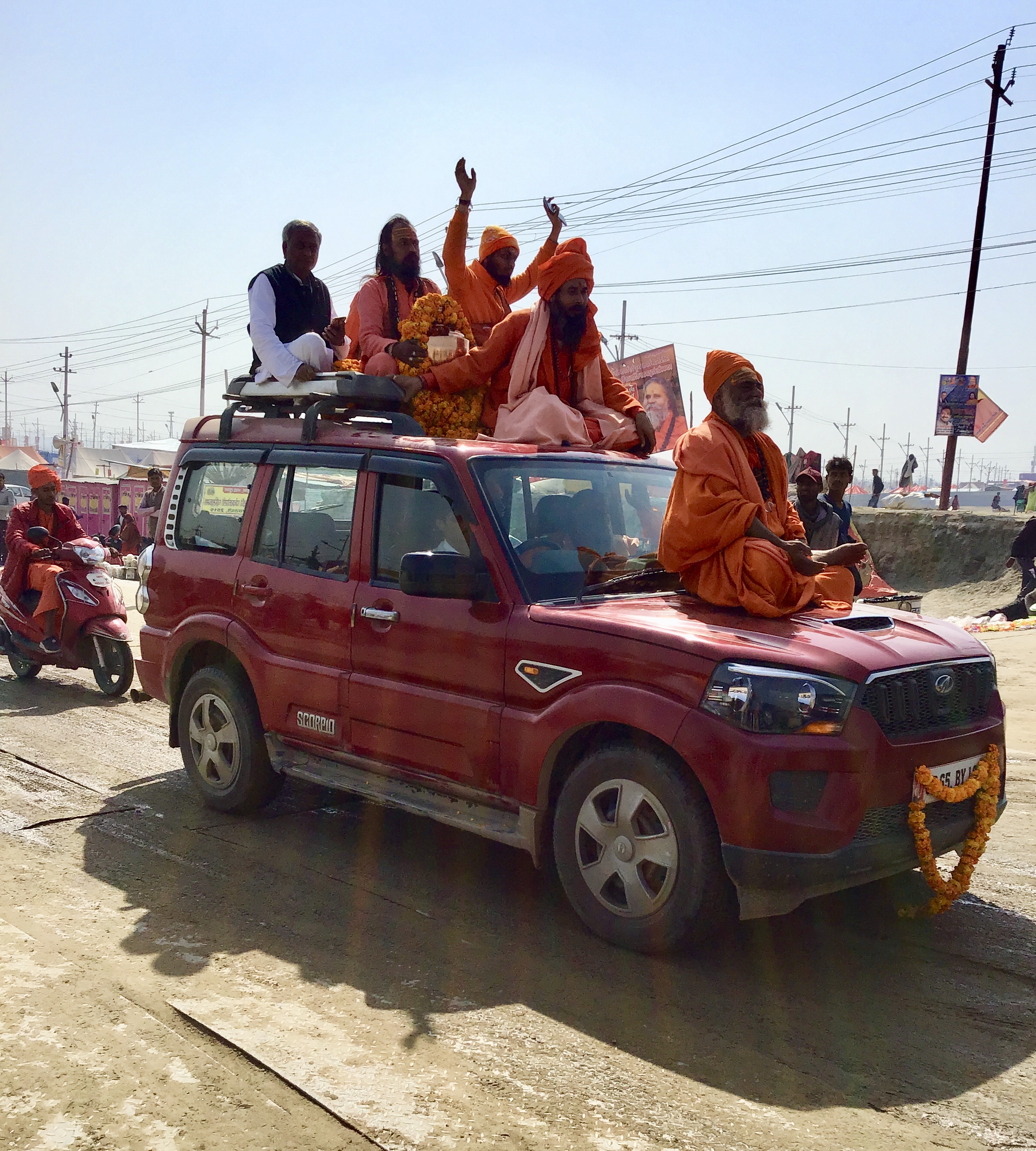
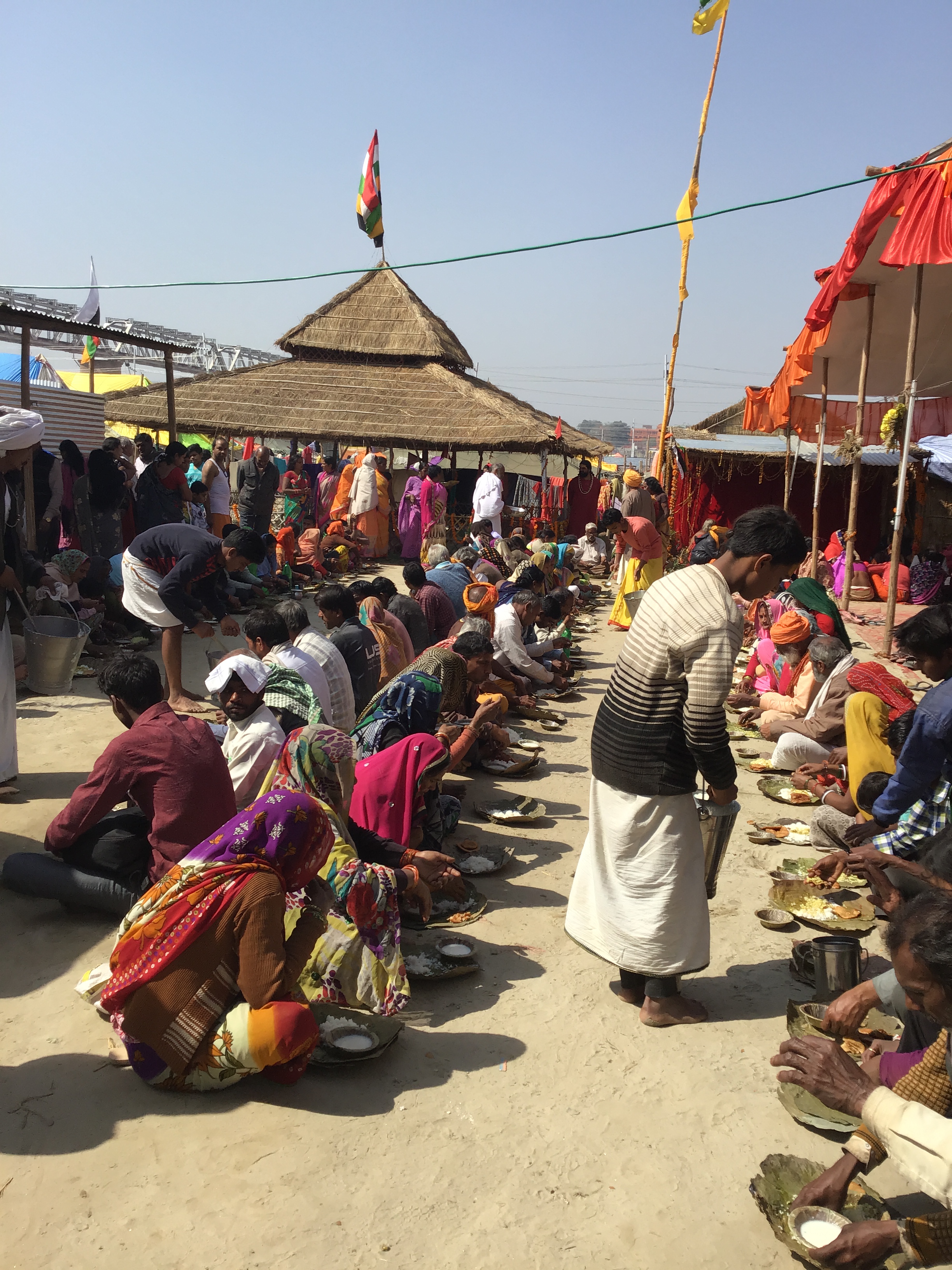
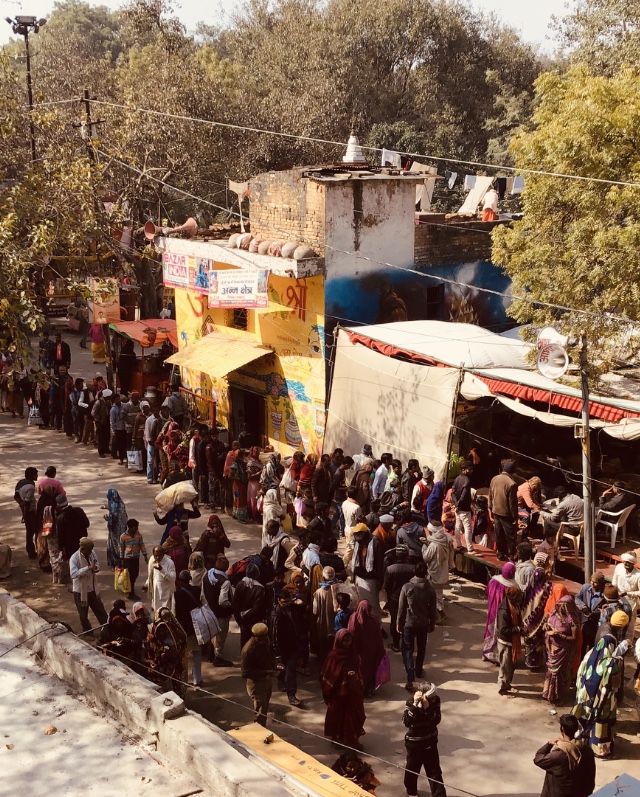
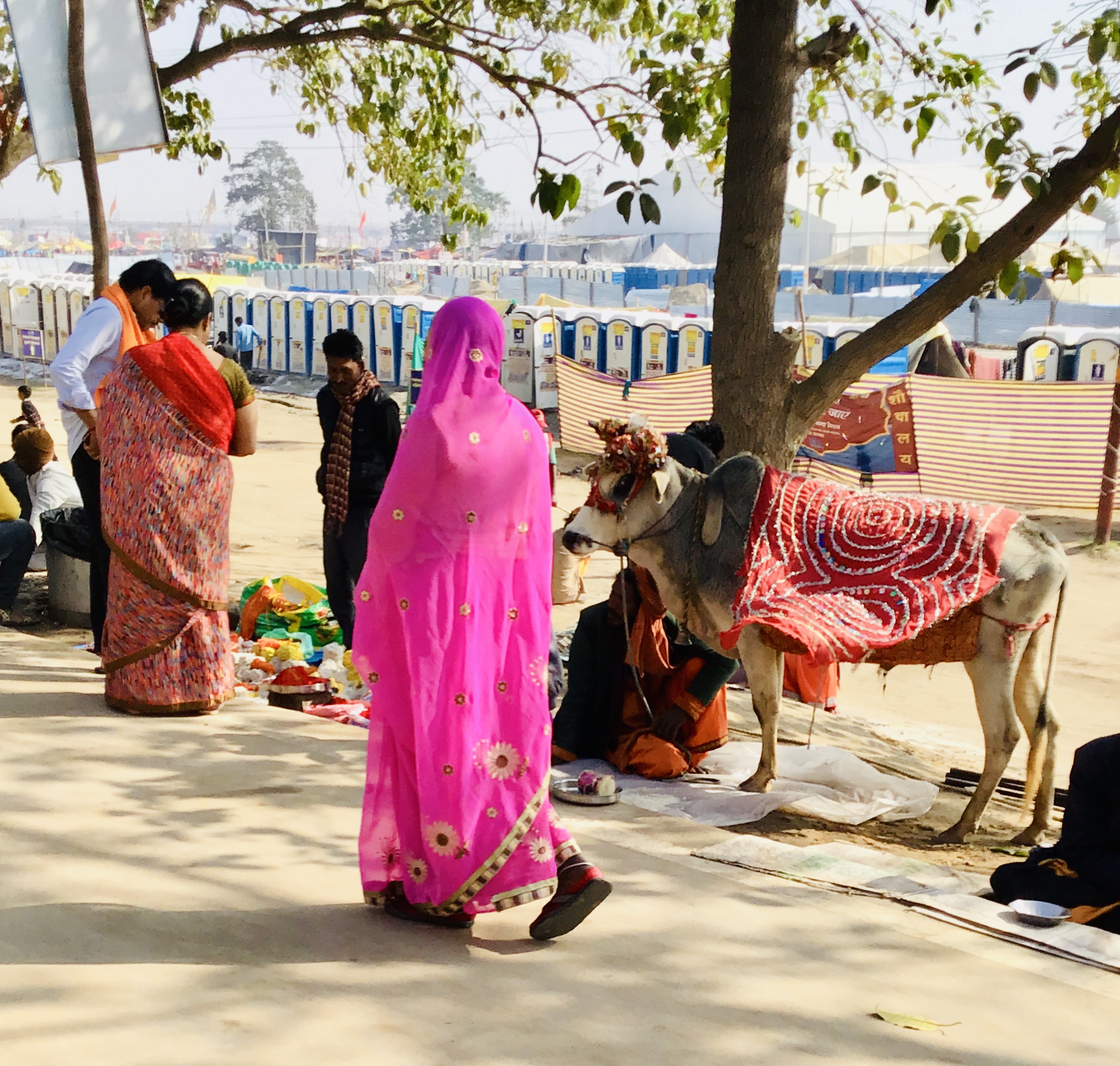
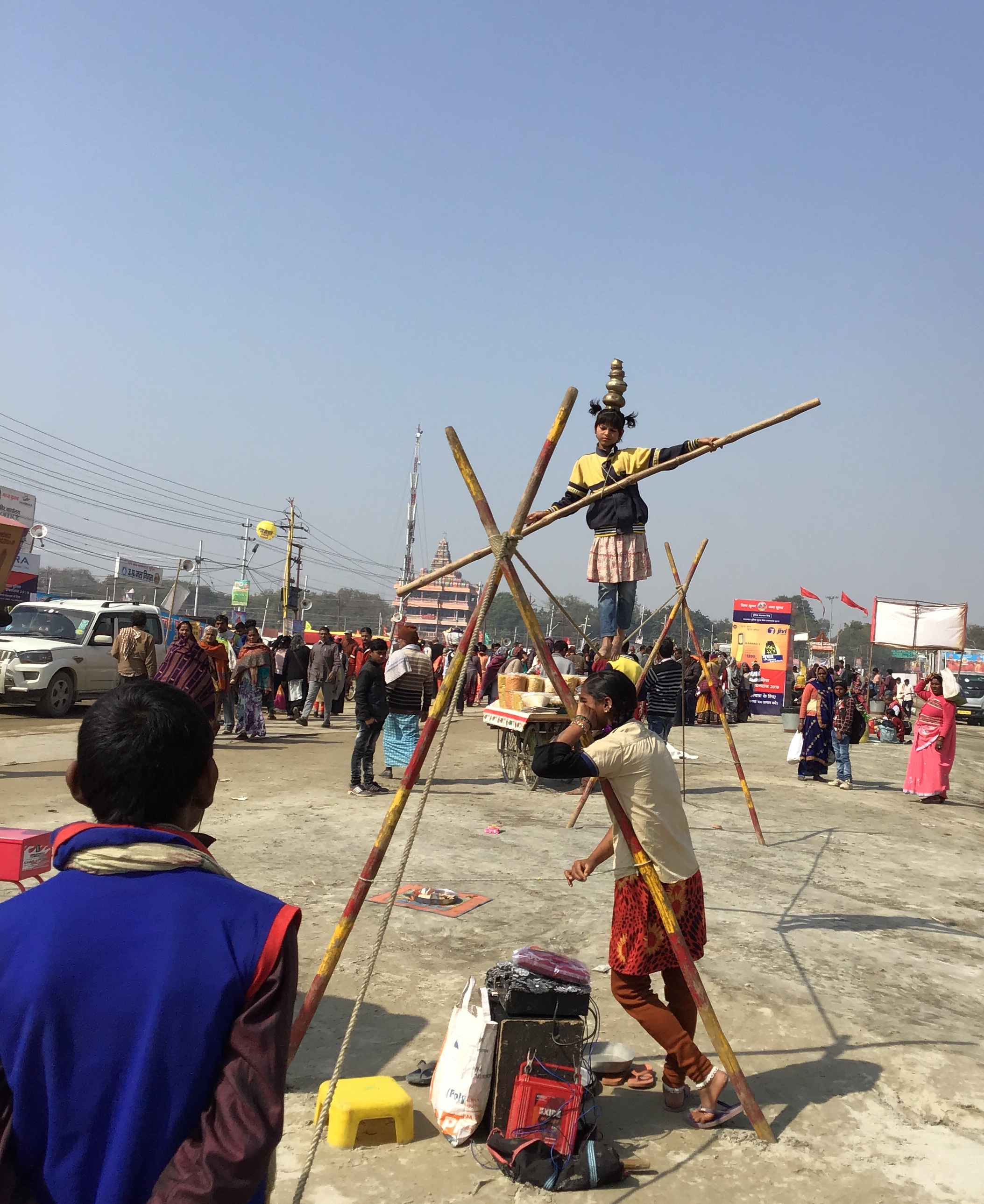
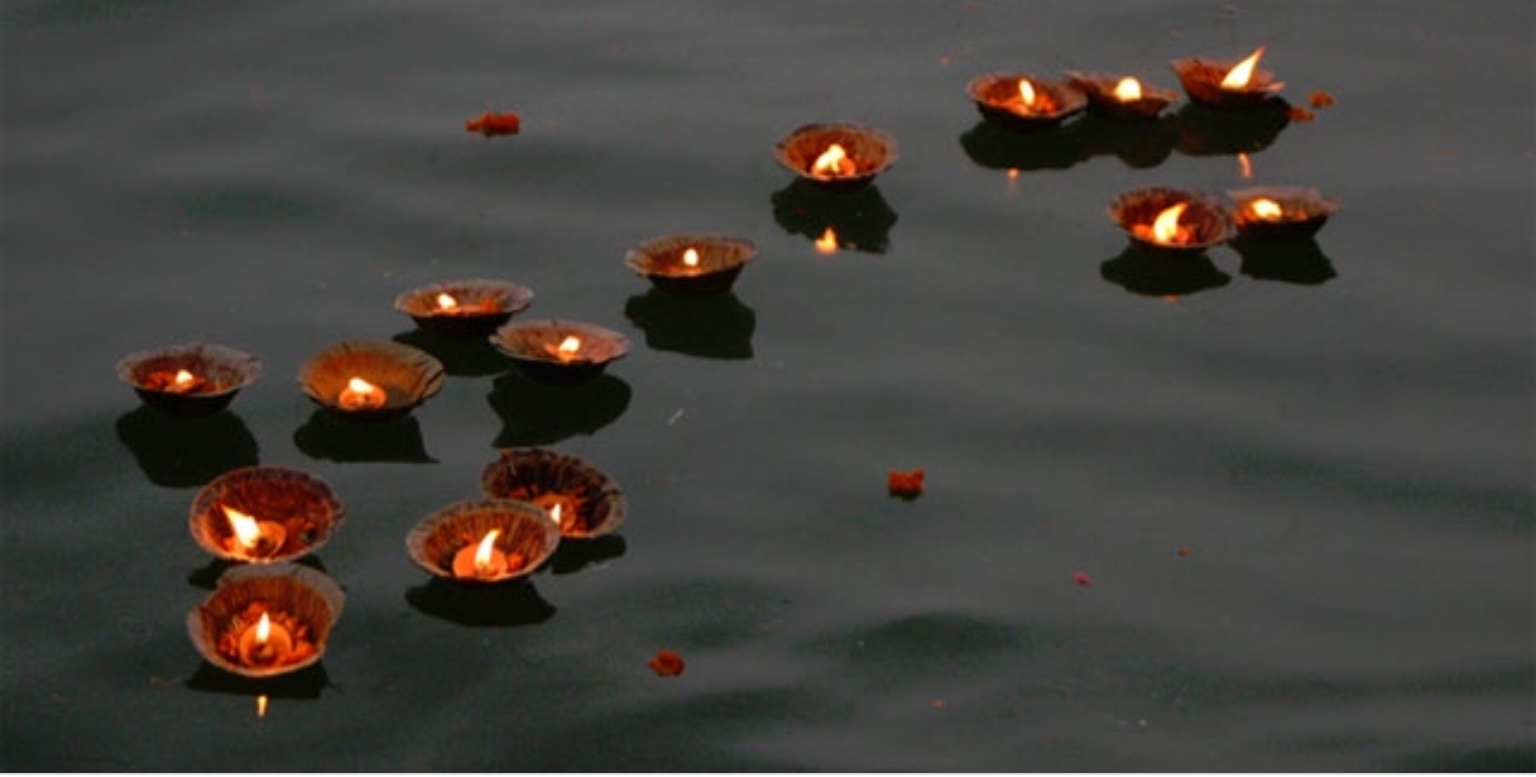
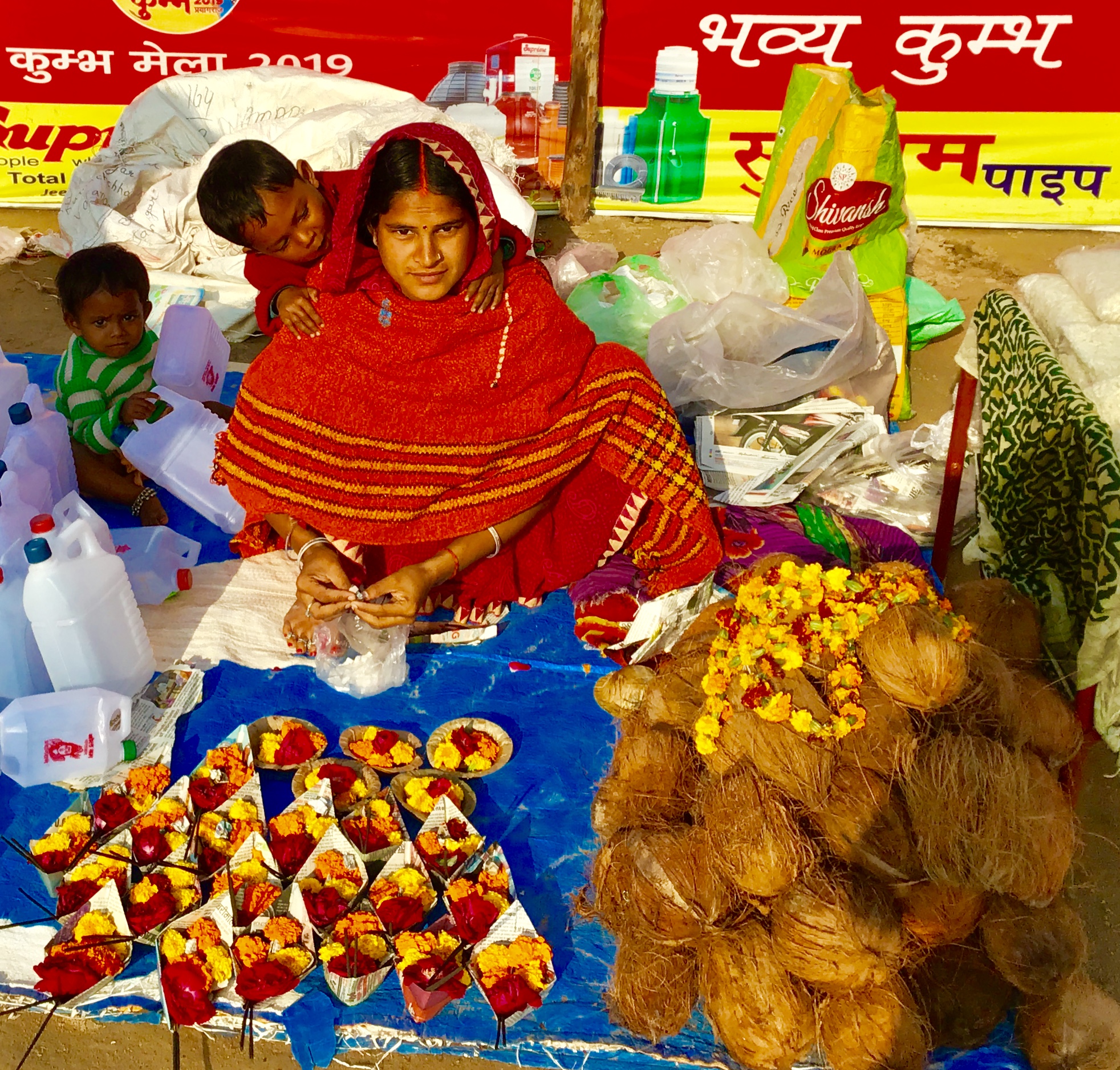
 The Kumbh Mela festival 2019 took place in Prayagraj (once called Allahabad, the Moghul-era name). The Kumbh Mela is the only event in the world where no invitation or permission is required and is allowed to all faiths, yet millions of pilgrims and visitors gather to celebrate the holy event. Kumbh Mela has its origin from a legend, describing a battle between gods and demons over the possession of the nectar of eternal life.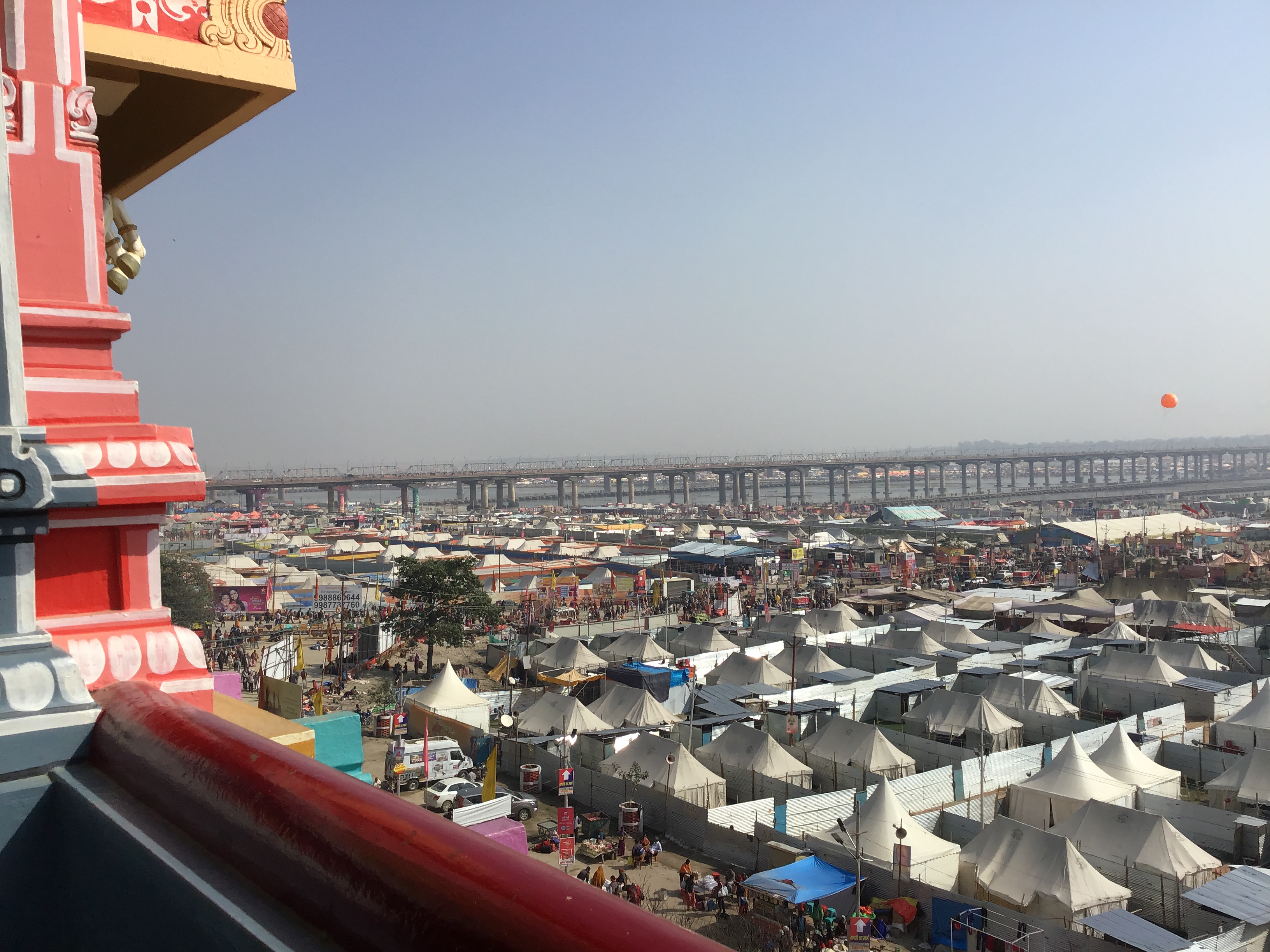



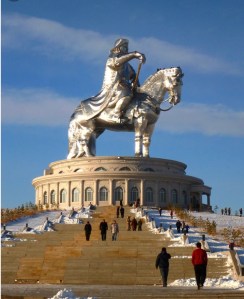
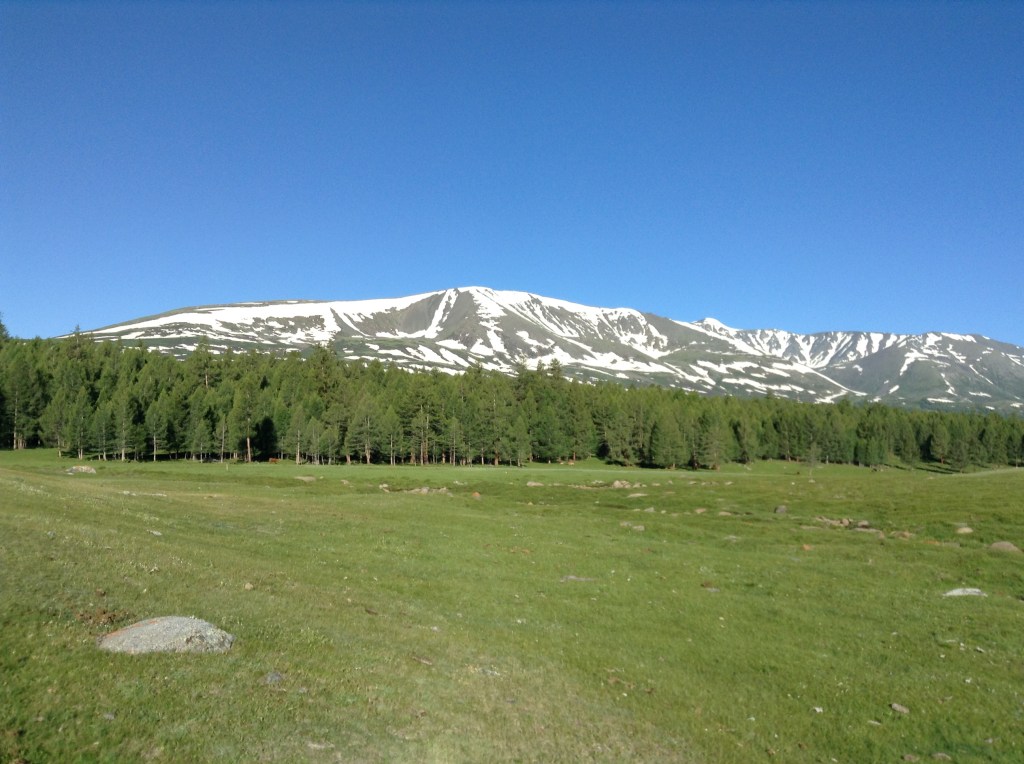
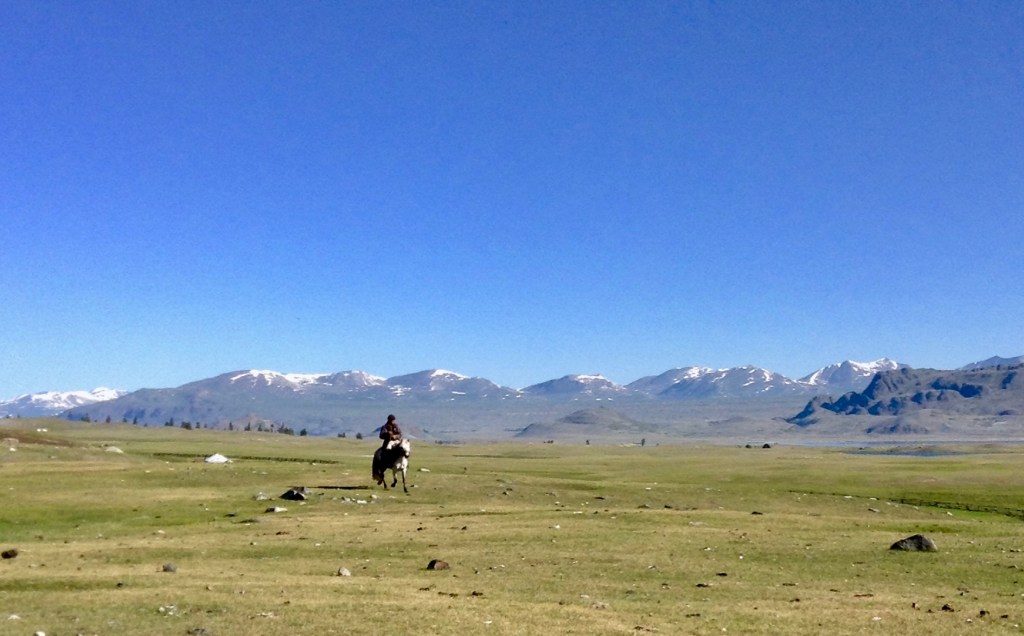 For most of the 20th century Mongolia was isolated for the rest of the world and a sense of remoteness still exists today. Mongolia is the least densely populated country in the world. It’s is a pristine intact country, it’s the land of steppe, of blue skies, valleys full of flowers, mountain peaks hidden in the clouds.
 It’s a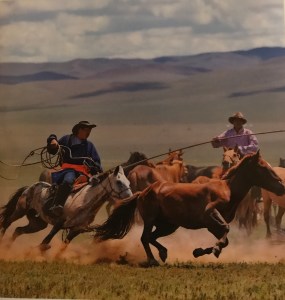



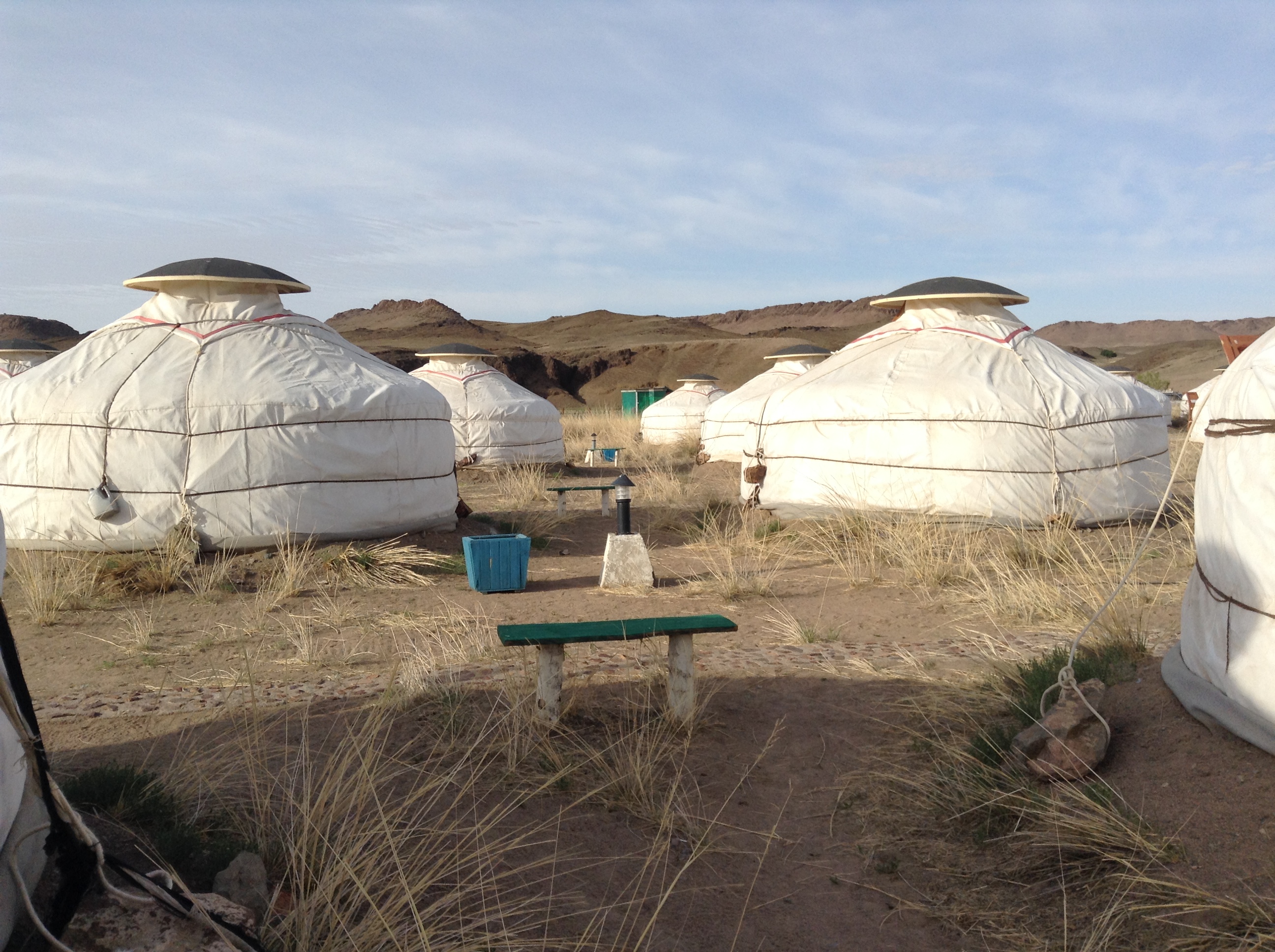
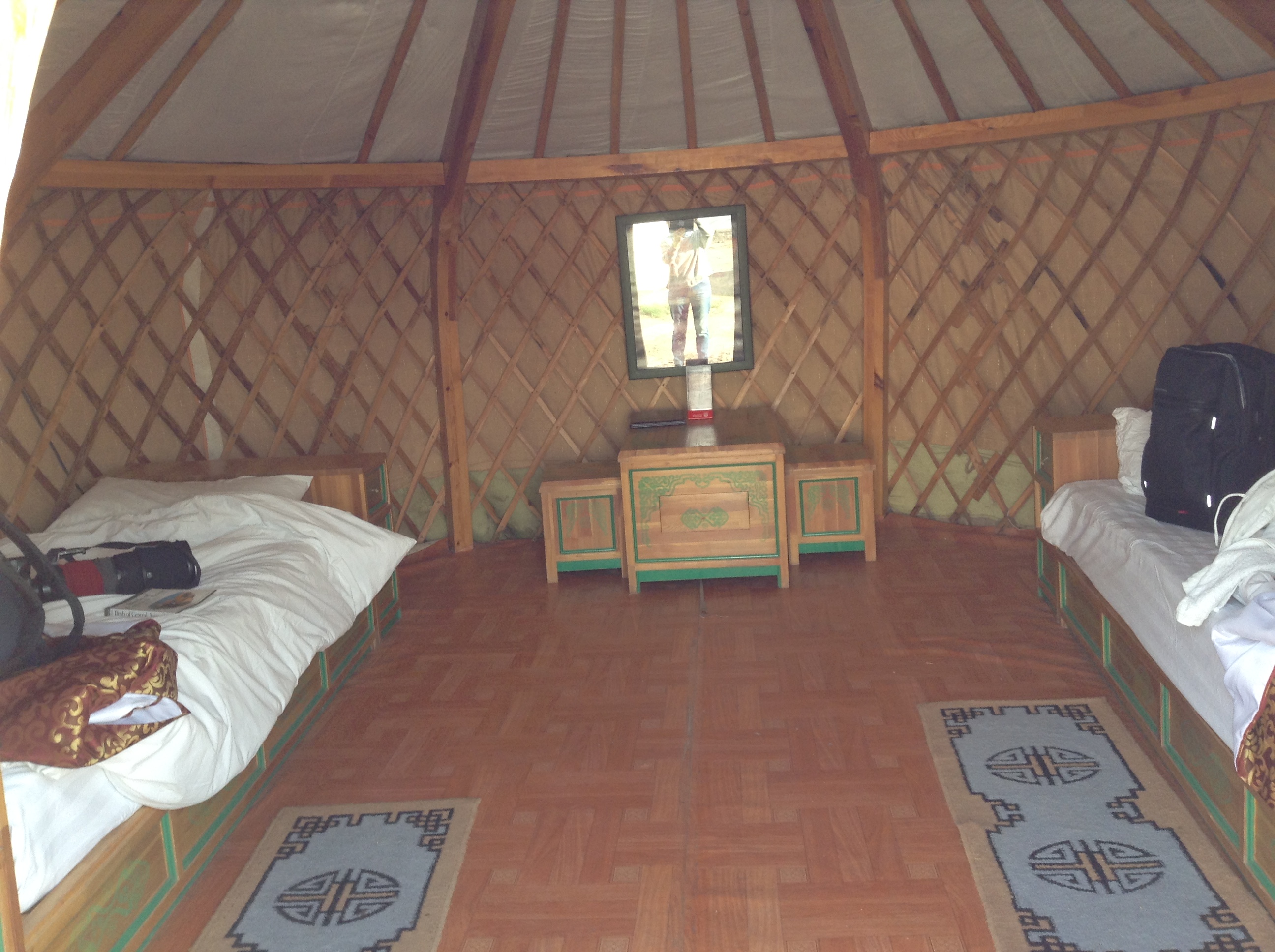
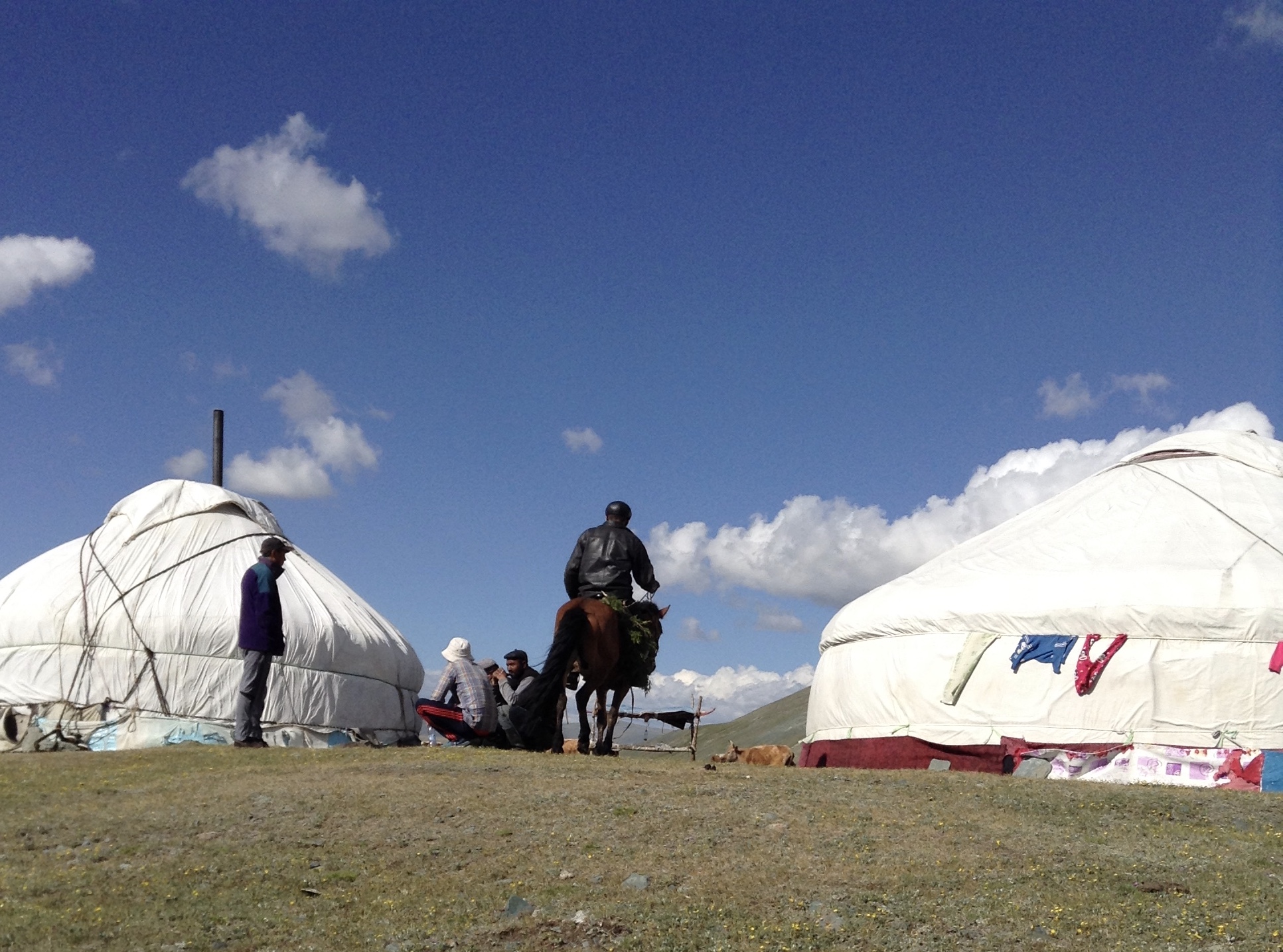 The orientation of the Ger is symbolically important to Mongolians: entrance always faces south towards the sun, north is the most special place for sacred objects and visitors. West side is the male side where their tools, saddles and hunting kit are stored. East side is the female side where women sit and where cooking utensils are kept. Fireplace or stove is in the centre so smoke can exit through the crown of the roof which can be closed during bad weather conditions.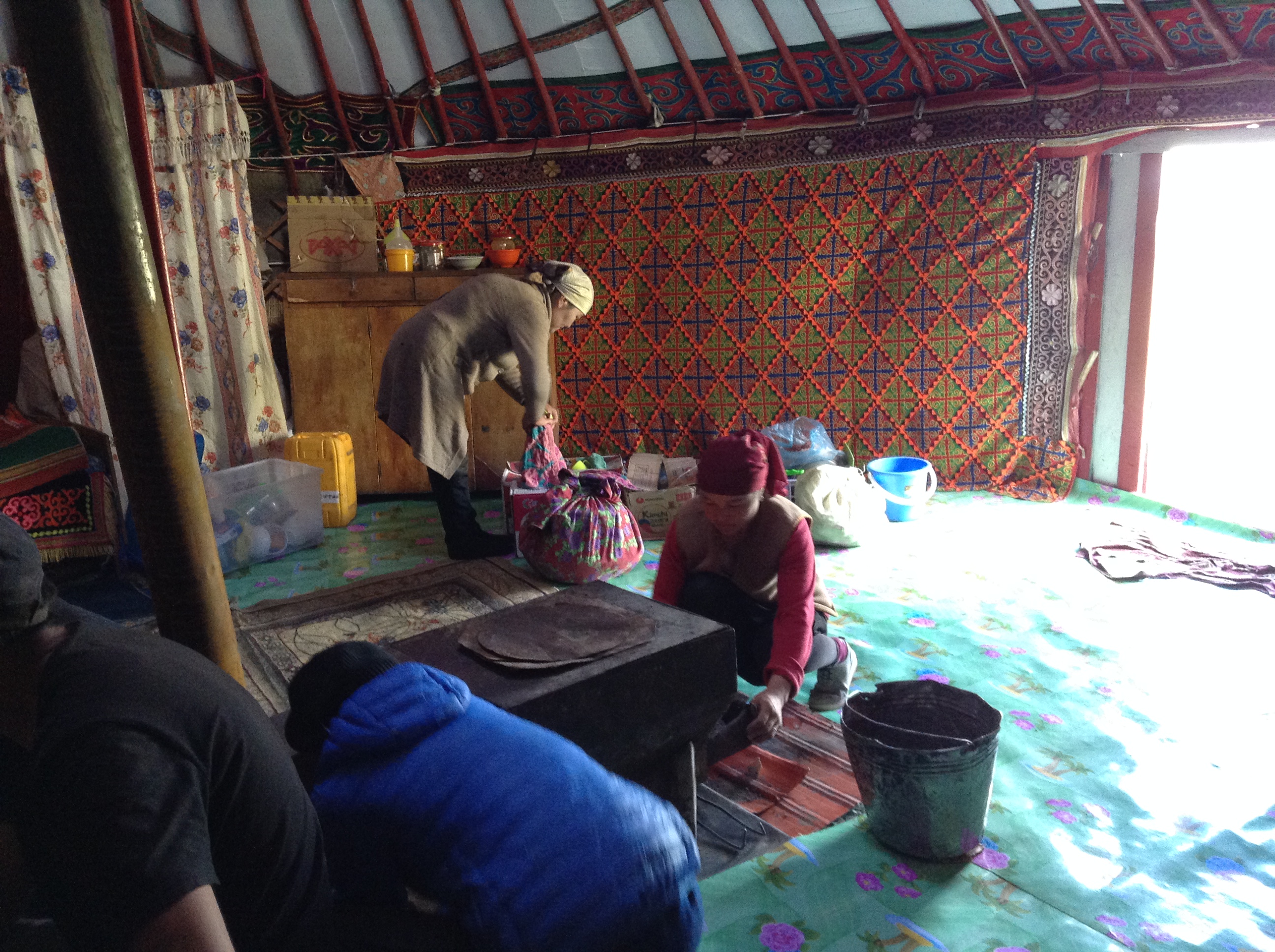

 Hunting with eagles is a sense of identity. To western eyes the relationship may seem cruel or cold, but eagles are not considered as pets but working animals and Kazakhs hunters have an incredibly close connection with their eagles, they are virtually considered as family members, as for the other animals!
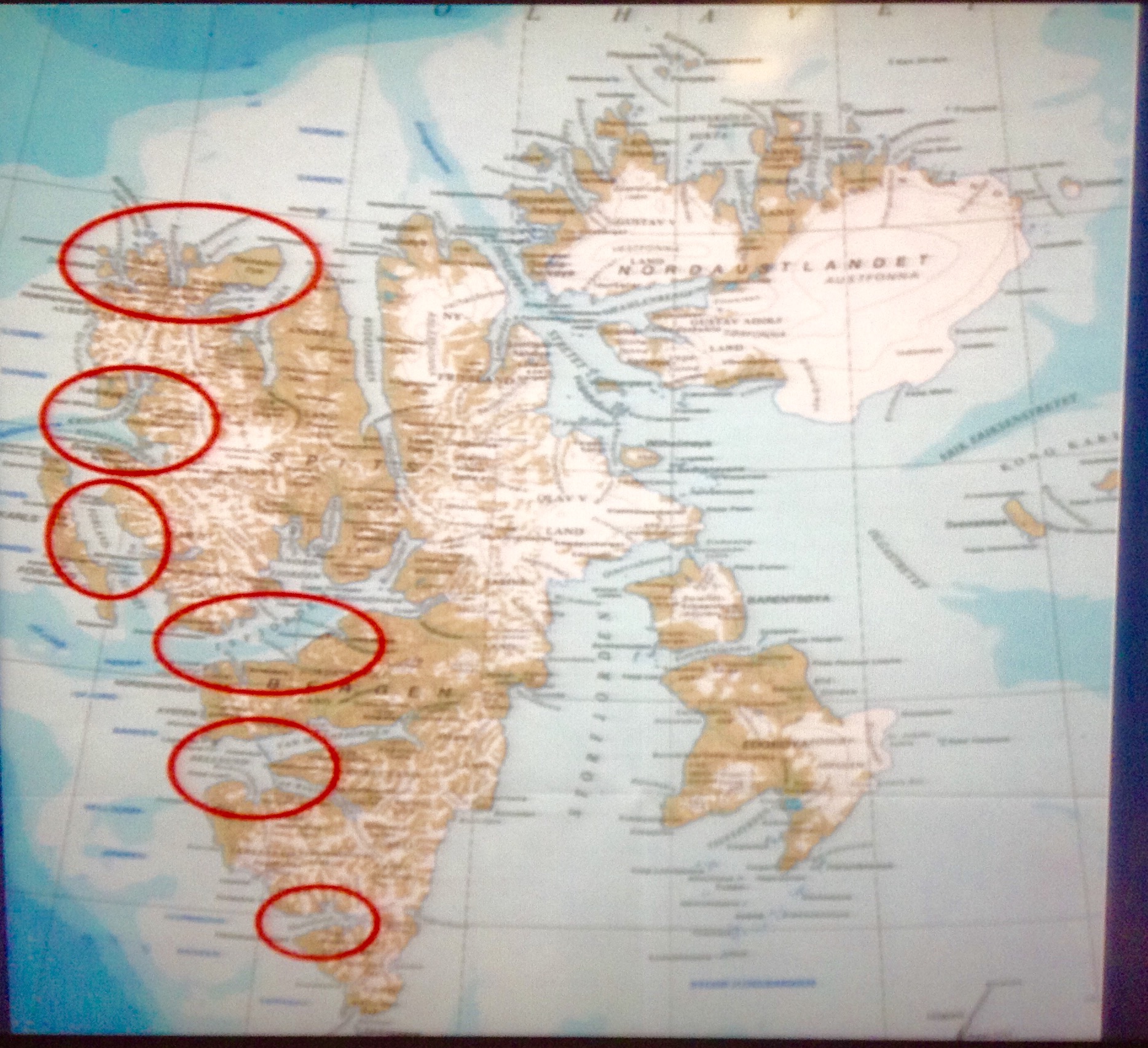
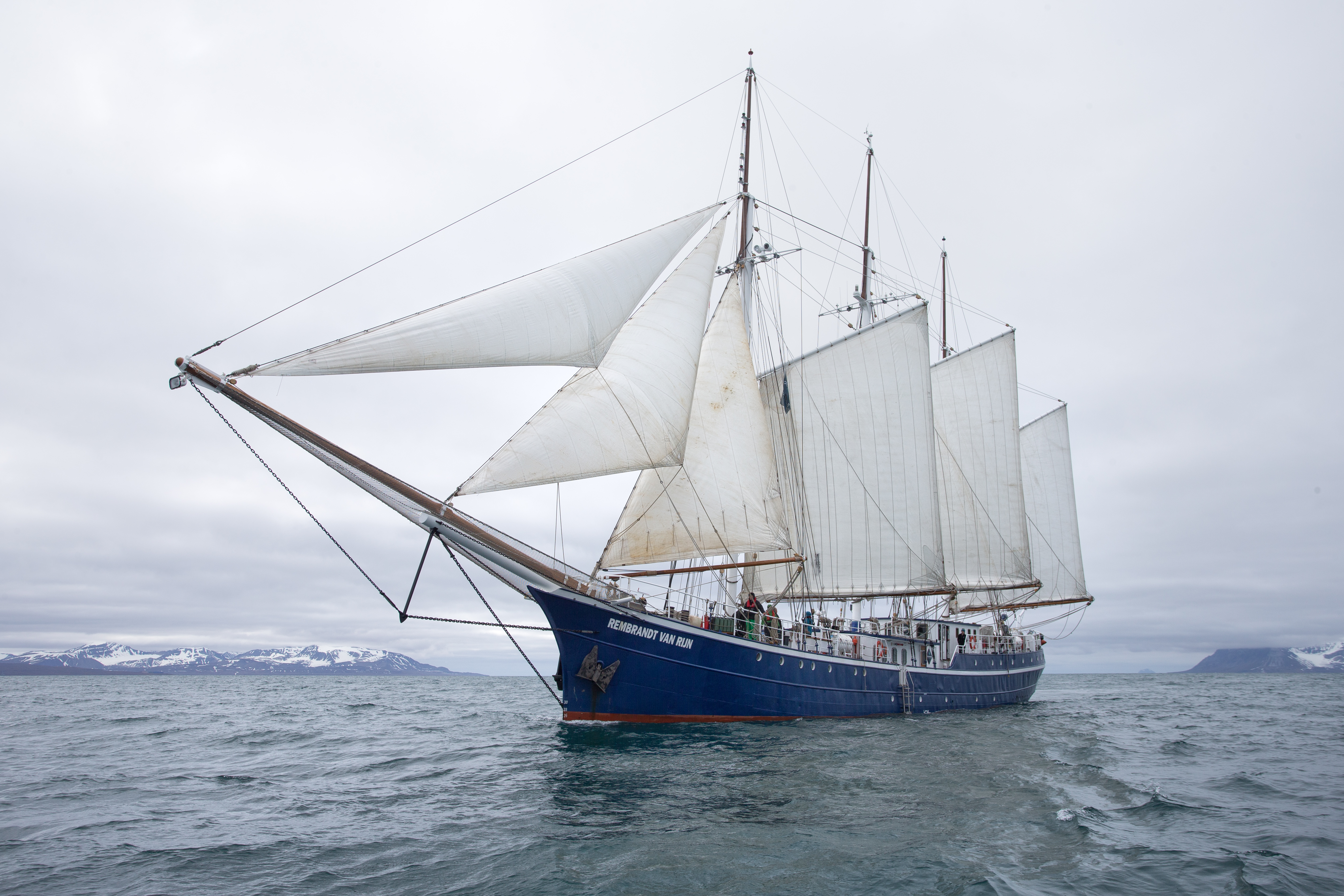
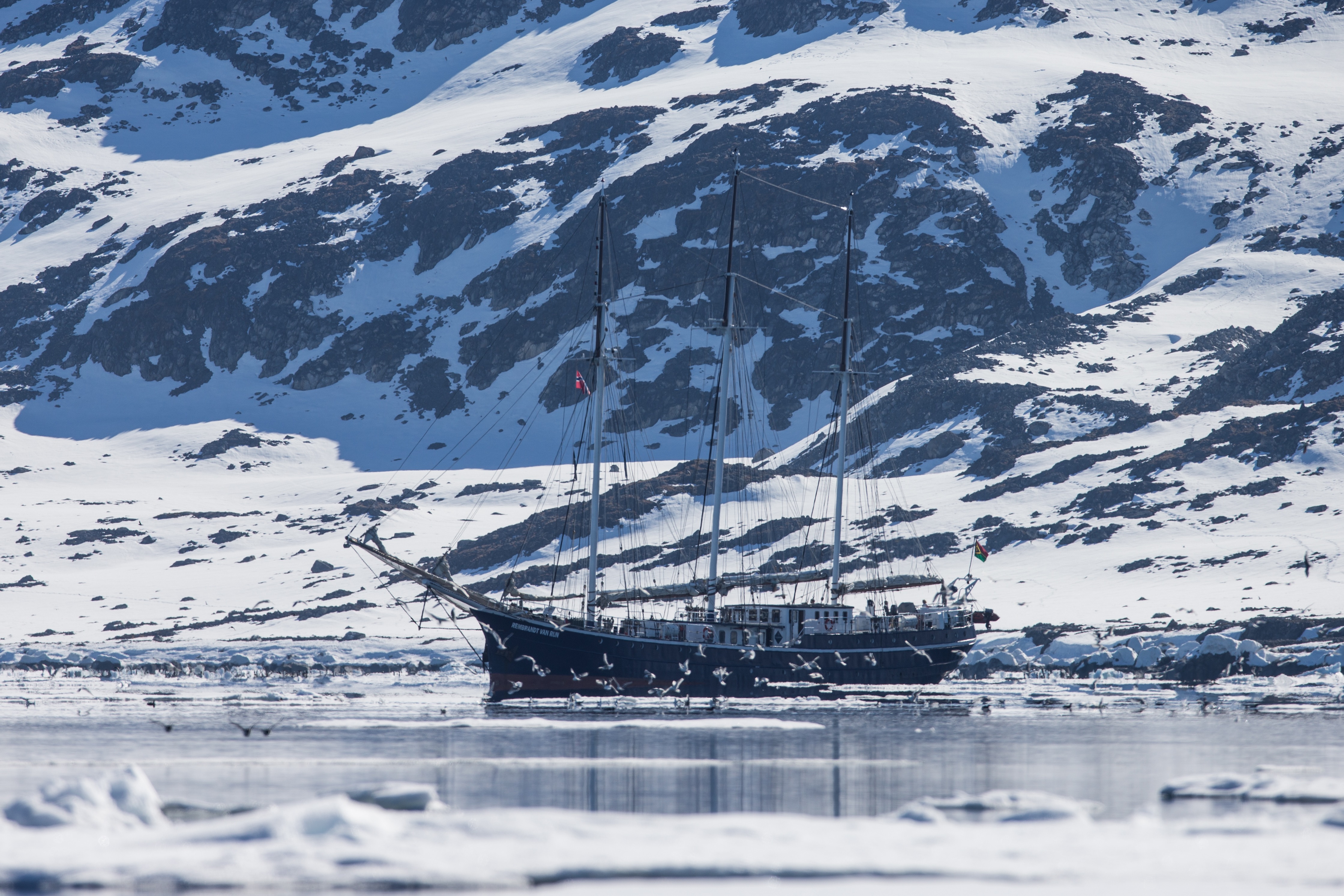
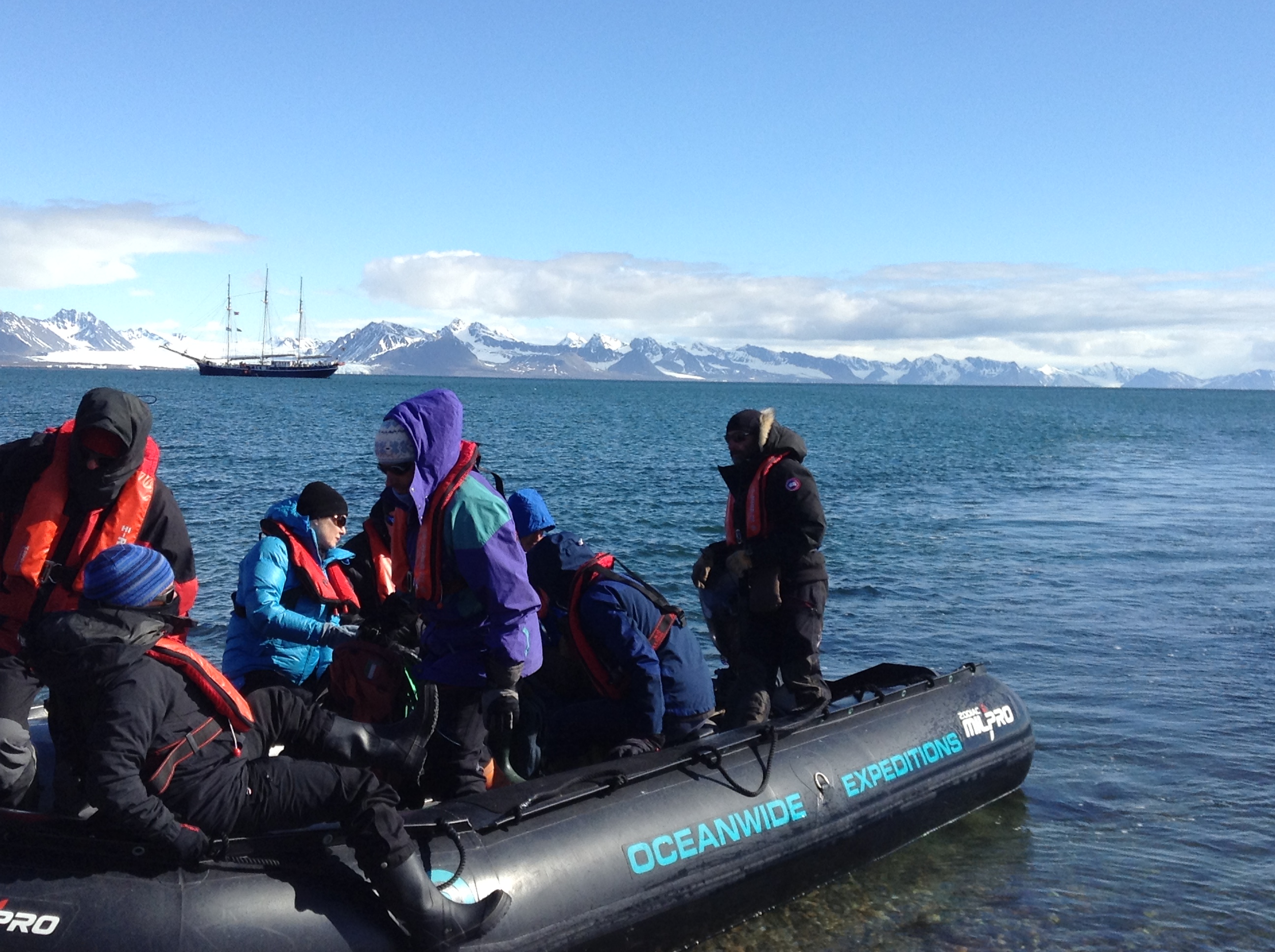
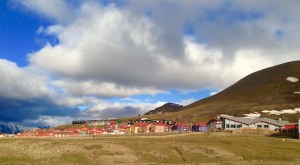
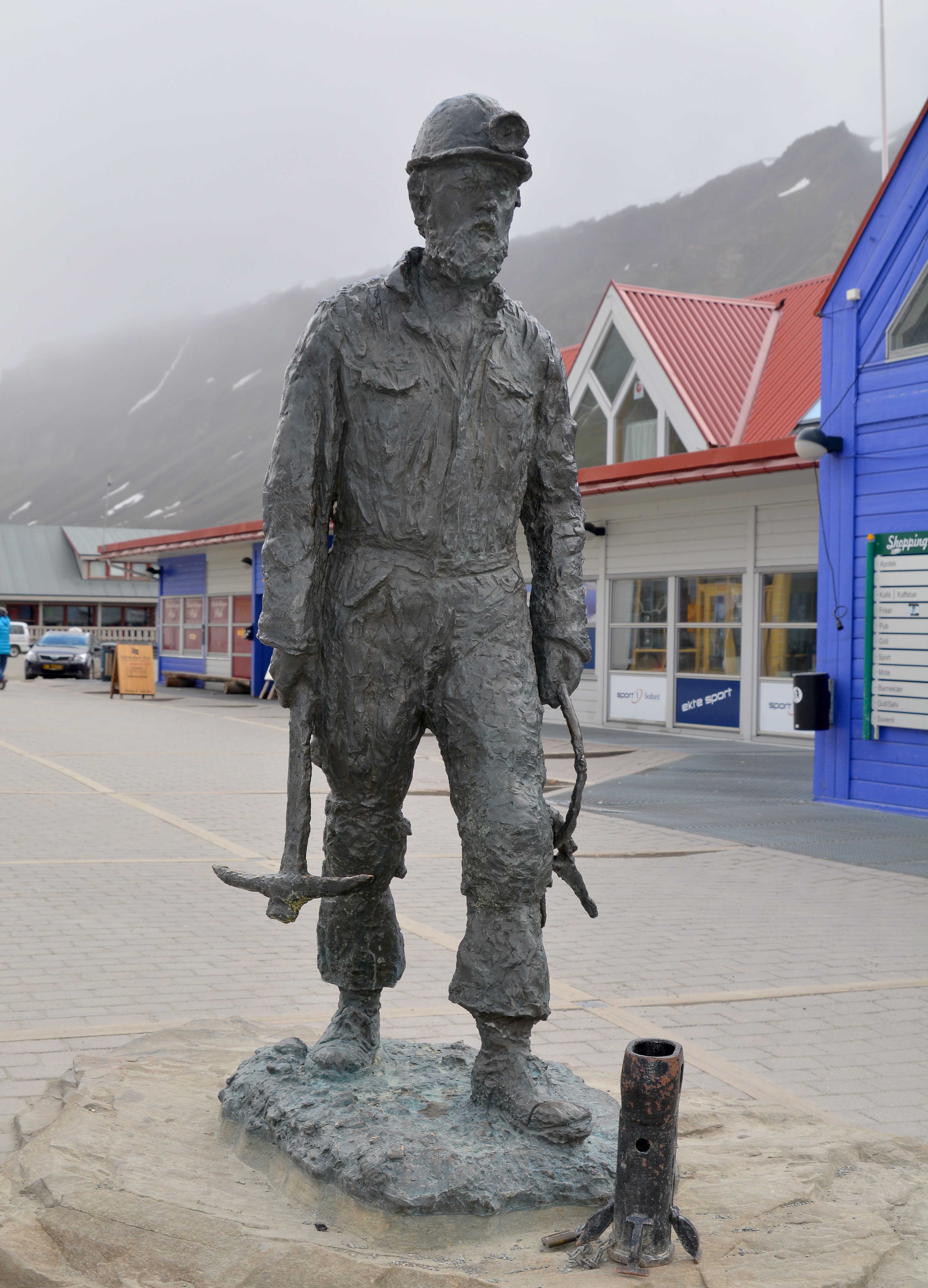
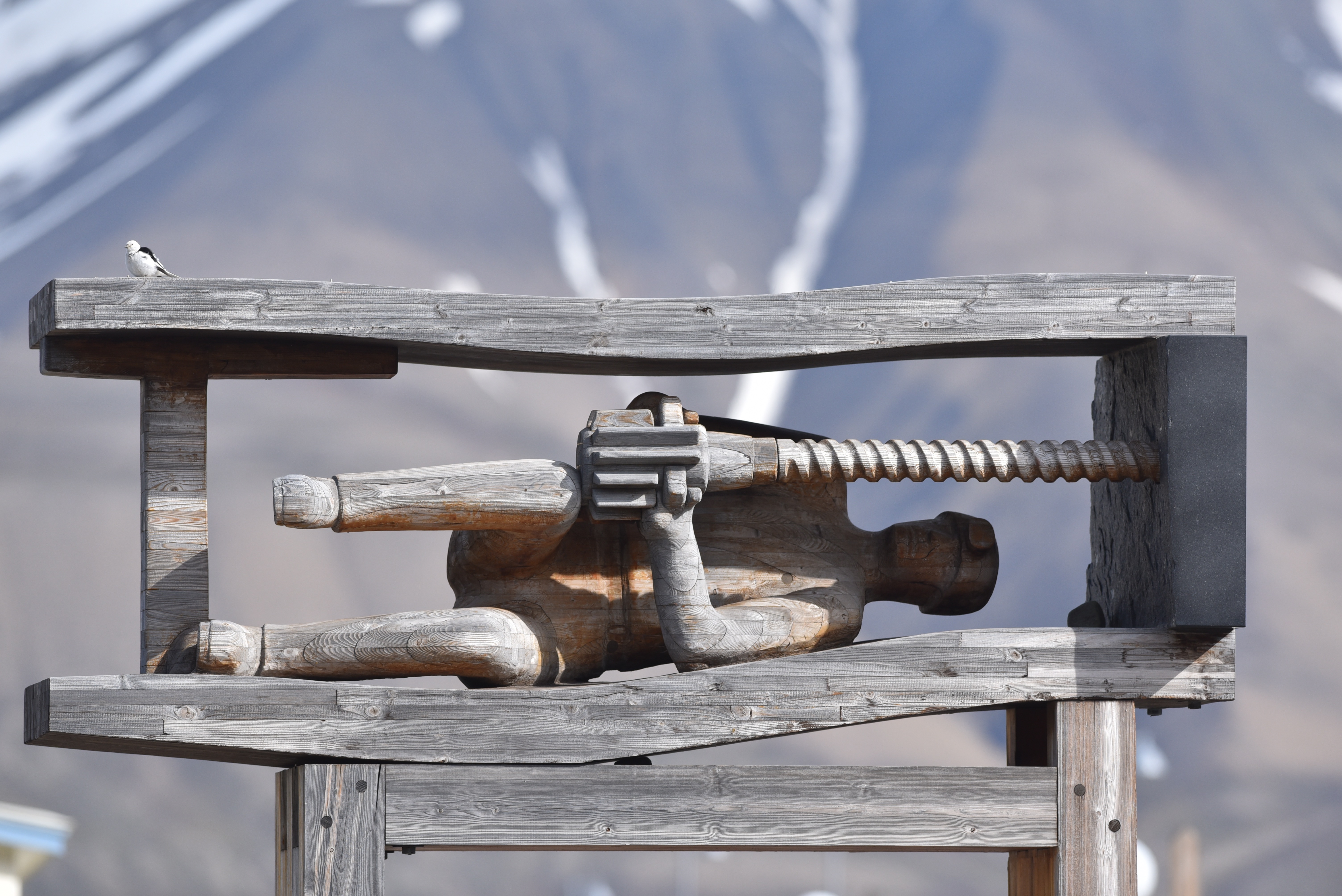
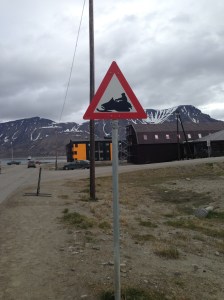

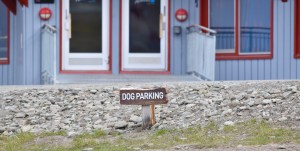
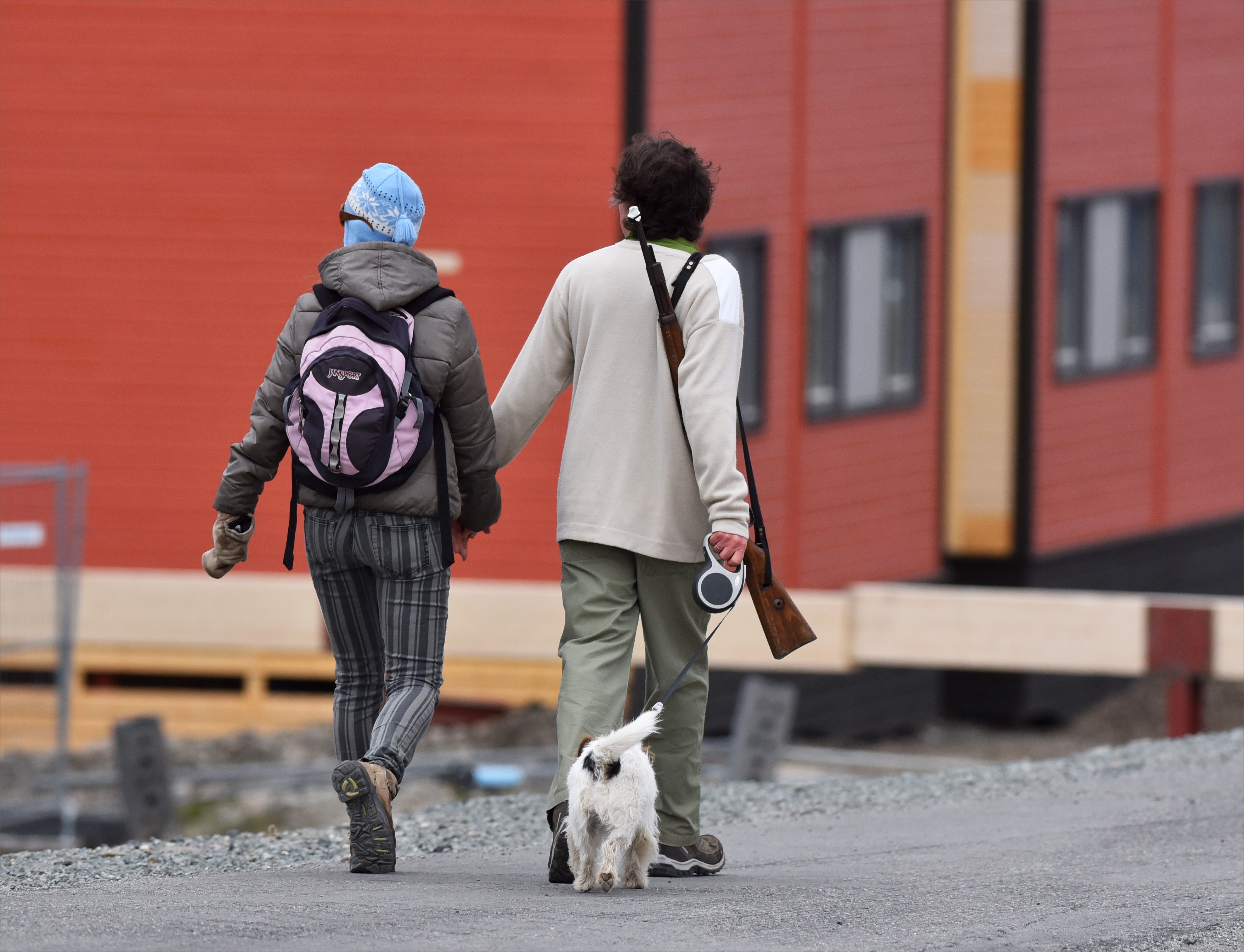
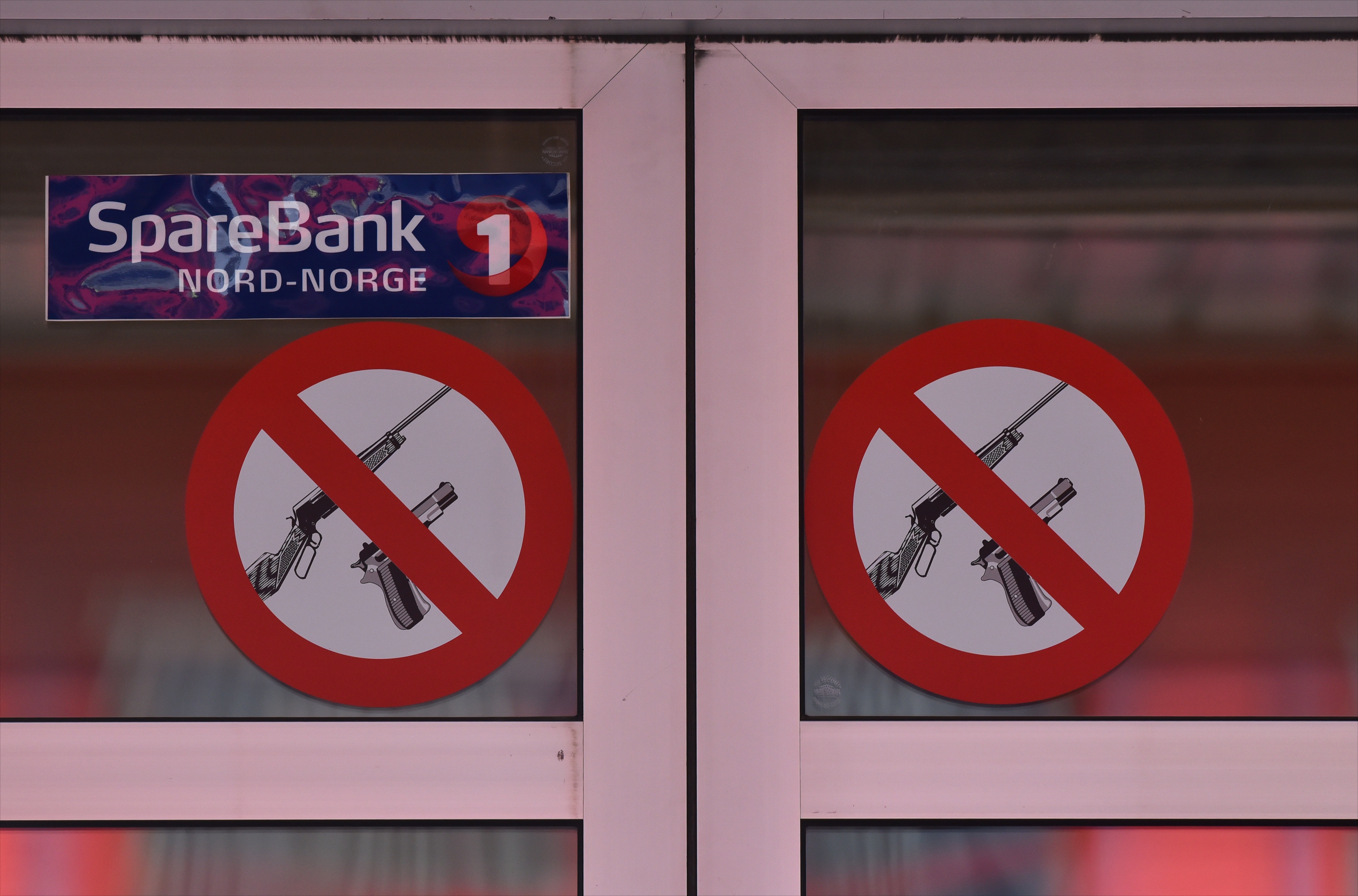
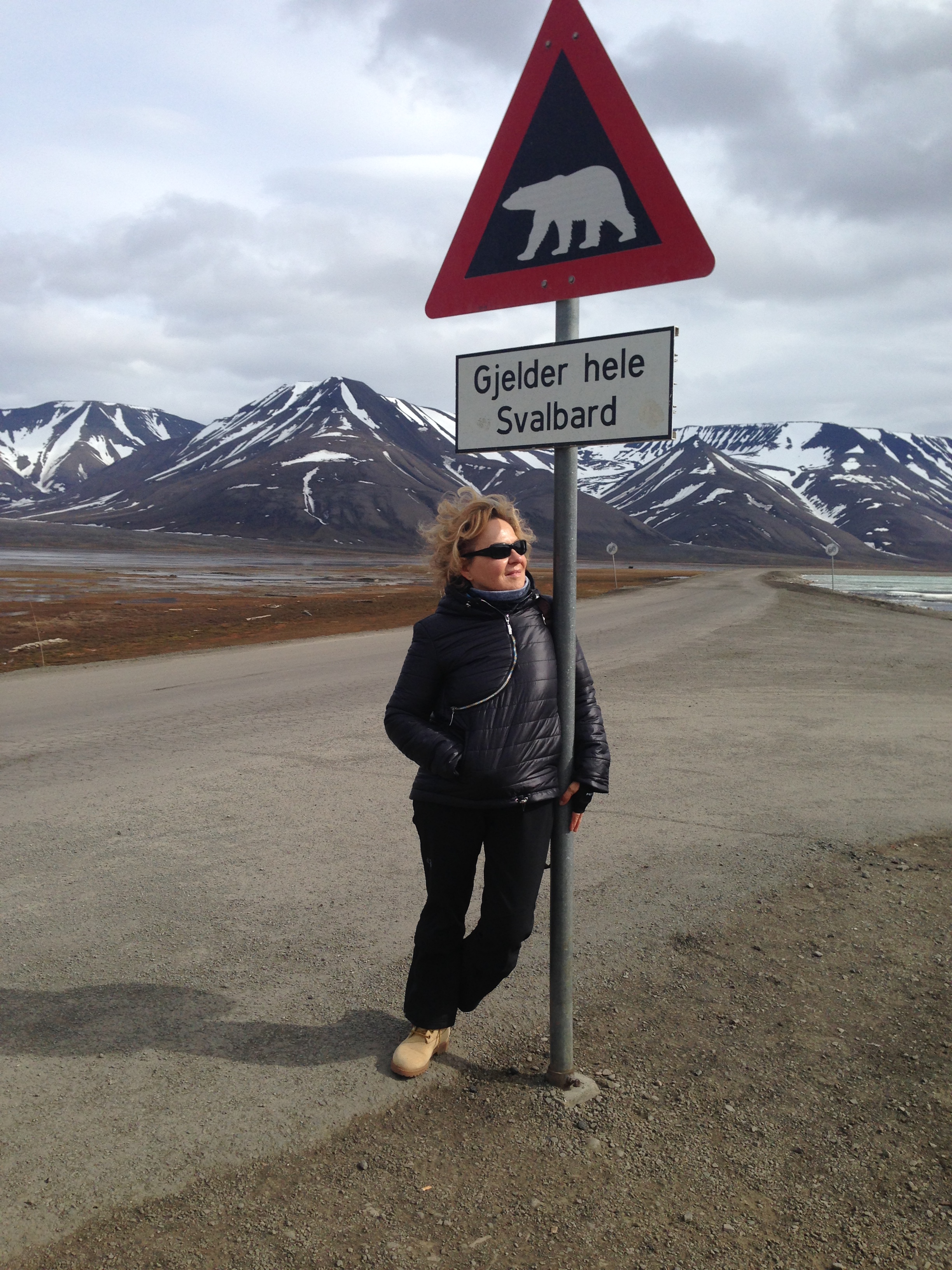
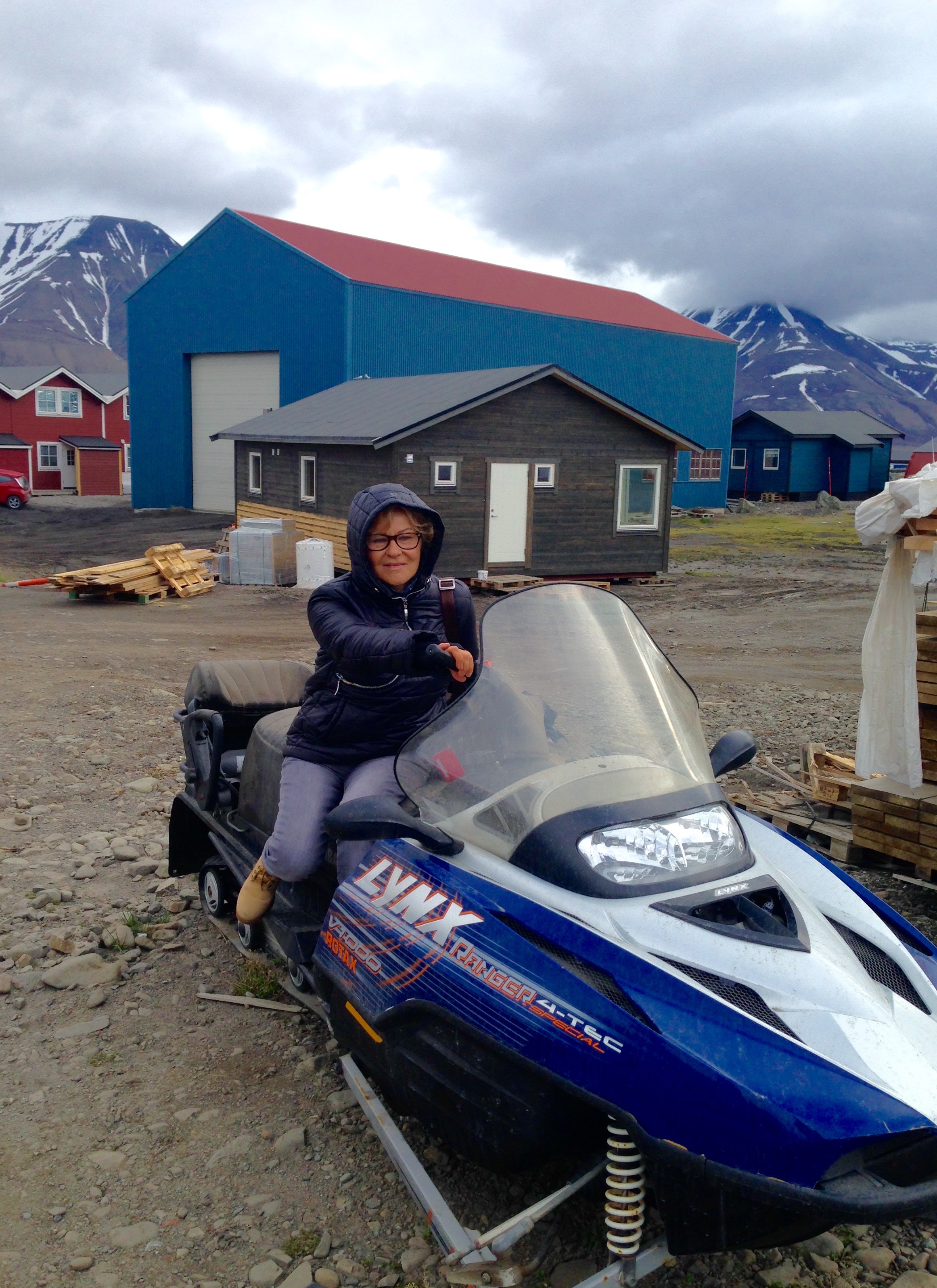
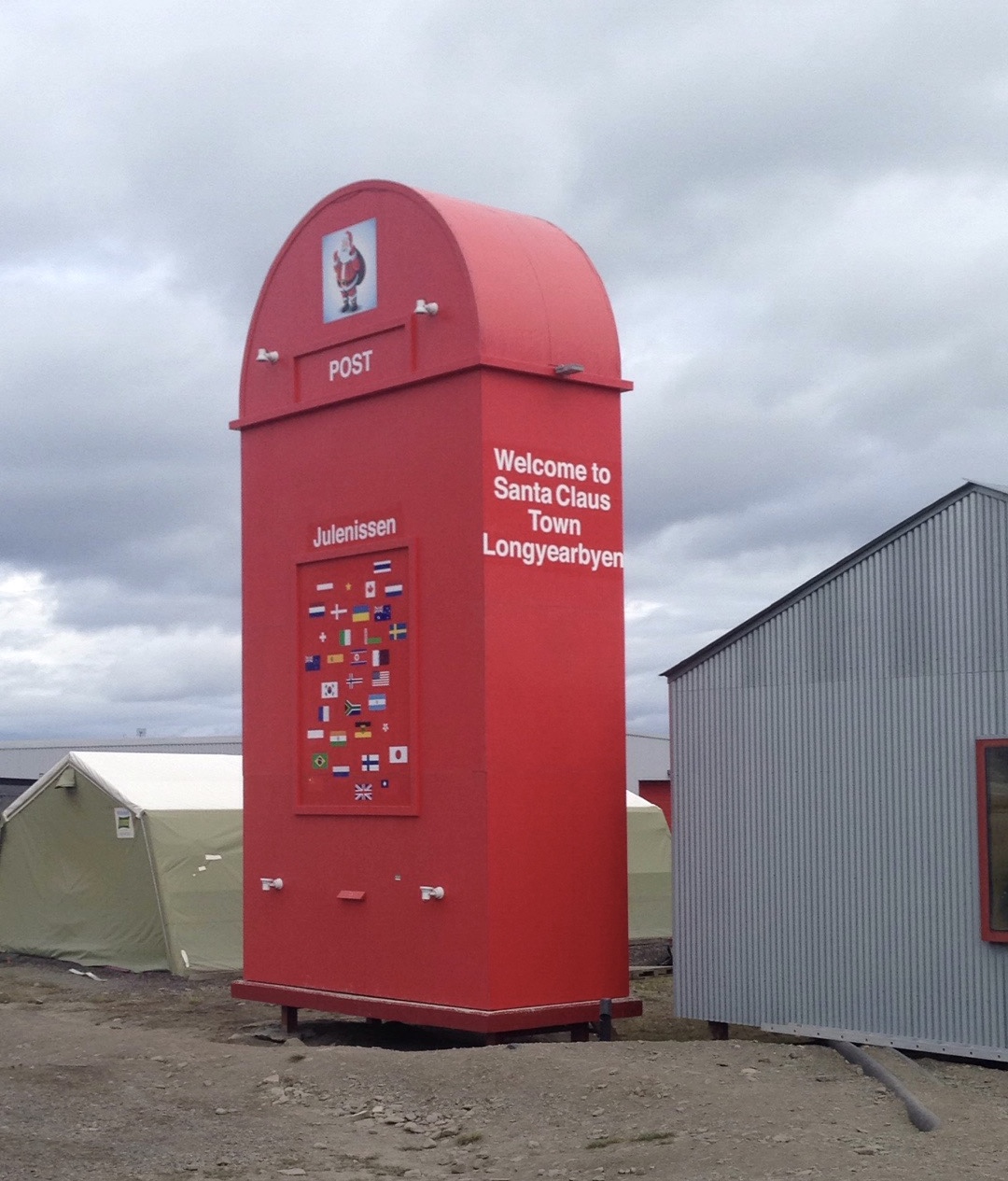
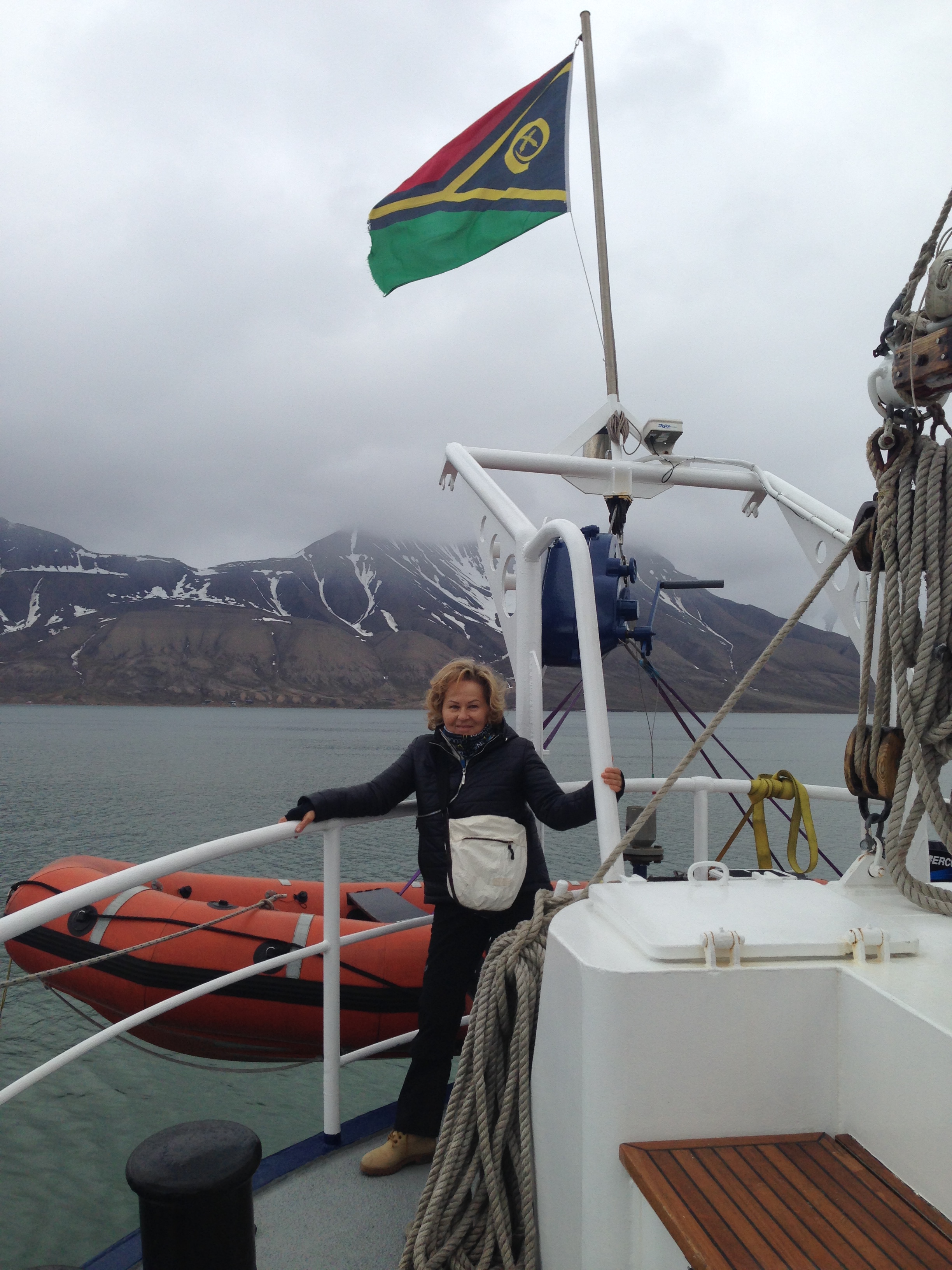
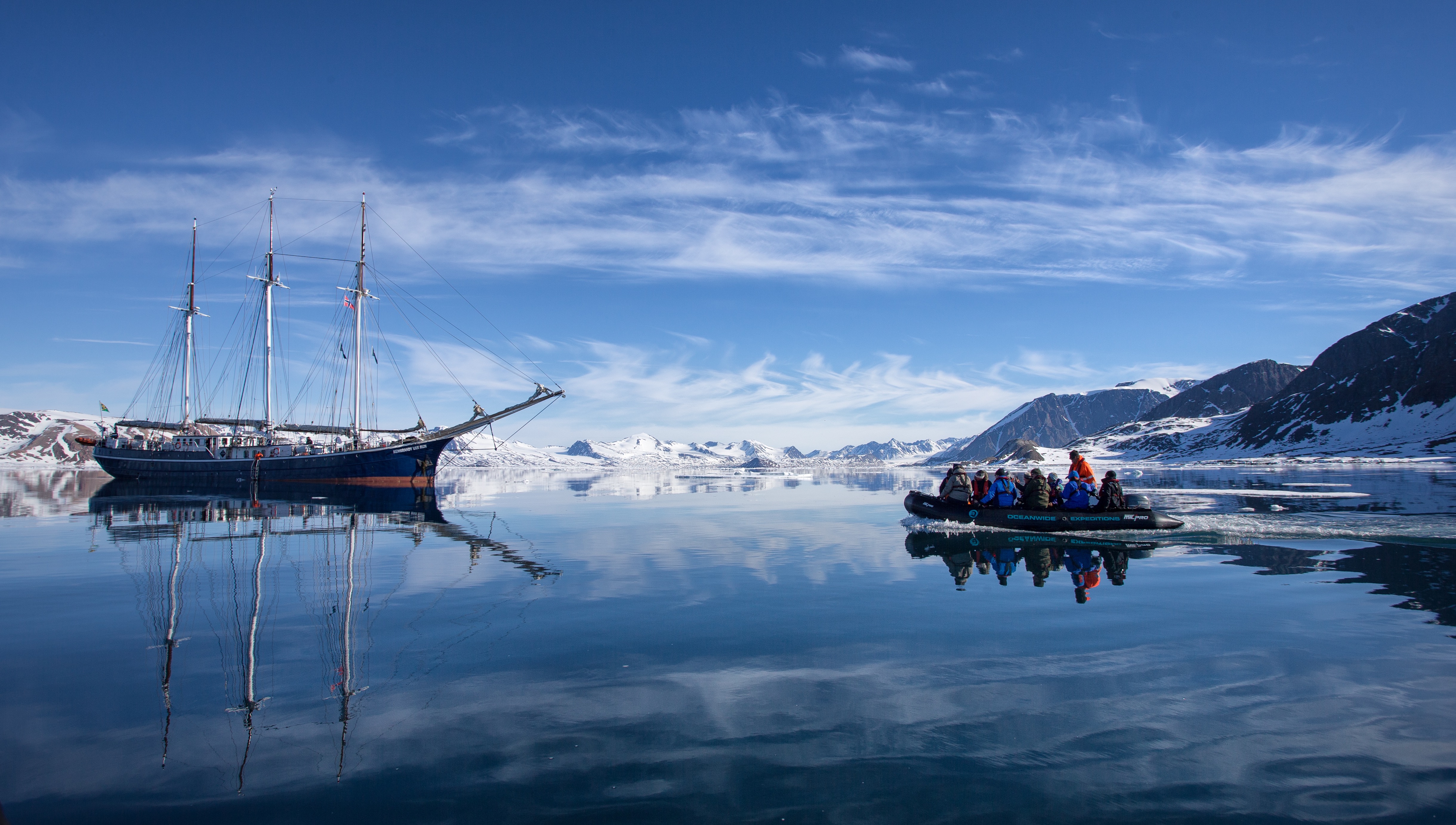
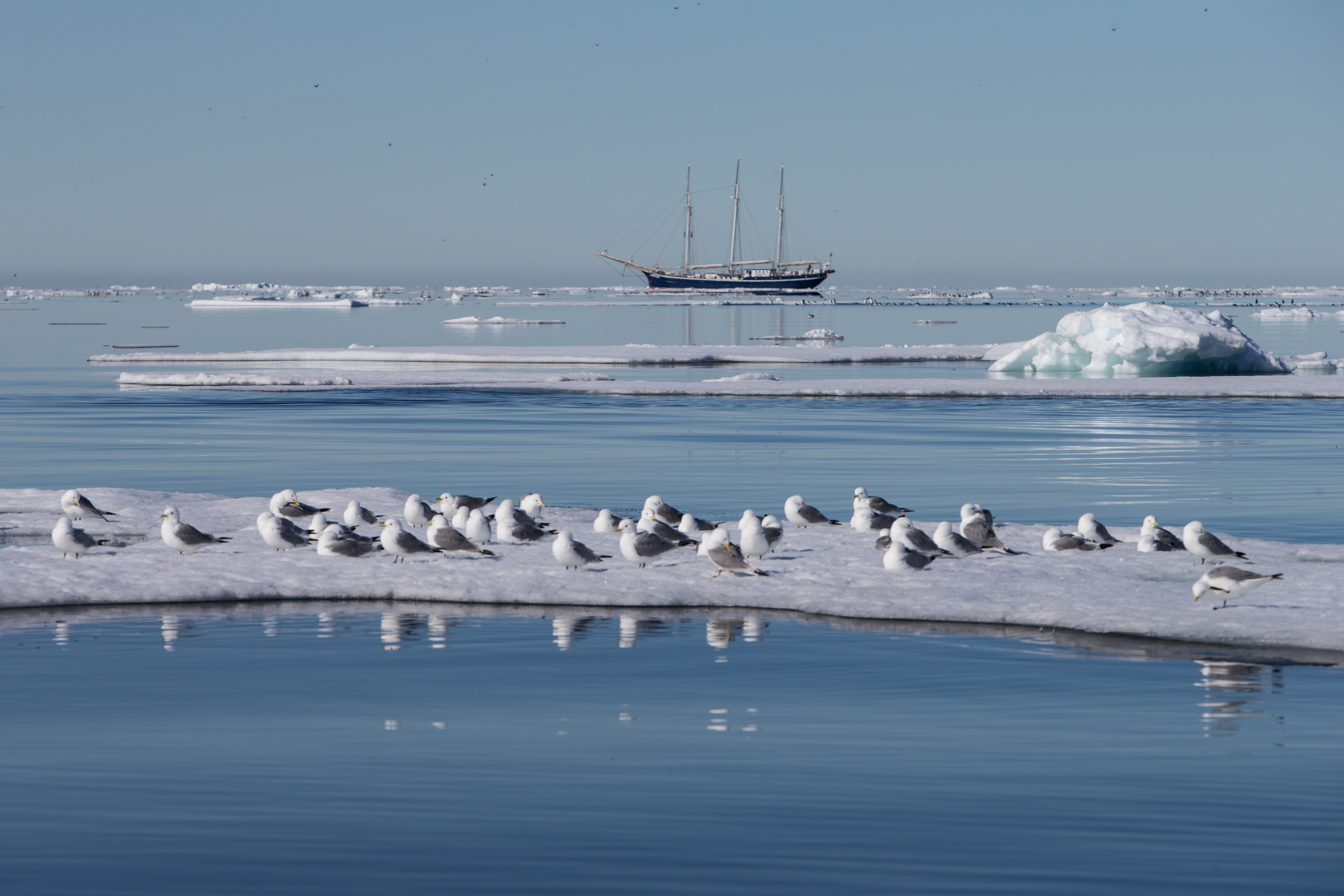
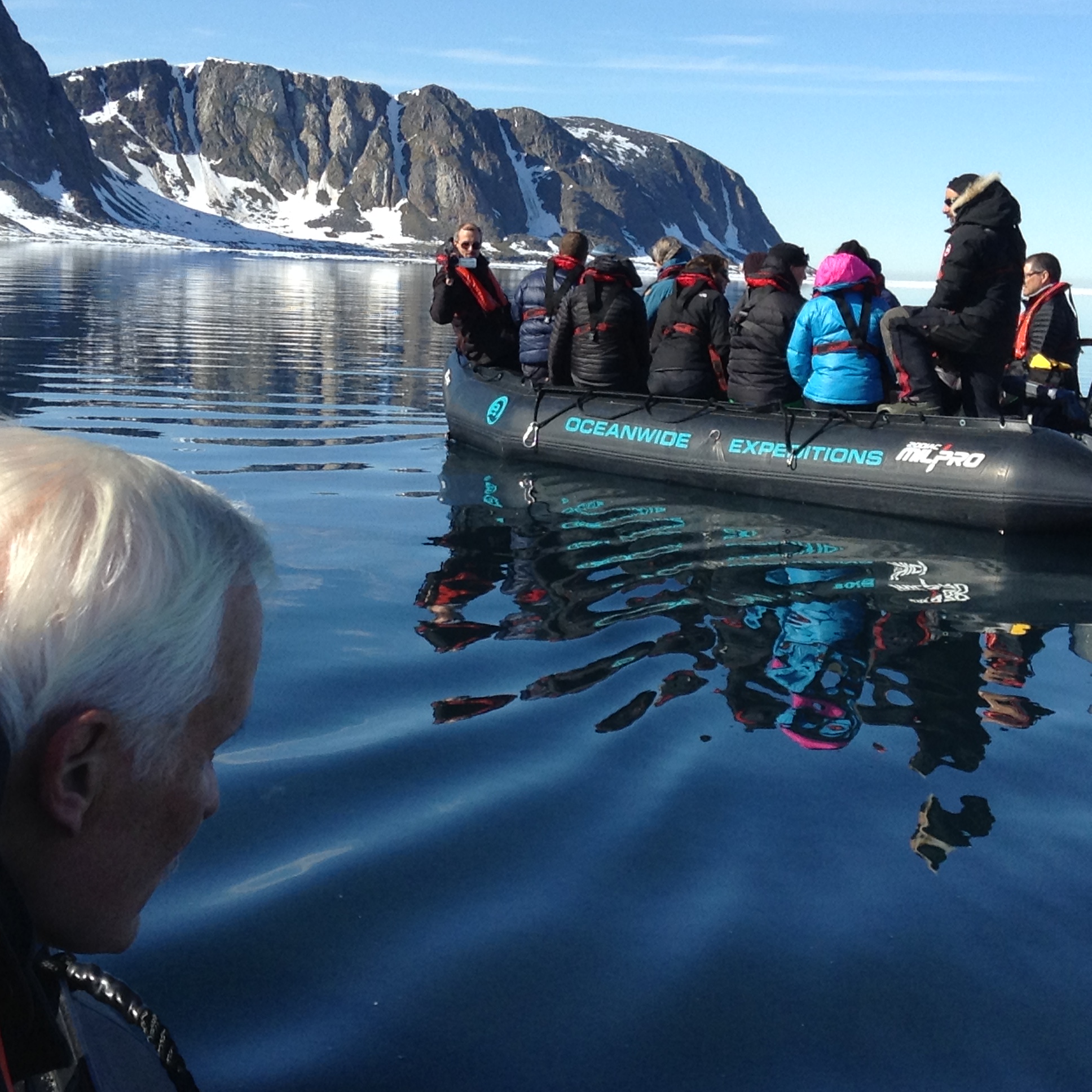
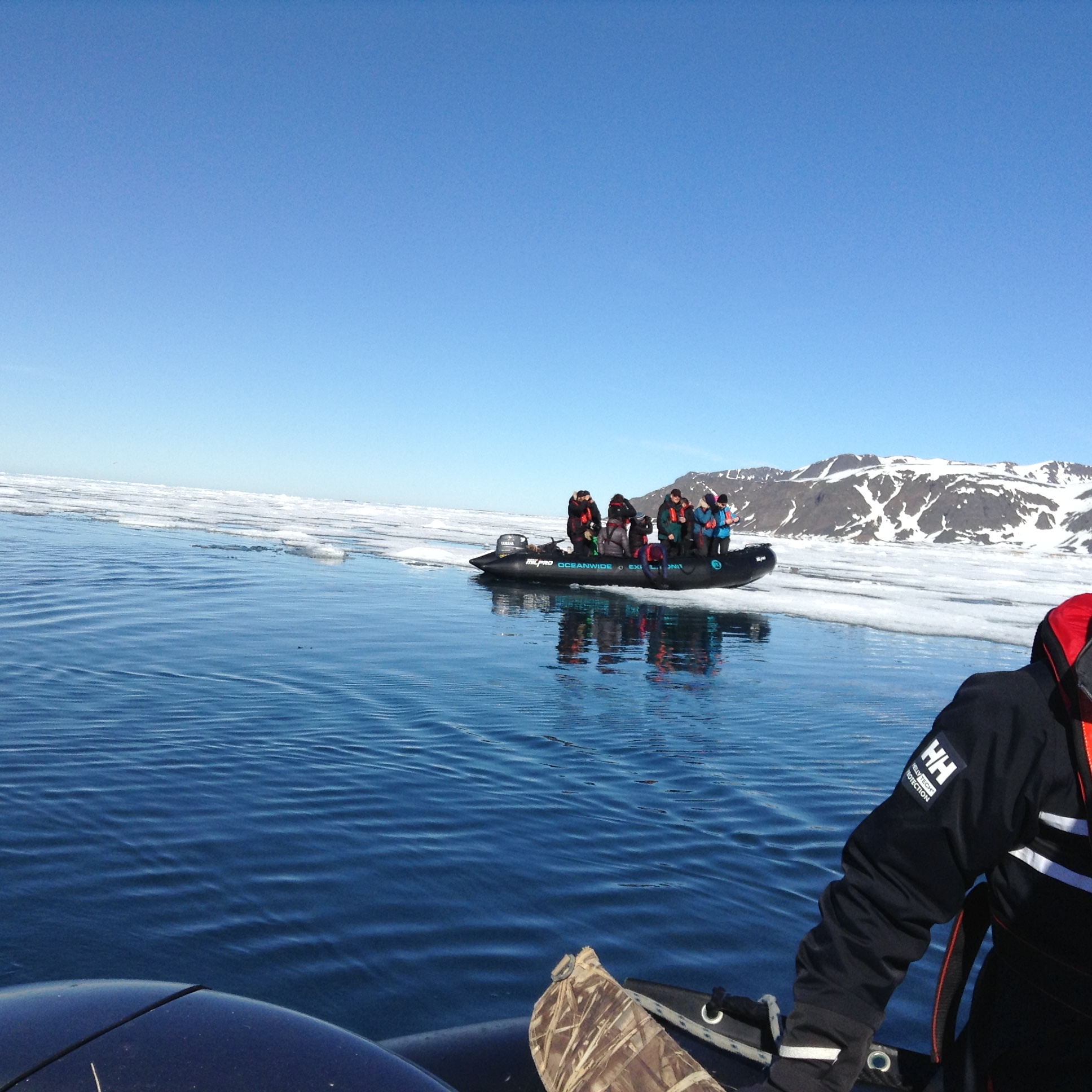
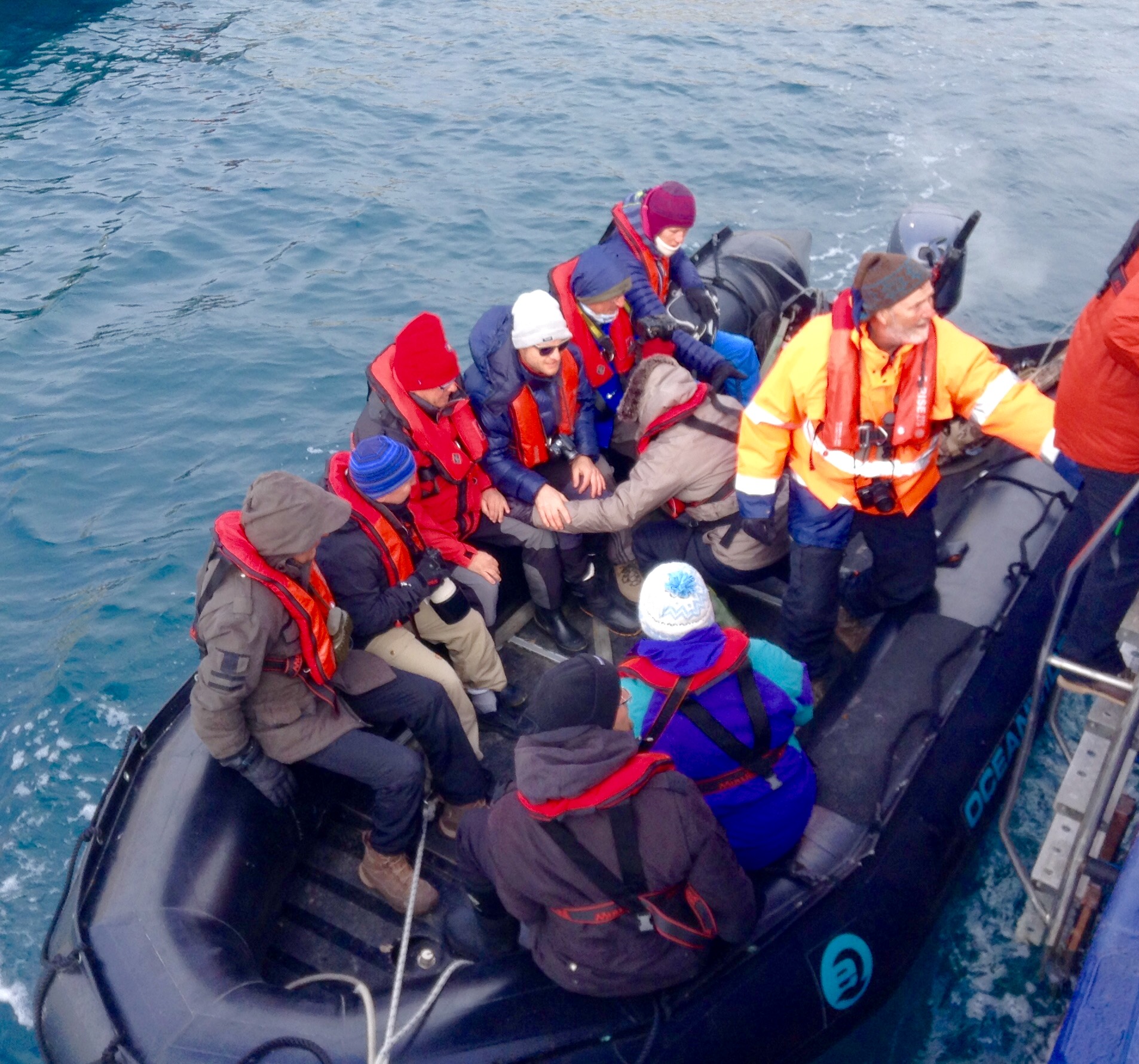
 We were welcome by the captain and all the crew and met those who were going to be our guides, Jordi and Adam, for the whole period as well as all the other 27 passengers coming from different world countries. After the “Safety and sea” briefing and “Abandon Ship” demonstration we were ready to sail.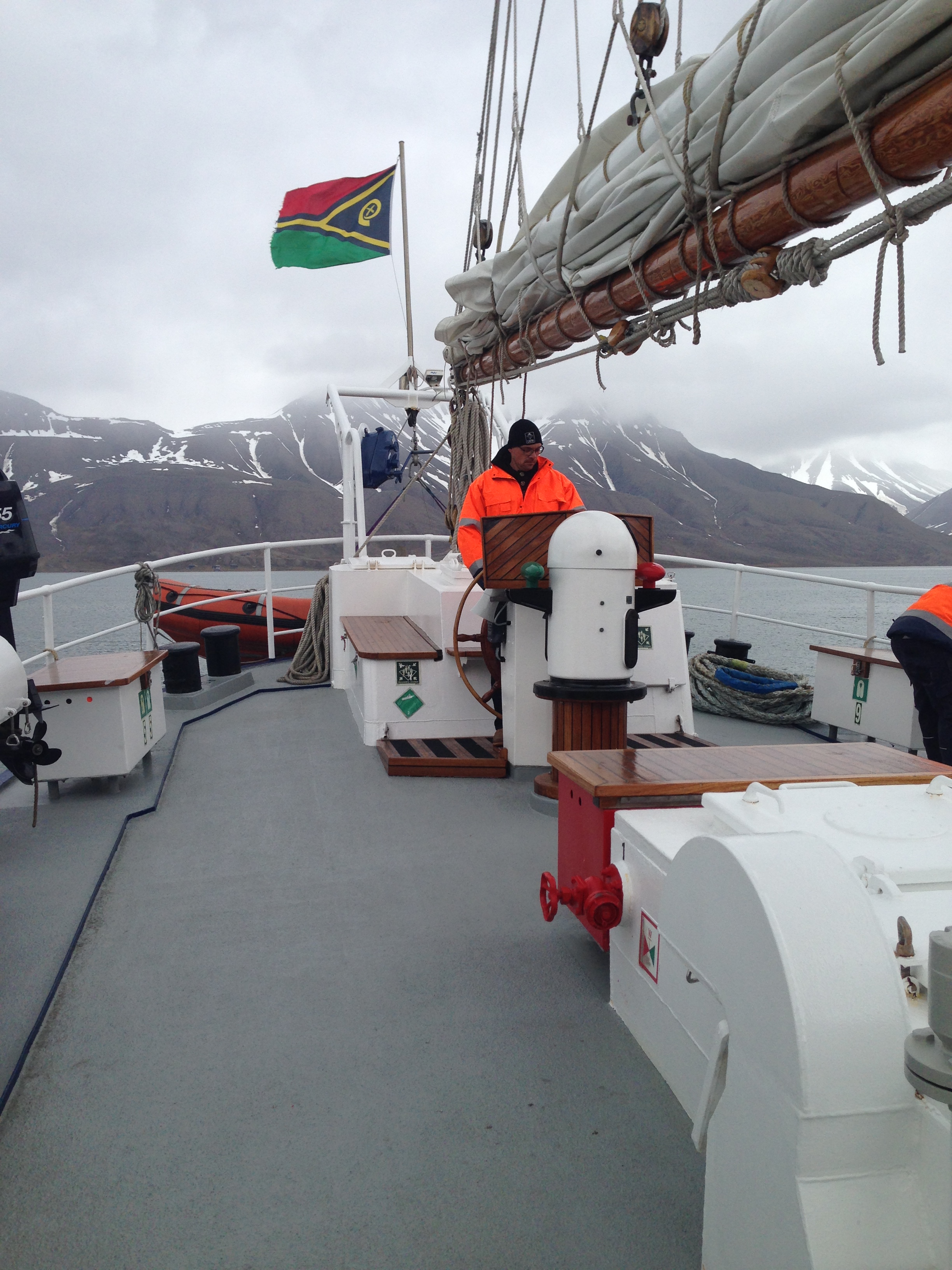
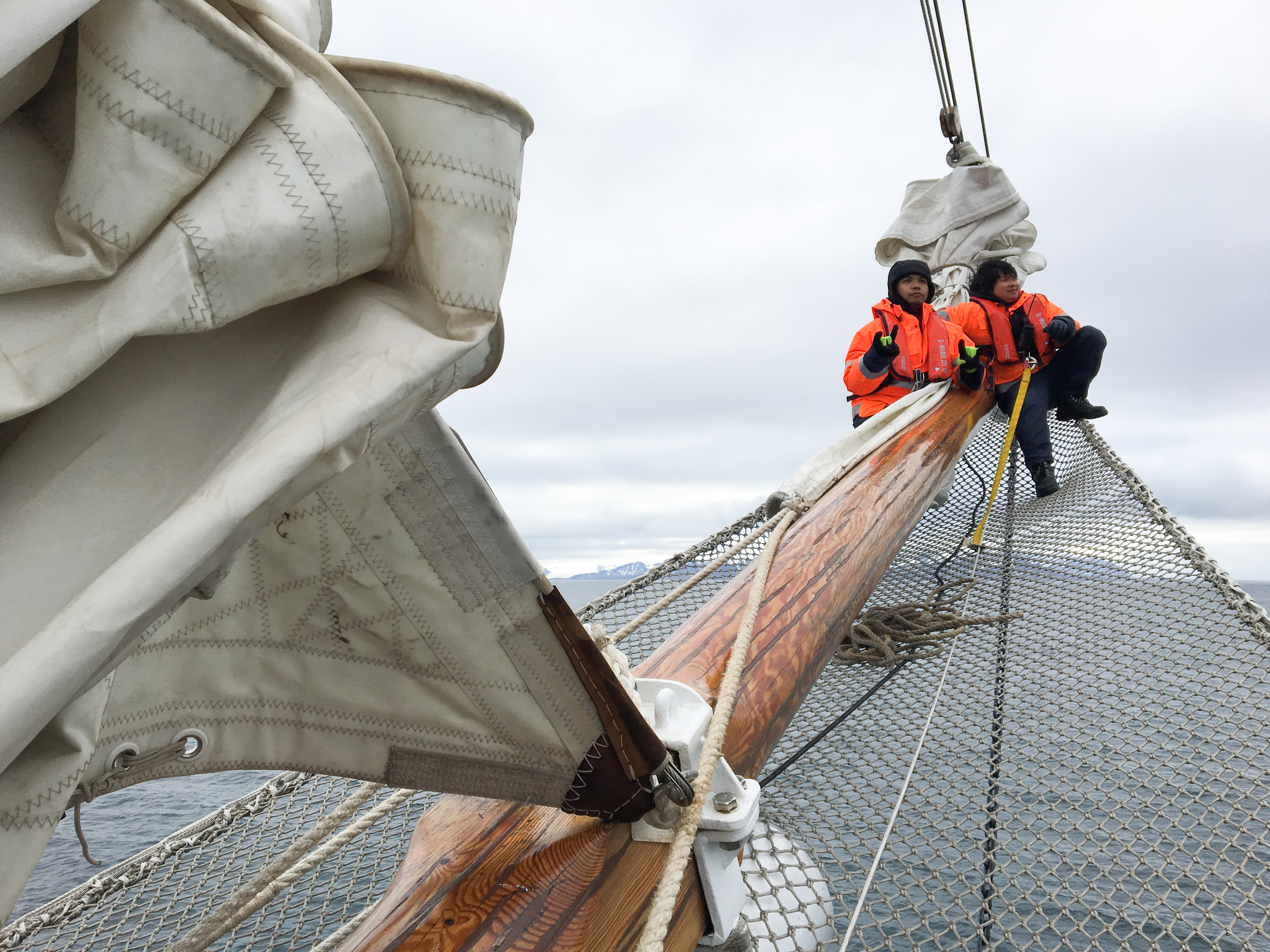


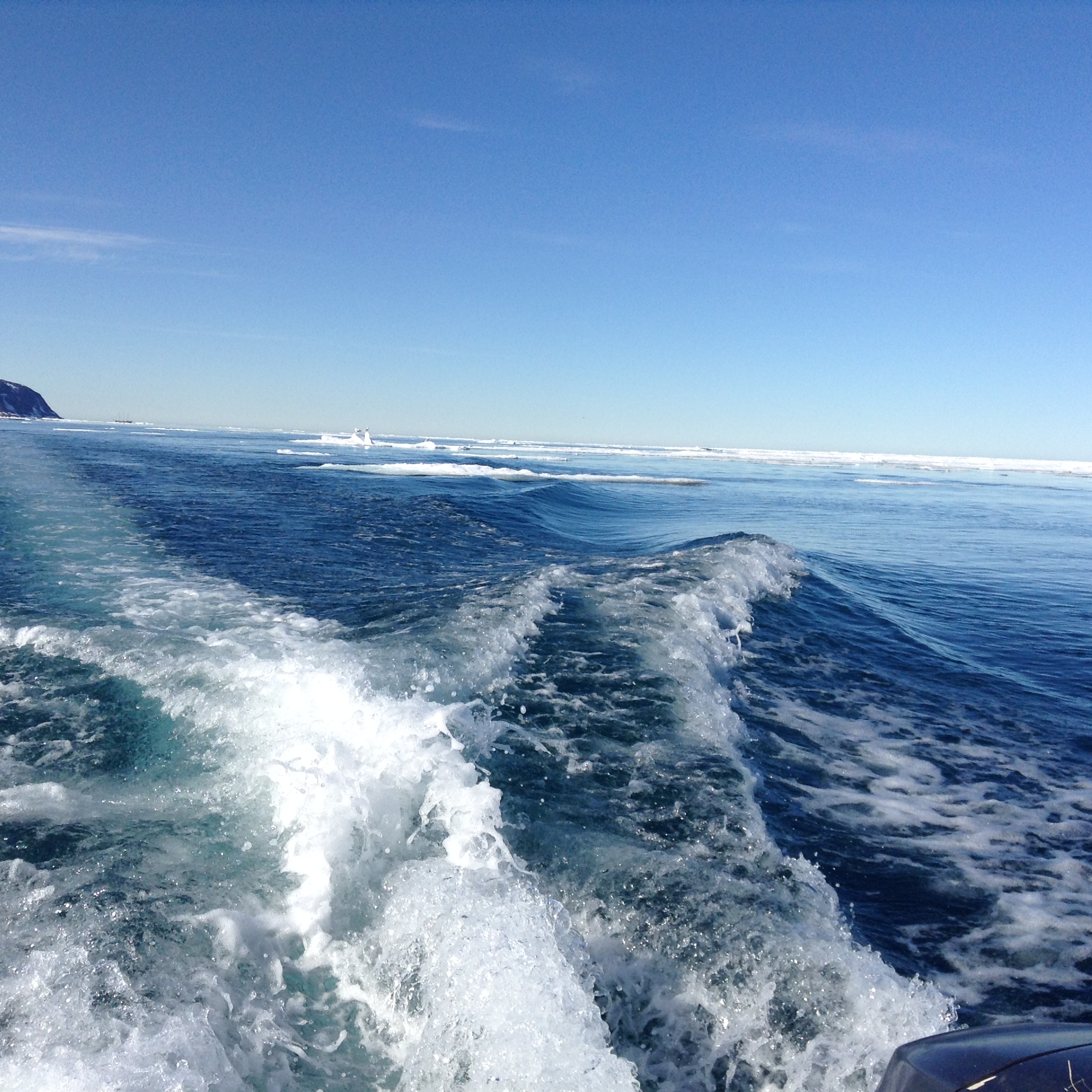
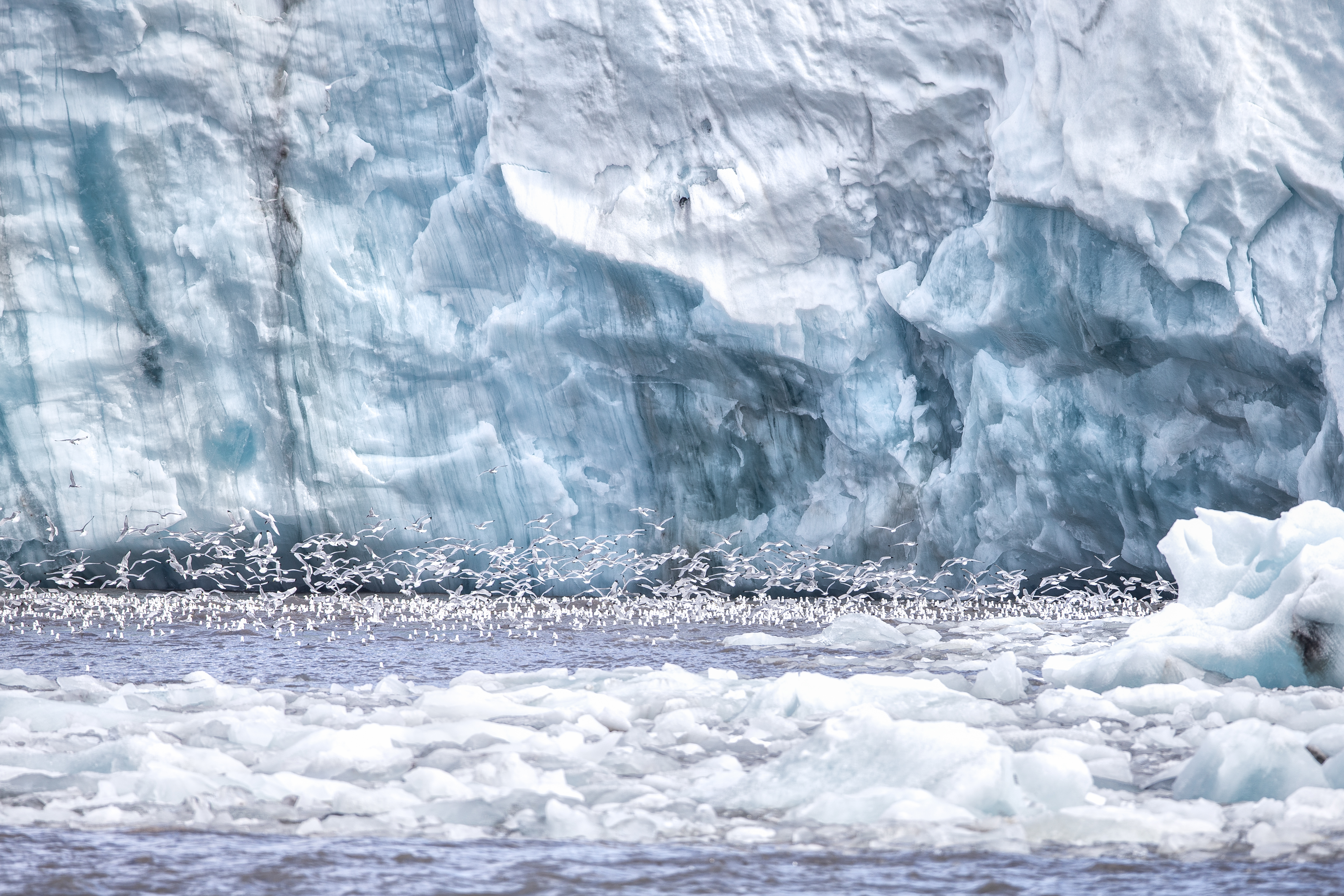
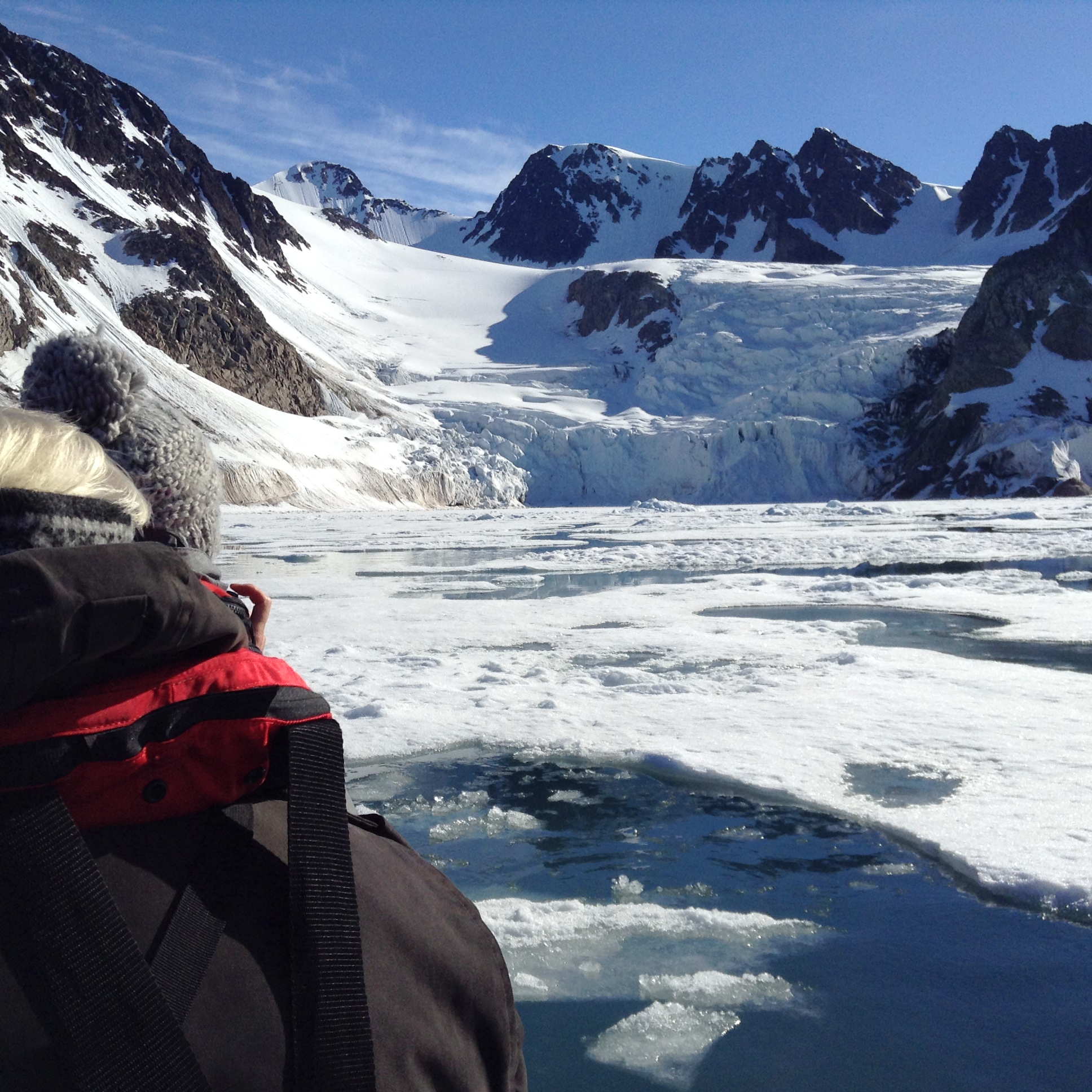
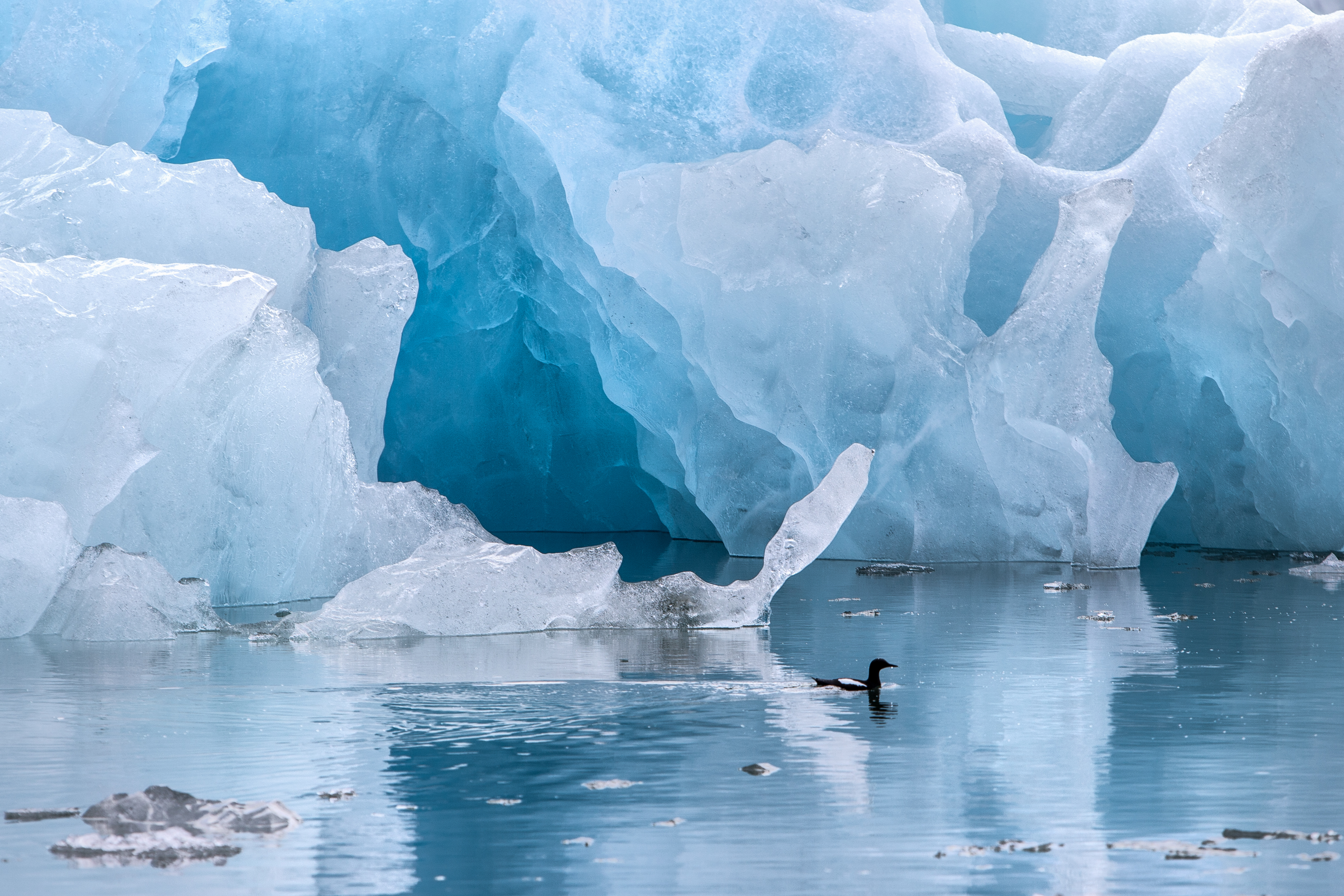
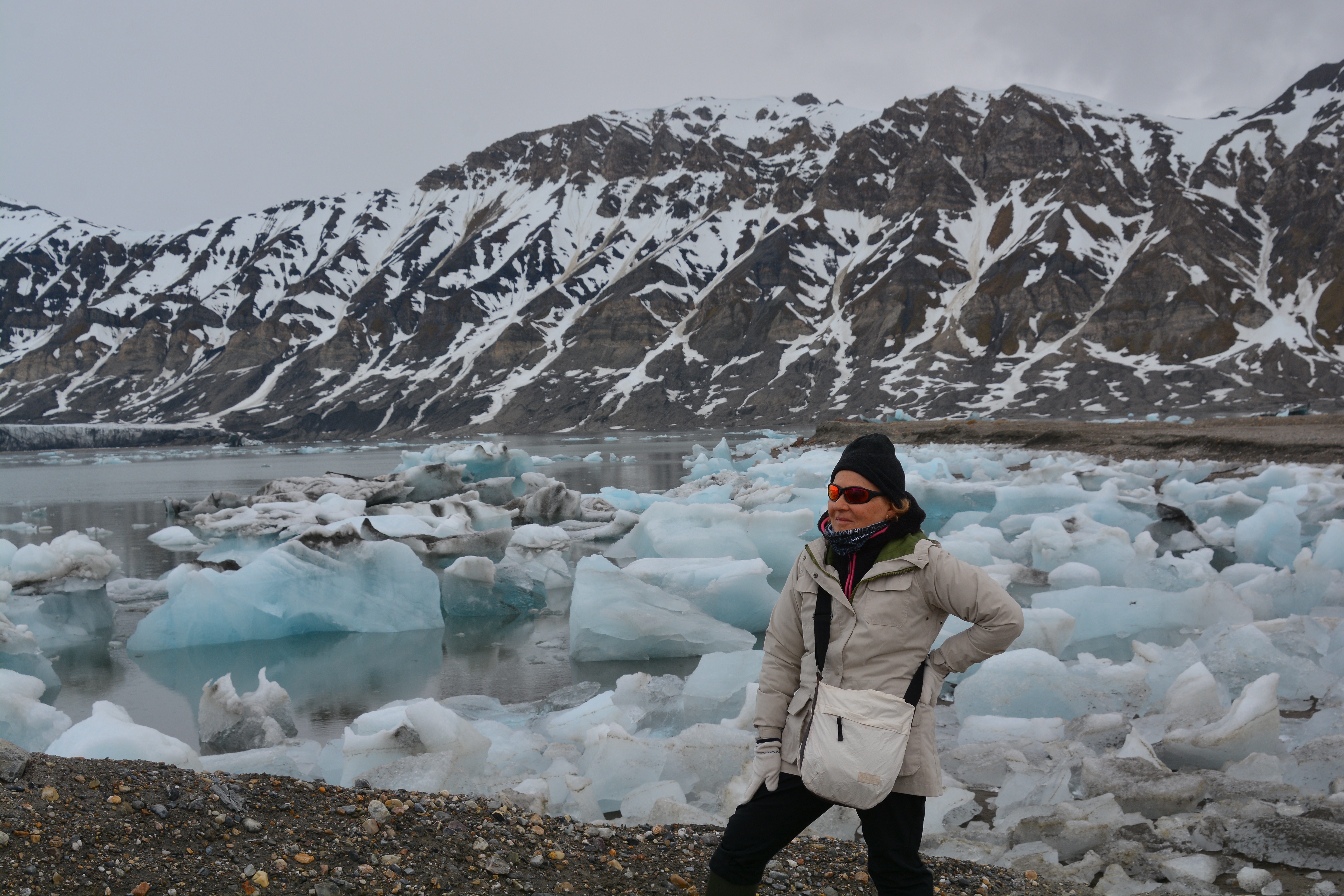
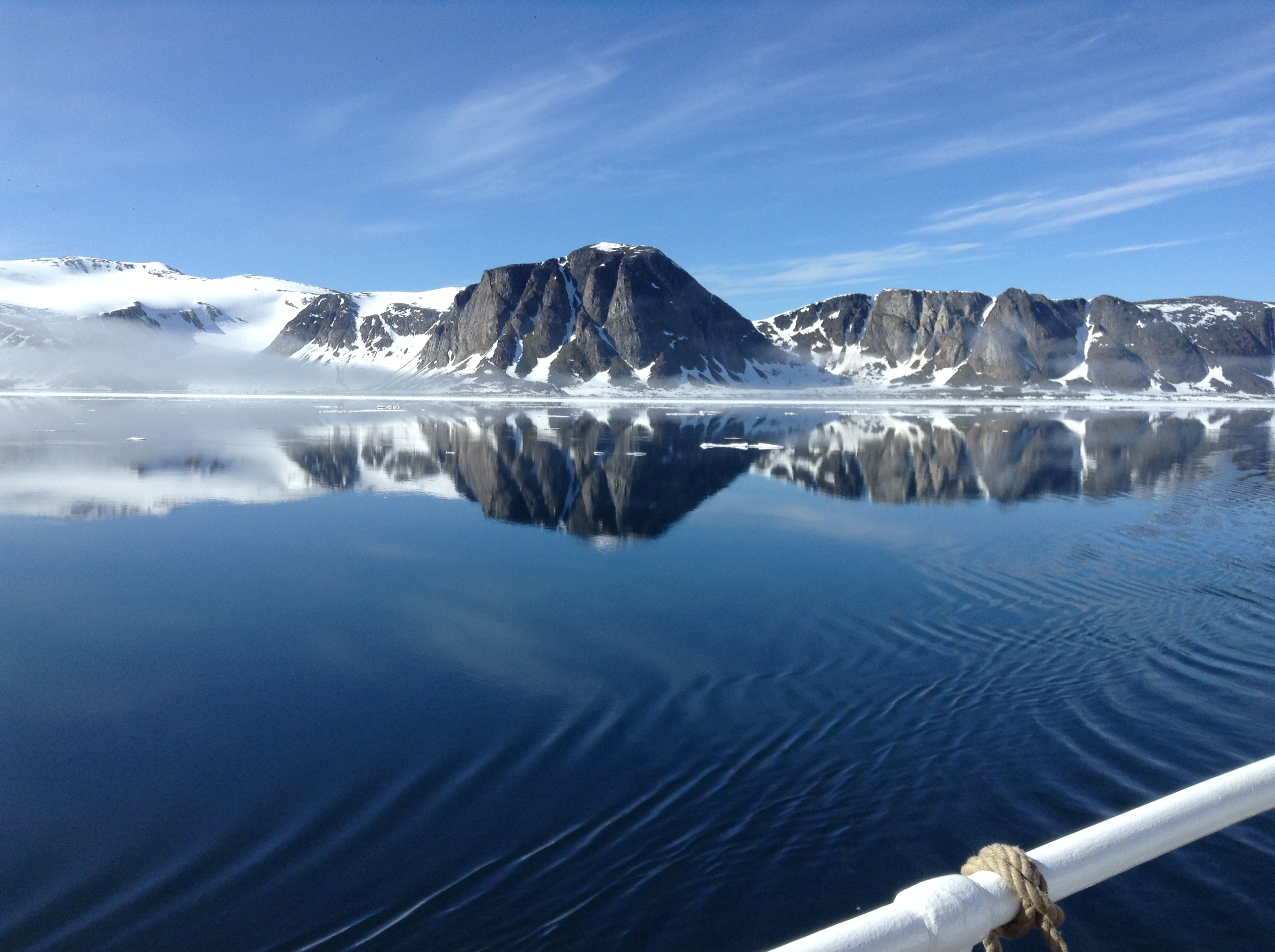
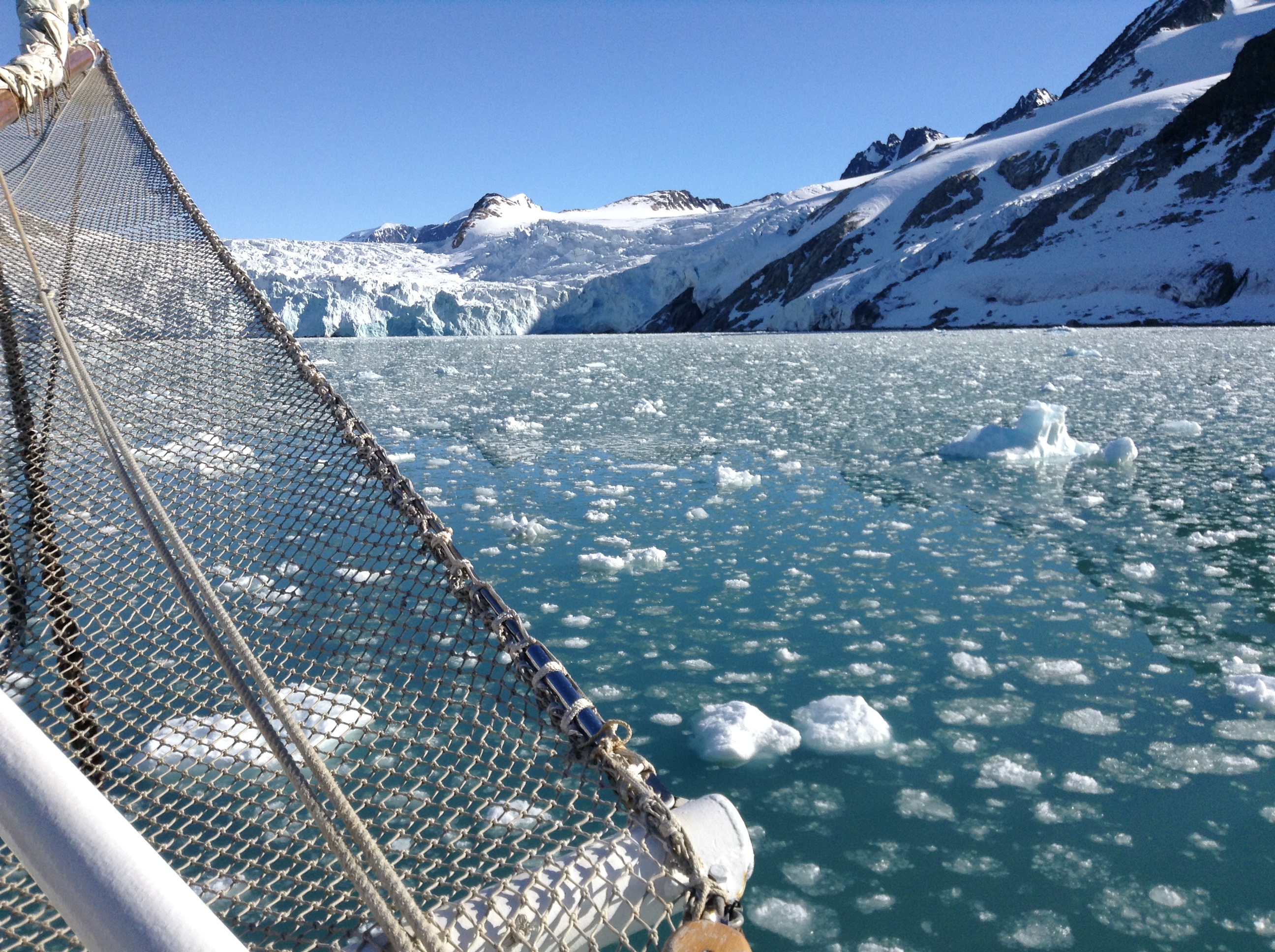
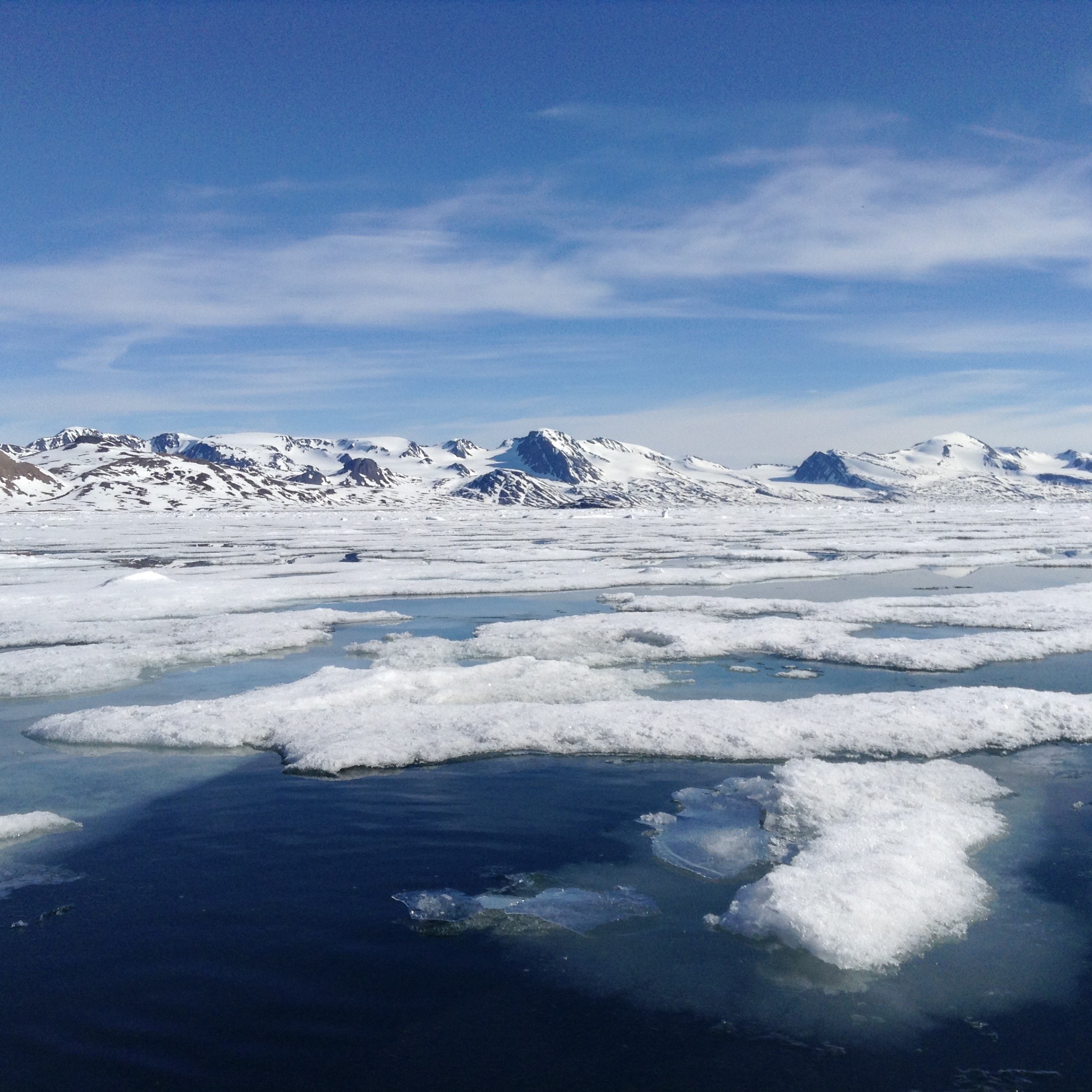
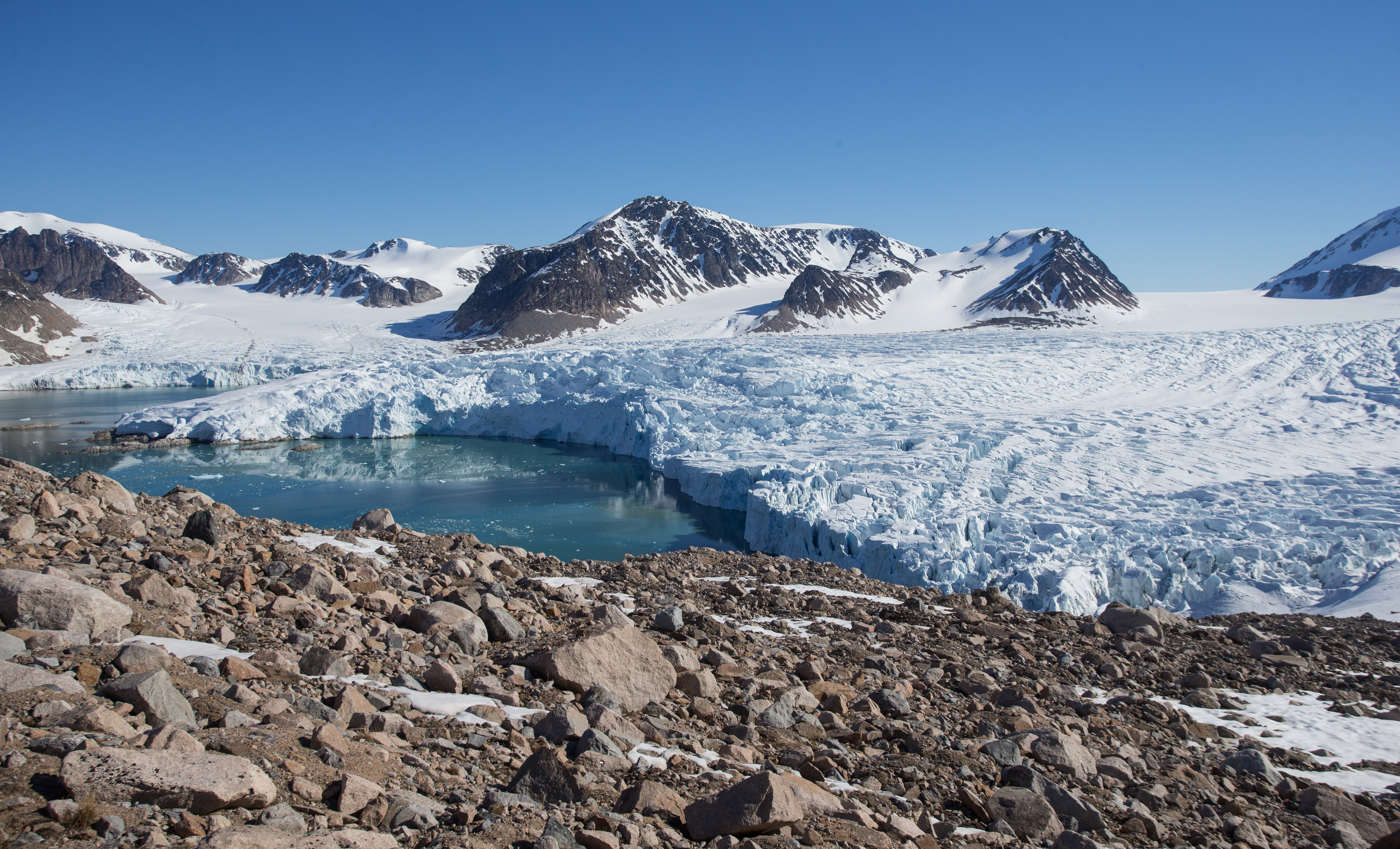 THE GLACIERS: we had the opportunity to visit and see closely many glaciers, such as the Murraybreen Glacier of great scenic beauty and located at the eastern side of Prince Charles Island; the Horusund Glacier, considered to be the largest one; the Smeerenbugbreen located in the same fjord in the NW corner; the Gullybreen glacier in the Magdalena fjord; the 14th of July glacier, name that pays homage to the French National Day and located in the Krossfjord.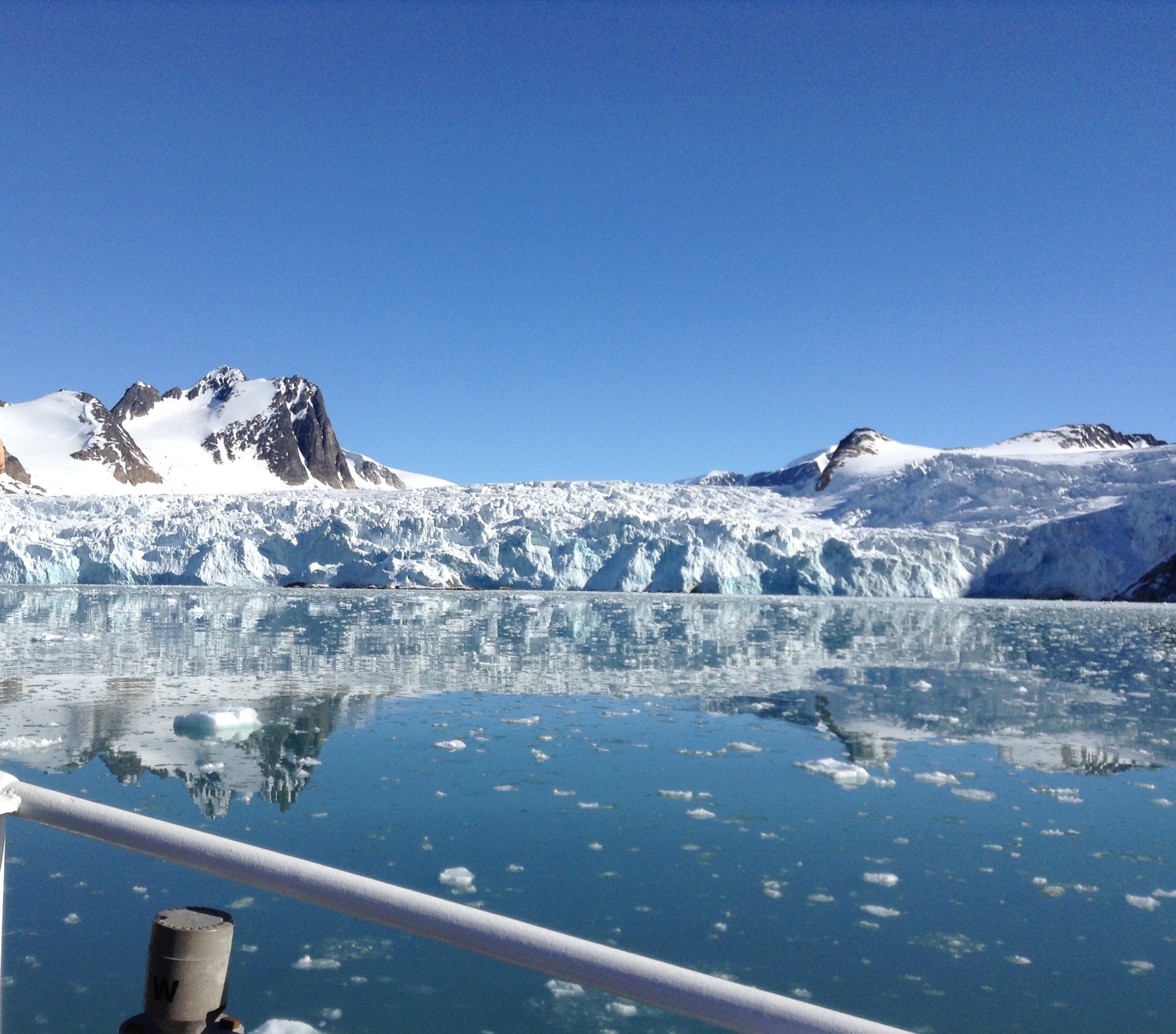
 .
.
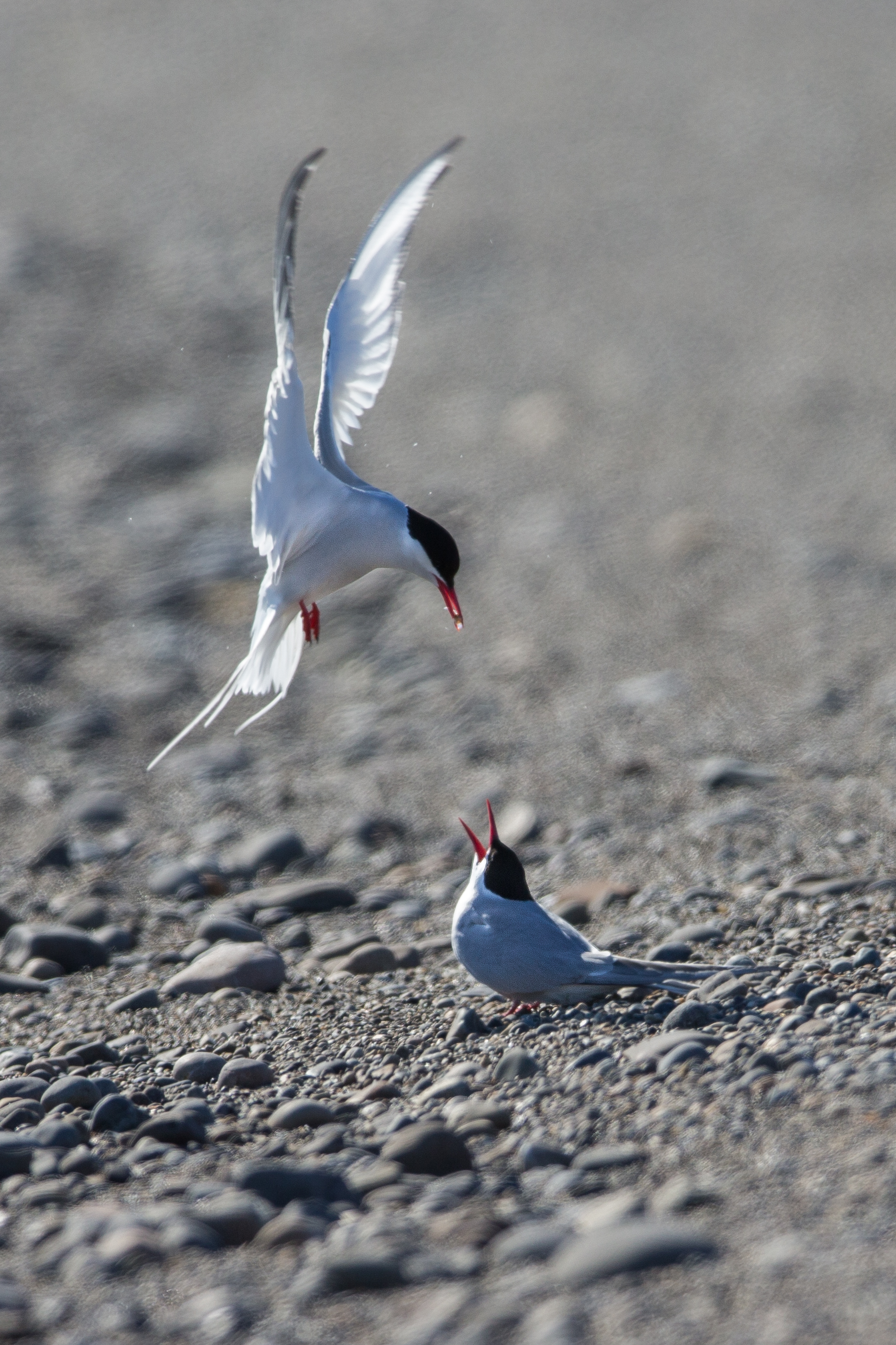
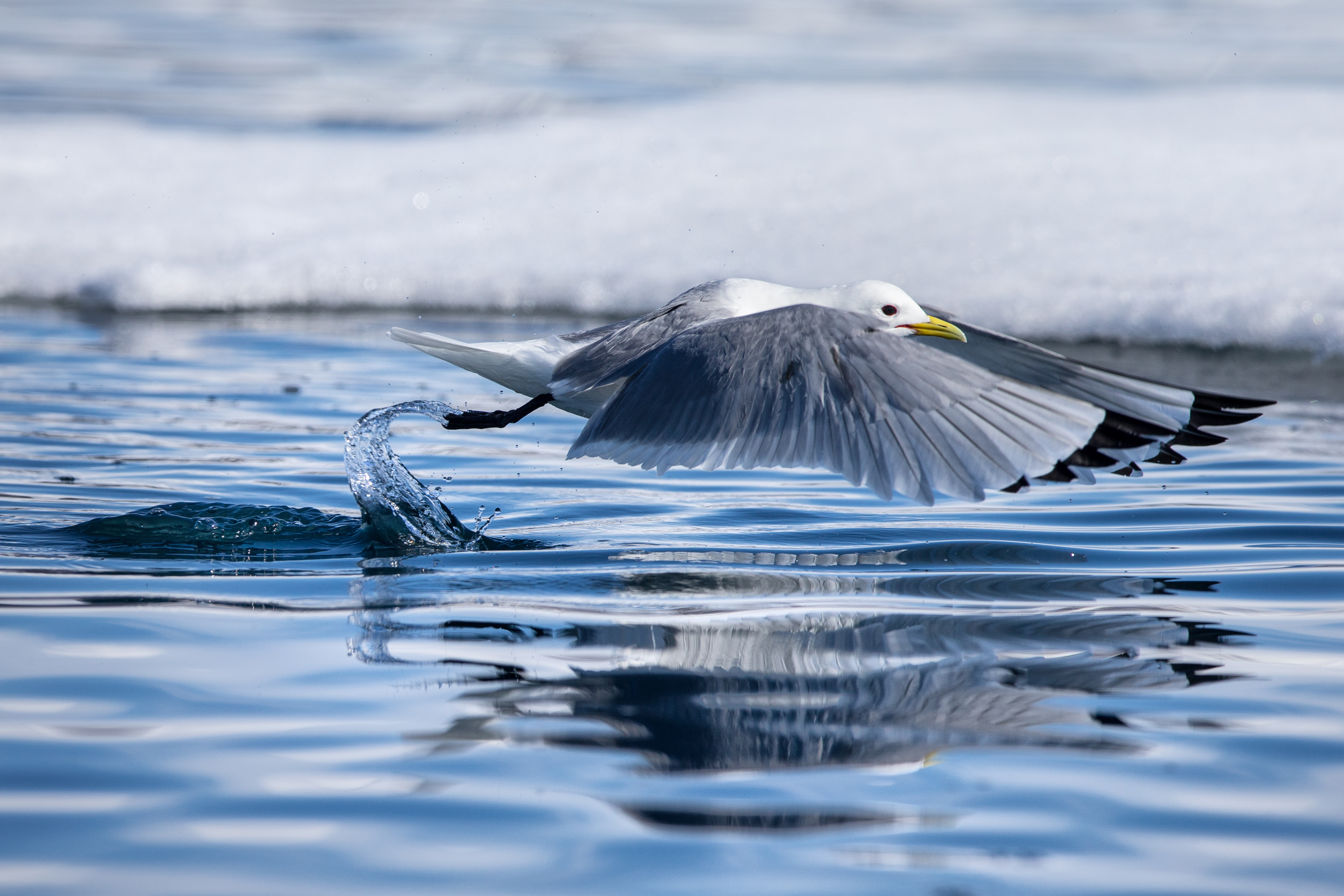
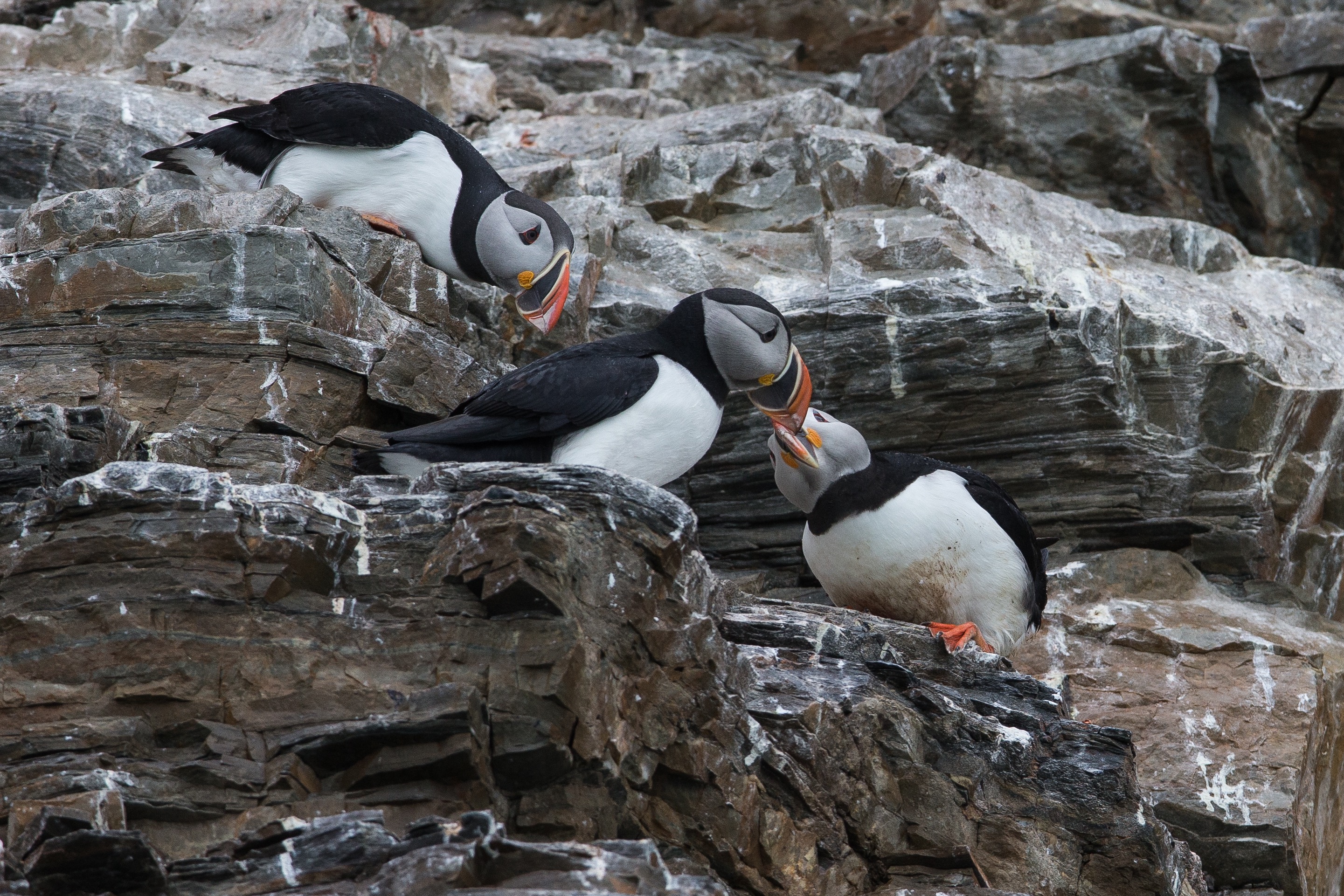
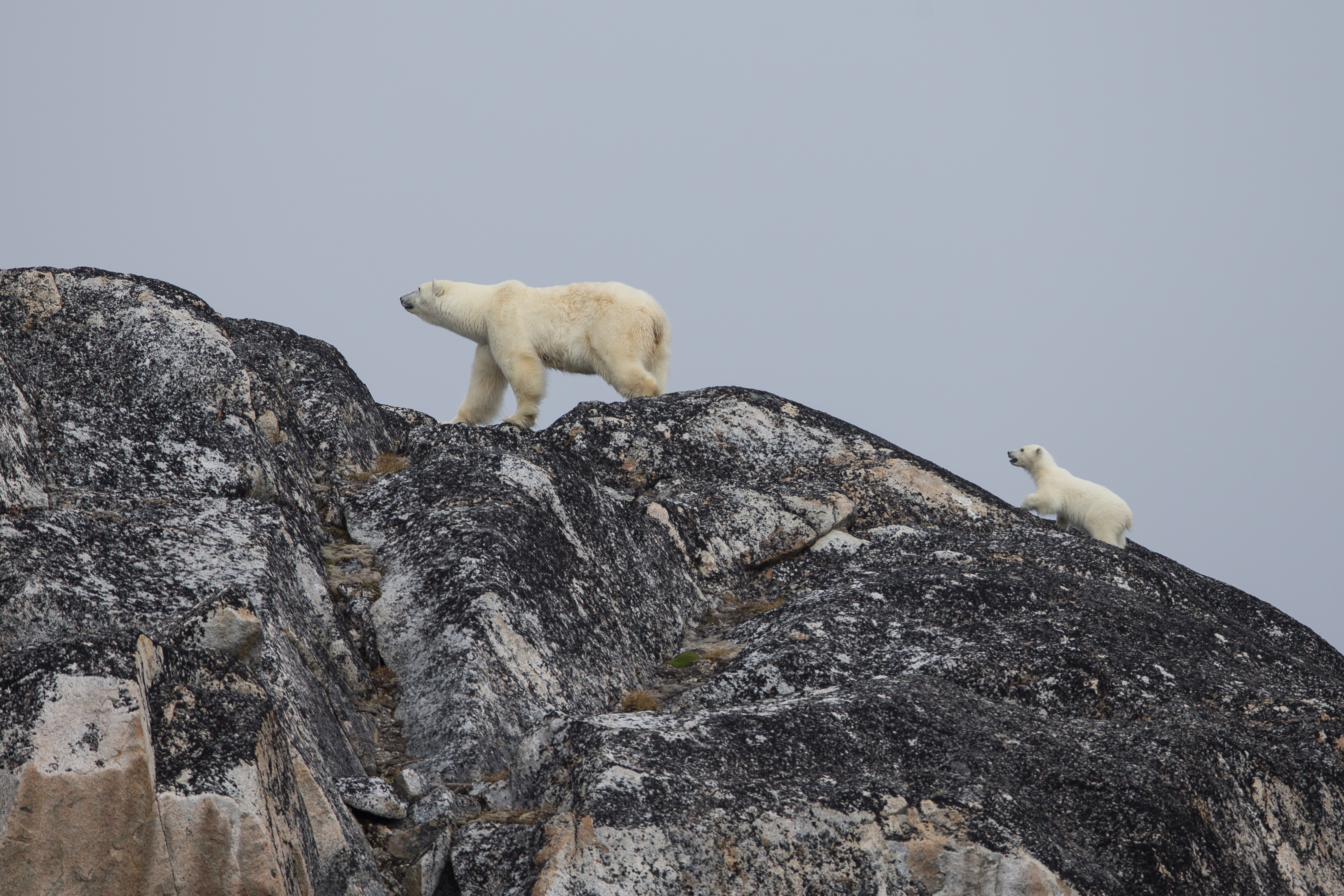 Meanwhile the crew prepare and launch the zodiacs so that we can board and go closer to these lovely creatures. We stopped sometime to admire them, shoot as many photos as possible. After a while the female and her baby decide to jump in the cold water, probably searching for something to eat for breakfast!!! What a lovely experience, we went back to our boat and our cabin but we could not go back to sleep because excited to see and share the photos we took of this lovely white creature!!!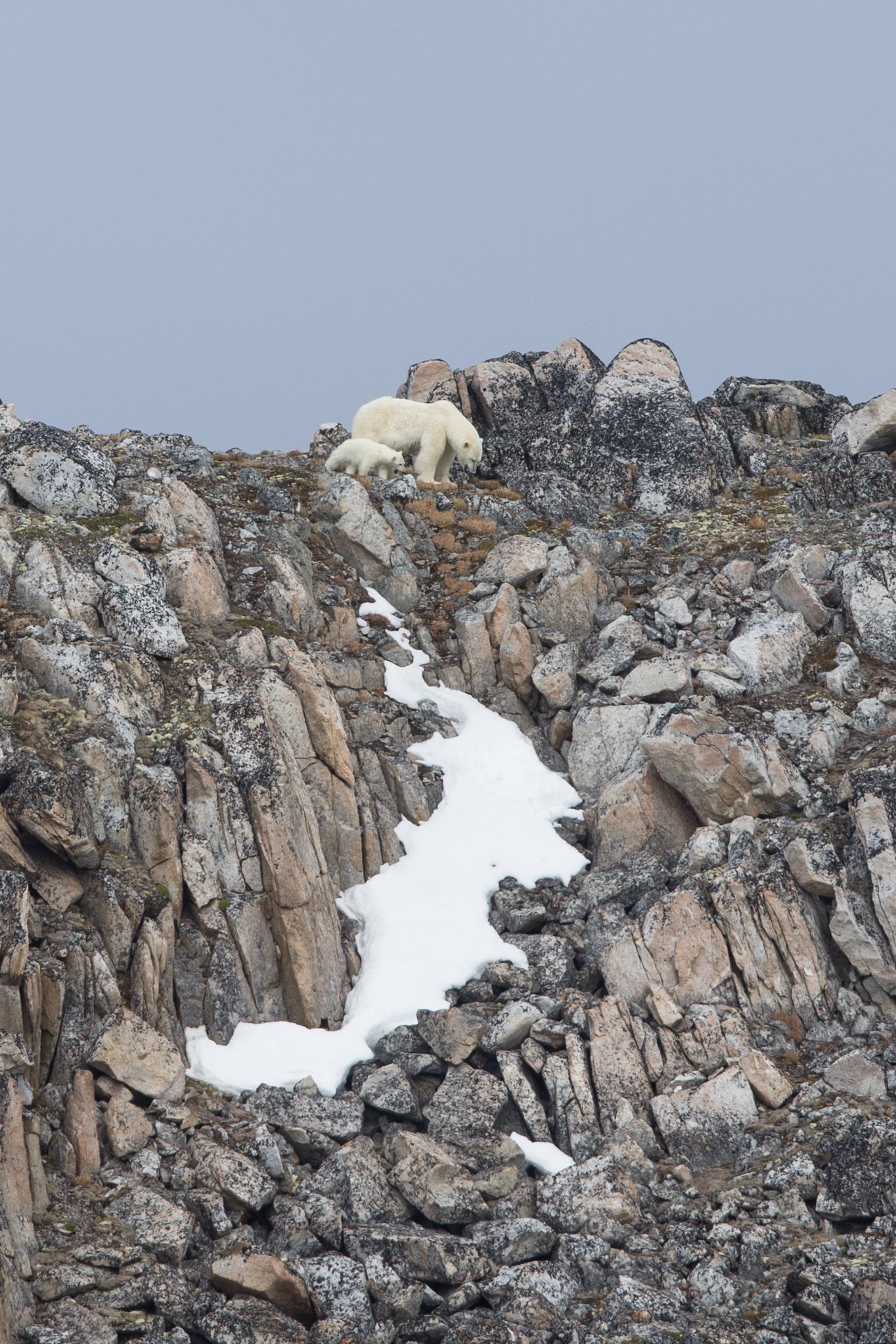

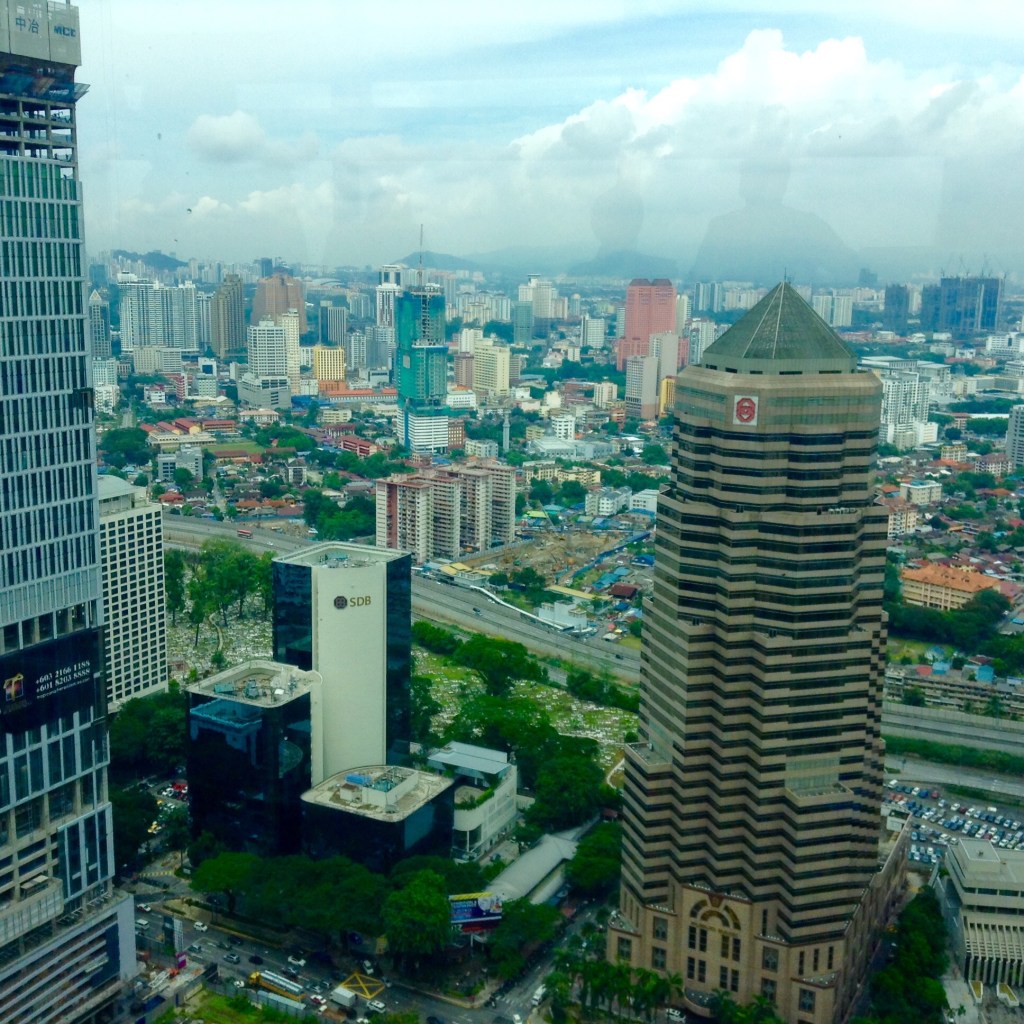
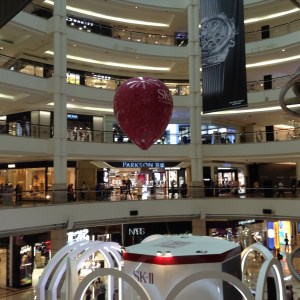
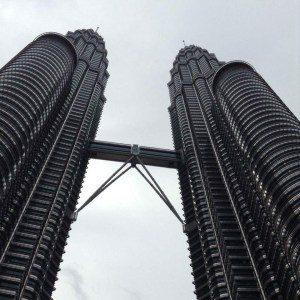
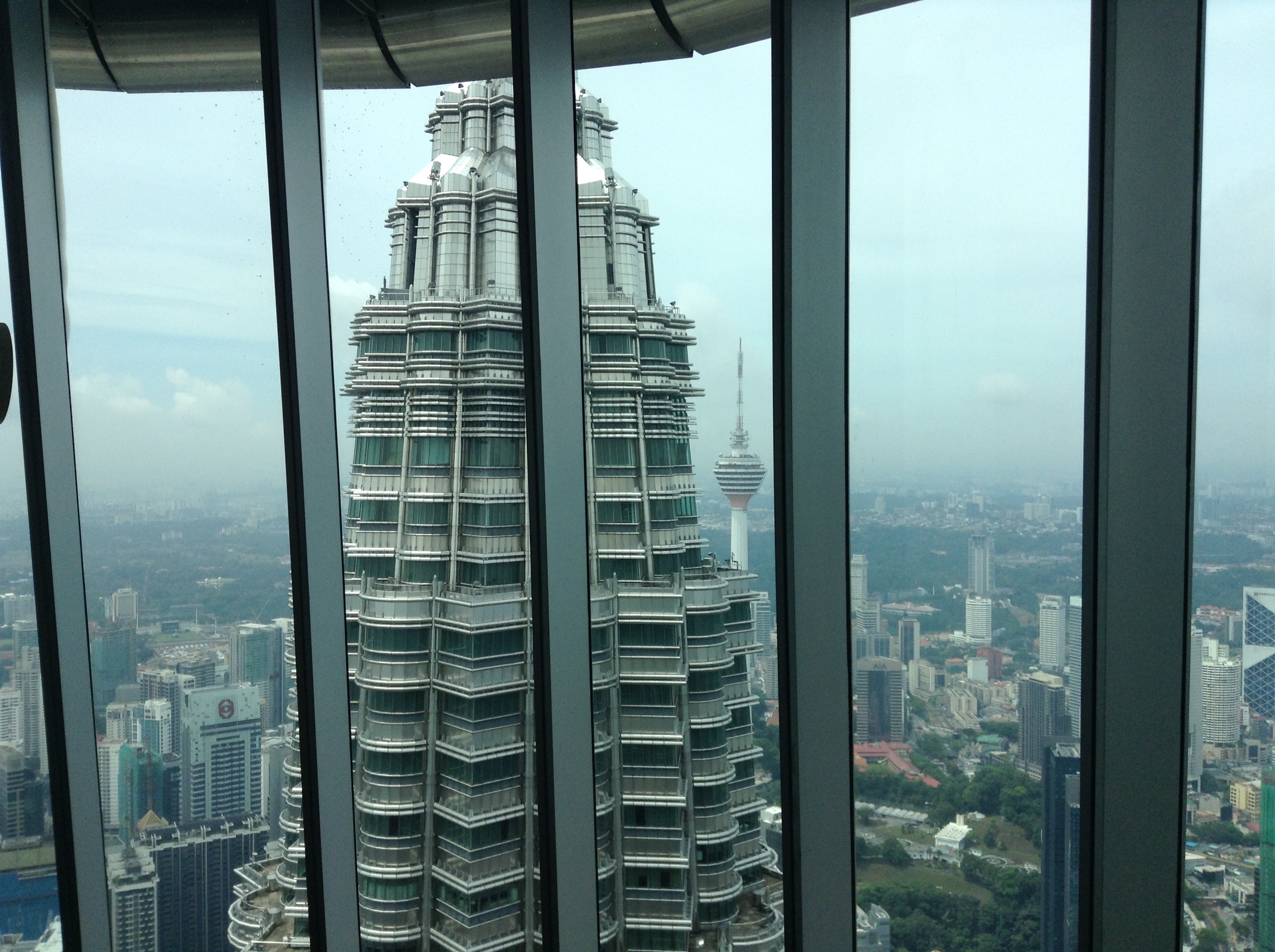
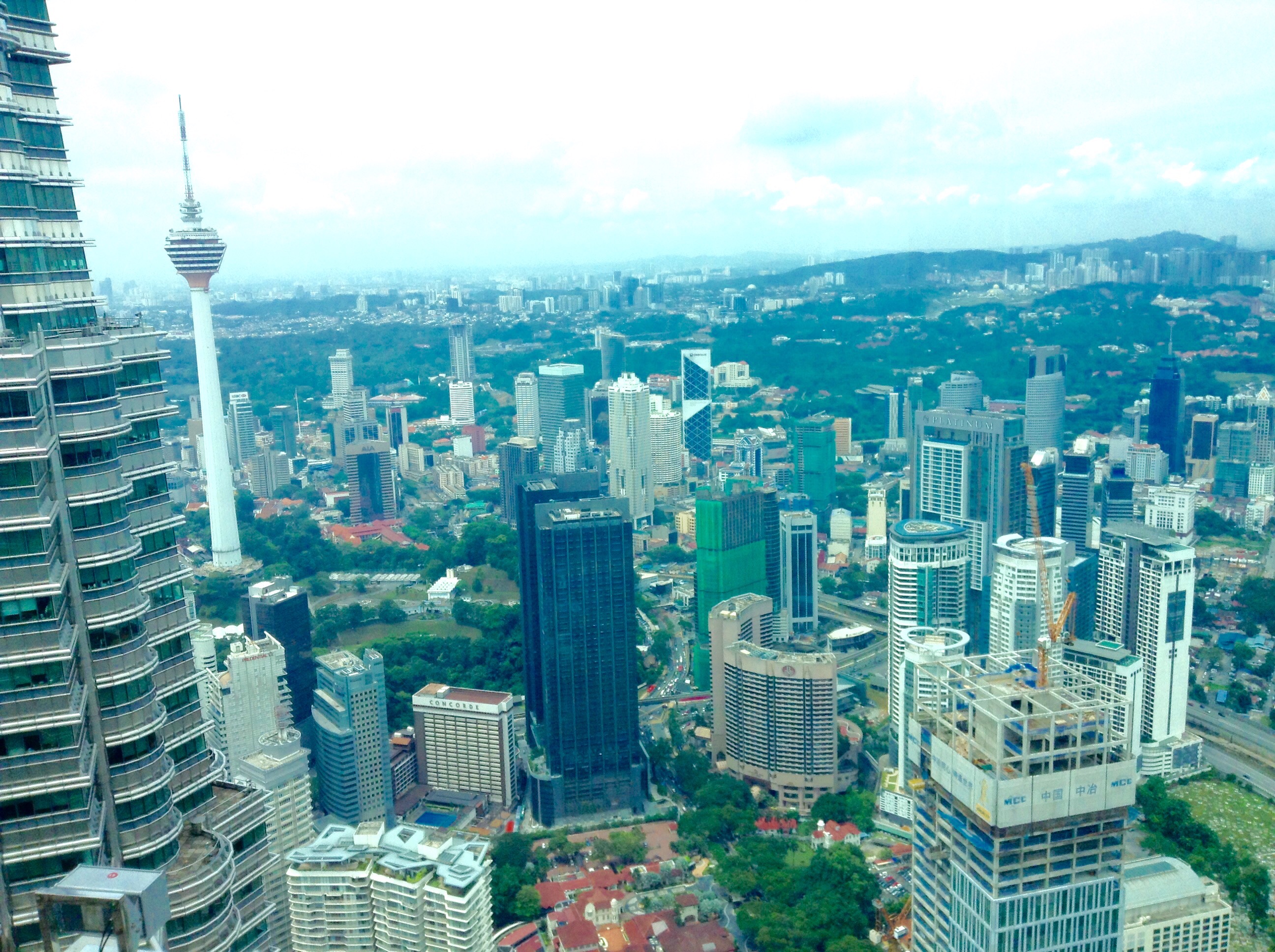
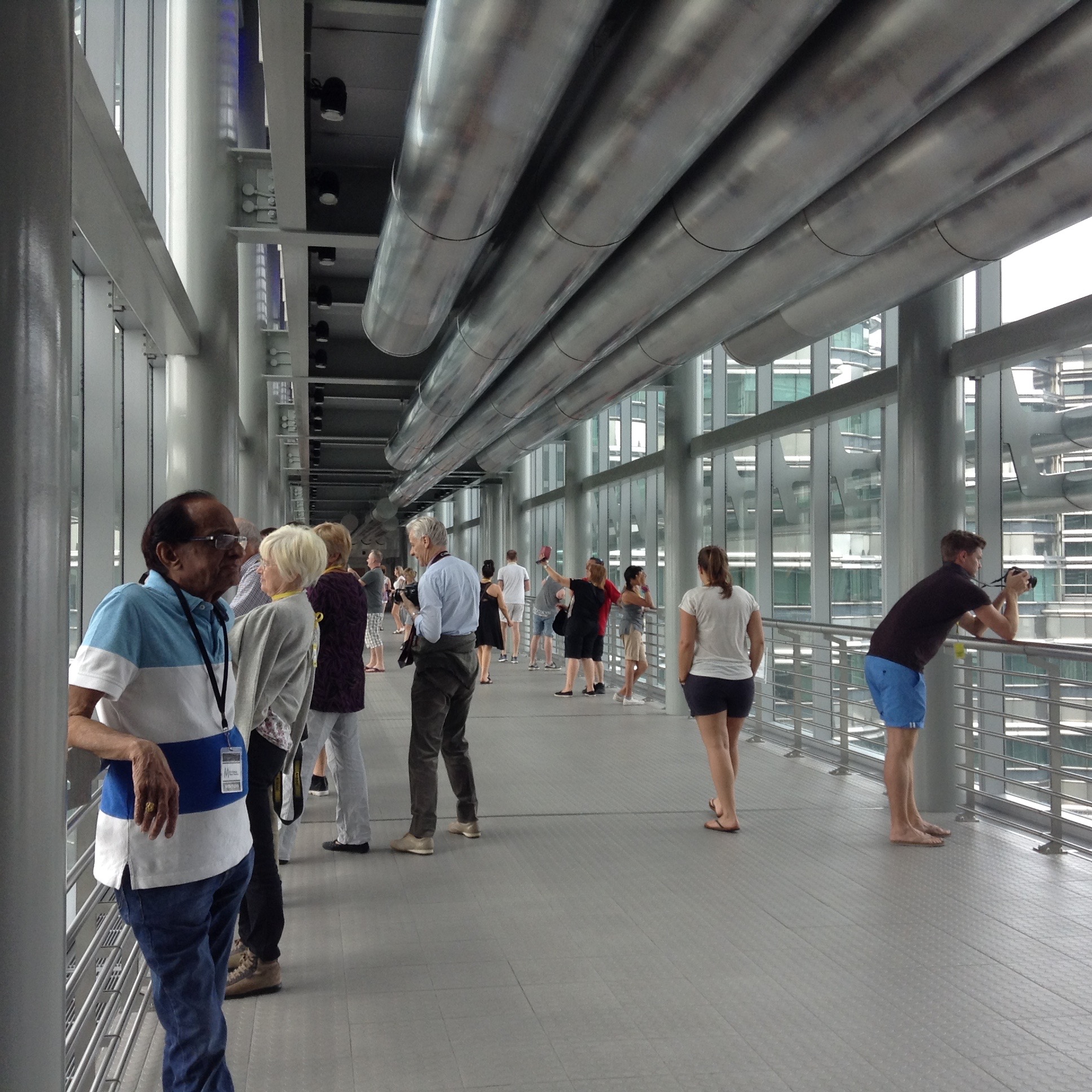
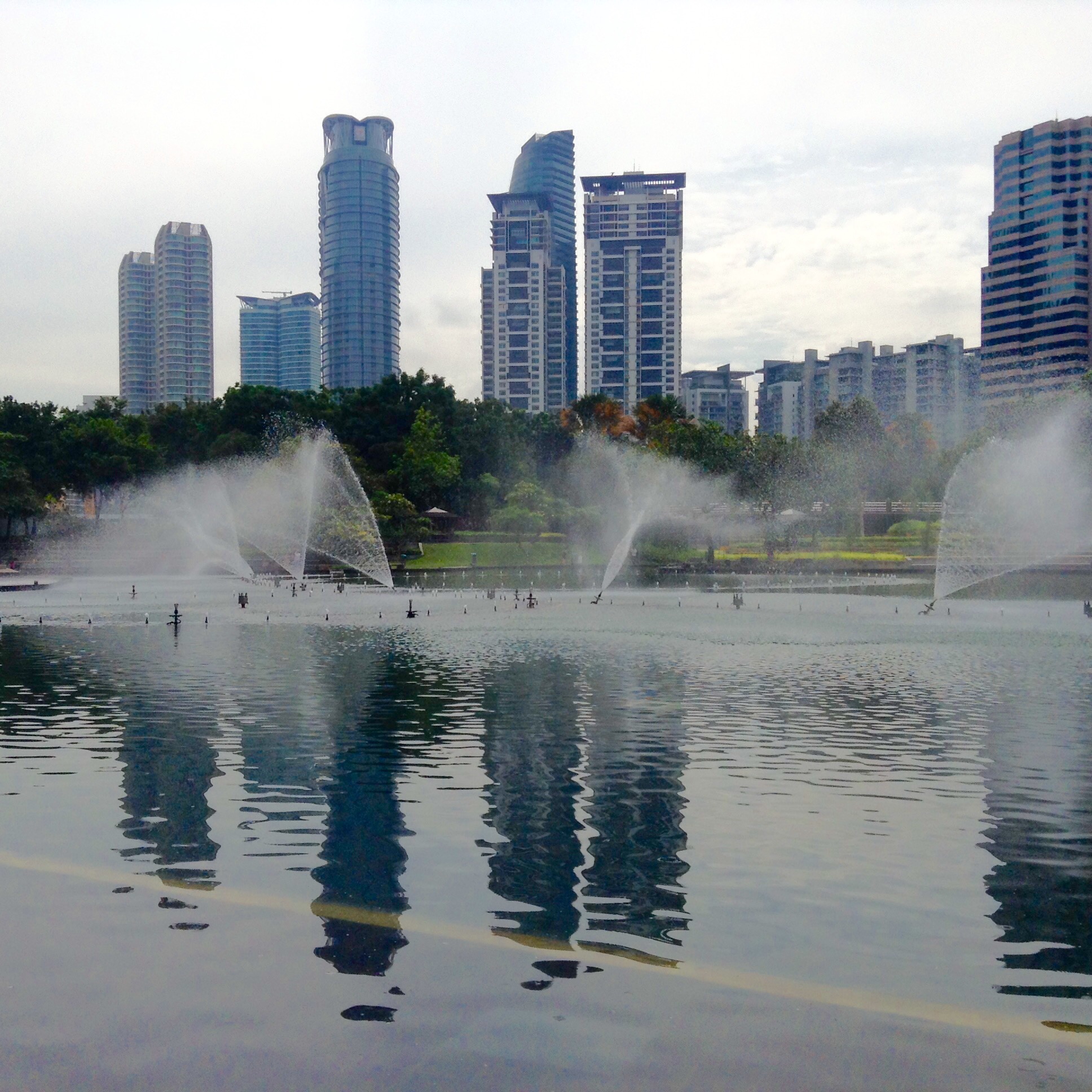
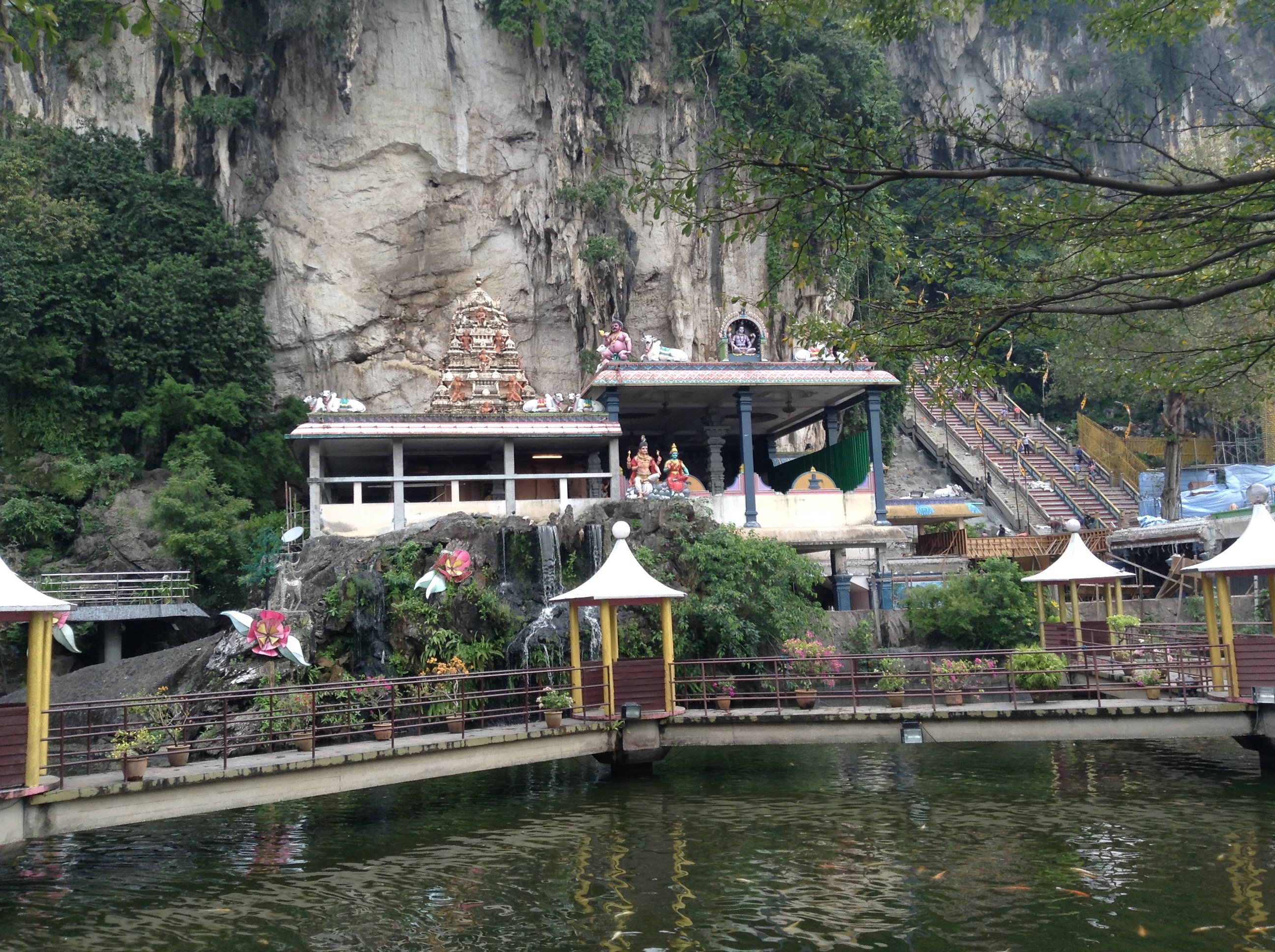
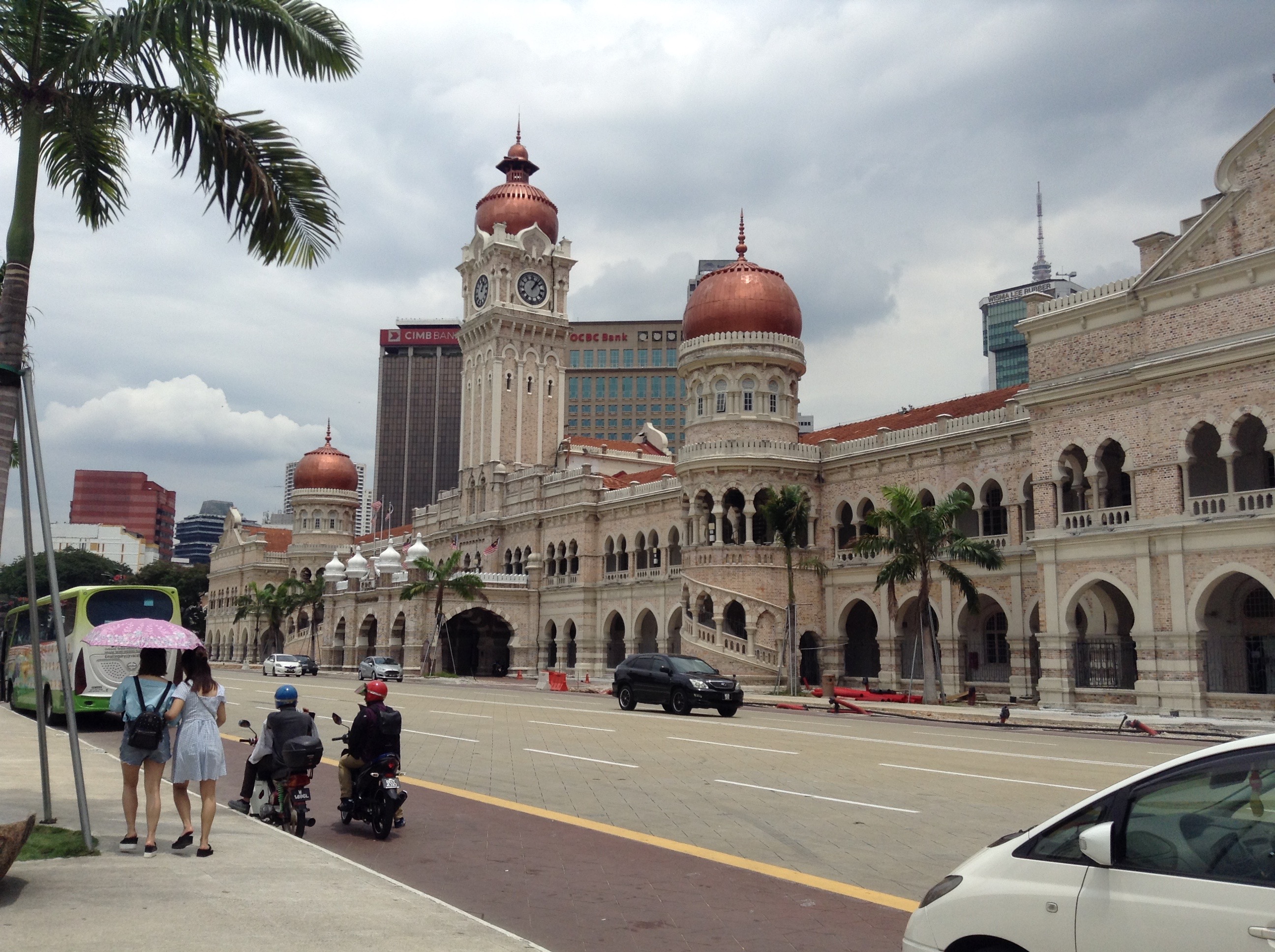
 When you talk about Malaysia, you think of Kuala Lumpur and when you think of Kuala Lumpur soon the Petronas Twin Towers come to your mind.




 Luciana Di Floriano